What Should I Not Miss At Tate Modern?
A practical guide to Tate Modern's unmissable artworks, the free collection, paid exhibitions, visit timing and how it compares with London's other big art museums.
 By James Whitfield, London Museums And Travel Writer
What Should I Not Miss At Tate Modern?
The unmissables at Tate Modern are the Turbine Hall commission on the ground floor, the free collection displays of Picasso, Rothko and Dalí in the Natalie Bell building, and the viewing level across the Thames toward St Paul's. Entry to the collection costs nothing, temporary exhibitions are paid separately, and most visitors need two to three hours for the highlights.
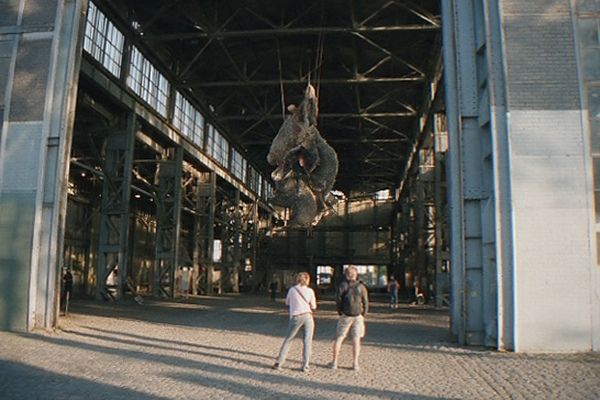
Tate Modern sits in the former Bankside Power Station on the south bank of the Thames, and the building itself is half the experience. The Turbine Hall, a vast industrial space that once held the power station's turbines, now hosts a single artist commission each year, and it is the first thing almost everyone sees. Beyond it, the collection displays spread across several floors of two connected buildings, the Natalie Bell building and the Blavatnik building, linked by the street-level and bridge-level crossings.
The gallery's collection is arranged by theme rather than by date, which is unusual and worth knowing before you arrive. Instead of one room of Cubism followed by one room of Surrealism, you get displays with titles that group works by idea, so a Picasso can hang beside a contemporary piece making a similar argument. This is why a little planning helps: the floors are large, the routes are not obvious, and a first-time visitor who just wanders tends to miss the rooms that made the gallery famous.
The power station conversion is itself a piece of the visit. The Swiss architects who reworked the building kept the brick shell, the tall chimney and the cathedral-scale interior, and the result is a gallery that feels closer to a landscape than to a traditional museum. The chimney has become one of the recognizable silhouettes on the river, and the building's history as an oil-fired power station, closed and derelict for years before its conversion, explains why the interior spaces are so dramatically oversized. Modern art benefits from that scale: installations that would feel cramped in a townhouse museum here get room to breathe.
Permanent collection entry is free, with no booking required, though temporary exhibitions are ticketed separately and timed entry applies to those. If you want the exhibitions or a guided visit without queueing, booking ahead is the sensible move.
What Is Actually Inside Tate Modern?
Inside Tate Modern you will find the free collection displays across the Natalie Bell and Blavatnik buildings, the annual Turbine Hall commission, the Tanks for film and live performance, temporary ticketed exhibitions, a viewing level, and several cafes and shops. The collection spans modern and contemporary art, including Picasso, Rothko, Dalí, Warhol and Bourgeois.
The single most famous object in the building is not a painting at all. Louise Bourgeois's spider sculpture, Maman, has appeared in the Turbine Hall and remains one of the works visitors ask for by name, and the hall itself changes completely with each annual commission, so what stands there now may be a sculpture, a sound piece or an intervention you can walk through. Check what the current commission is before you go, because it defines the first impression of the visit.
The collection displays hold the headline names. The Rothko room is the one people come back to: a dimly lit space hung with the Seagram murals, painted for a New York restaurant and never installed there, and given to the gallery after Rothko saw how the restaurant intended to display them. The Surrealist rooms bring together Dalí, Magritte and Picasso, including the celebrated Weeping Woman, which is one of the most photographed canvases in the building. Elsewhere you will find Warhol's pop works, Mondrian's geometric abstractions, and a strong strand of international artists whose names are less familiar but whose rooms are often the quiet highlights.
The Blavatnik building, the taller tower-like extension, holds more of the collection plus the Tanks: three huge circular spaces at the base of the old oil tanks, used for film, installation and live performance. These are easy to miss because they sit below the main entrance level, and they are worth seeking out precisely because most of the crowd does not. The top of the Blavatnik building has a viewing level with one of the better skyline views in central London, looking straight across the river at St Paul's Cathedral.
A few specific works deserve a place on any shortlist. Picasso's Weeping Woman, a small but ferocious canvas from his response to the bombing of a Basque town, is the painting most visitors arrive already knowing. Dalí's Metamorphosis of Narcissus sits nearby in the Surrealist displays, painted with the obsessive finish that made him famous. Mondrian's abstract grids give the modernist rooms their calm, and Warhol's screenprints bring the pop period into the same thematic conversations. The gallery also holds major works by Matisse, including his celebrated cut-outs, whose saturated blue figures are a reliable crowd-stopper, and by the German expressionists, whose raw colour looks startling even now.
Beyond the individual canvases, the thematic hang rewards a second pass. A display on abstraction might place a Mondrian beside a contemporary video piece; a display on the body might run from classical sculpture to performance documentation. Visitors who give the wall texts a few minutes, rather than hunting only for famous names, consistently report the better visits. The gallery is arguing that art history is a set of ongoing conversations, and the hang is the argument made visible.
If you are deciding whether the temporary exhibition is worth adding to a collection-only visit, the honest answer is that it depends entirely on the show. Retrospectives of household-name artists tend to justify the extra hour and the ticket, while narrower thematic shows suit visitors with an existing interest. The gallery's own site lists what is running, and the live listing shows what a booked ticket currently includes.
What Does The Tate Modern Ticket Cover?
Entry to Tate Modern's permanent collection is free and needs no ticket at all. What you pay for is the temporary exhibitions, which are ticketed with timed entry, and any guided tour or skip-the-line product sold through the operator's live listing. Children under 16 get concessions on exhibition tickets.
This distinction matters because a lot of confusion surrounds it. A visitor who only wants the Rothko room, the Surrealists and the Turbine Hall pays nothing and can walk in, though at peak times a free advance entry slot is recommended to skip queues. A visitor who wants the headline temporary exhibition, the gallery's biggest seasonal draw, needs a timed ticket for that specific show.
The paid exhibitions change through the year and are where the gallery spends its biggest marketing effort, so if there is a major retrospective running during your visit, decide before you arrive whether it is part of your plan. Booking ahead is genuinely useful here: timed slots for popular exhibitions on weekends go first, and the walk-up allocation can sell out entirely on busy days. The live listing shows current pricing and availability.
For families, note the child policy: under-16s get concessions or free entry to exhibitions depending on the show, so an adult ticket plus a child concession is the usual pattern. If your whole visit is collection-only, budget nothing beyond travel and lunch. That makes Tate Modern one of the better value family outings in a city where the big-ticket attractions can consume a day's budget before lunch, and it is a large part of why the gallery draws the crowds it does.
One more thing the ticket does not cover: the gallery's paid events programme, which includes talks, late openings and performance evenings in the Tanks. These are booked separately through the gallery itself and change constantly, so if a late-viewing evening falls during your trip, it can be a way to see the collection with far fewer people in the building.
How Long Should You Allow For A Visit?
Most visitors spend two to three hours at Tate Modern for the collection highlights, and three to four hours if adding a temporary exhibition. A focused highlights sweep of the Rothko room, the Surrealists, the Turbine Hall and the viewing level can be done in well under two hours, but the building rewards slow looking and the cafes are good.
The honest answer depends on your stamina more than your interest. The gallery is physically big, the floors are long, and the route between the two buildings involves lifts and stairs that add minutes you would not expect. People who plan a quick stop before lunch usually either leave frustrated or abandon lunch.
A practical split looks like this: give the Natalie Bell building's collection displays the largest block, because that is where the famous works cluster. Give the Turbine Hall ten minutes, longer if the current commission is one you can walk through. Give the Tanks fifteen minutes if performance or film appeals. Reserve the viewing level for the end, since it is the natural finish and the light over the river is better late in the day.
If you are combining Tate Modern with other Bankside sights, the gallery sits within a short riverside walk of the Golden Hinde and Shakespeare's Globe, and the walk across the Millennium Bridge to St Paul's takes about ten minutes at a stroll. Many visitors fold the gallery into a half-day on the South Bank rather than treating it as a standalone destination.
Fatigue is the hidden variable. Gallery fatigue, the point at which every new canvas looks like the last one, tends to set in somewhere past the two-hour mark for most people, and Tate Modern's scale accelerates it because the walking distances between rooms are long. The fix is to build in a sit-down: the main cafe overlooks the river, the espresso bar up in the collection floors is quieter, and ten minutes off your feet buys back a surprising amount of looking capacity. Visitors who pace themselves see more in three hours than visitors who sprint through in two.
Photography is another time factor. The collection displays generally allow photography without flash, and the Turbine Hall commission is one of the most photographed spaces in the city, which means you will be waiting for clear sightlines at the popular works. If photographs matter to you, the first hour after opening is when the famous rooms are emptiest and the light in the hall is at its best.
How Does Tate Modern Compare With London's Other Art Museums?
Tate Modern beats London's other art museums for modern and contemporary work, free collection entry and sheer architectural drama. The National Gallery covers older European painting, the Courtauld holds Impressionists in a smaller setting, and Moco Museum offers modern art as a compact, ticketed, Instagram-friendly experience.
The common mistake is treating them as substitutes. They are not: the National Gallery's collection of European painting ends roughly where Tate Modern's begins, so a visitor who loves the older masters at the National Gallery will find a different story at Tate Modern, and a visitor who loves Rothko will find nothing of him in Trafalgar Square. If your trip has room for one art museum and you care about modern art, Tate Modern is the pick. If you care about the Renaissance and the Dutch Golden Age, the National Gallery is, and the two pair neatly on separate days.
| Museum | Collection focus | Collection entry | Nearest area |
|---|---|---|---|
| Tate Modern | Modern and contemporary art | Free, no booking required | Bankside |
| National Gallery | Historic European painting | Free, booking may be needed at busy times | Trafalgar Square |
| Courtauld Gallery | Impressionist and Post-Impressionist | Ticketed, timed entry | Somerset House |
| Moco Museum | Modern and contemporary, compact | Ticketed, timed entry | Marble Arch |
| V&A | Design, decorative arts and sculpture | Free, no booking required | South Kensington |
For a wider view of the city's free options, the site's guide to free museums in London lists every collection that costs nothing, and the art museums in London guide compares the painting galleries in depth. This site, London Museums, exists largely because so many visitors assume everything in the capital is ticketed when twenty of the forty-eight museums listed here are free year-round.
The Courtauld Gallery deserves a mention for a specific type of visitor. Its Impressionist and Post-Impressionist holdings are concentrated, world-class and viewable in a compact visit at Somerset House, and it suits anyone who finds Tate Modern's scale exhausting. Moco Museum in Marble Arch fits a different niche again: a compact, ticketed display of modern and contemporary works with a distinctly social atmosphere, and a booked ticket covers its whole display. If your taste runs modern but you want something shorter than Tate Modern, that is the trade on offer.
The V&A rounds out the South Kensington cluster and is the closest thing Tate Modern has to a rival for free entry plus scale, though its focus is design and decorative arts rather than painting. A visitor trying to choose between the two should choose by subject: sculpture, fashion, ceramics and design point to the V&A, while painting, film and installation point back across the river to Bankside.
Practical Tips For Visiting Tate Modern
Arrive early or late afternoon to dodge the biggest crowds, enter via the Turbine Hall rather than the riverside doors, use the lifts in the Blavatnik building to start at the top and work down, and check the current Turbine Hall commission before you go. The gallery is open most Mondays, unlike many European museums.
Crowding is the one thing that genuinely degrades a Tate Modern visit, and it is predictable. Weekend middays are the worst, school holidays fill the Turbine Hall with children, which is a good thing for the children, less so for the Rothko room's hush, and rainy days push half of London indoors. The quiet, workable windows are weekday mornings within the first hour of opening, and weekday late afternoons, when the tour groups have peeled off.
Route-wise, the counterintuitive move is to start high. Most visitors enter, see the Turbine Hall, then drift upward floor by floor with tired legs by the end. Starting at the top of the collection displays and descending means you meet the famous rooms while fresh, and you finish in the hall where sitting down is actually possible.
Food and breaks are better here than at most big museums. The main cafe overlooks the river, there is a quieter espresso bar up in the collection floors, and the terrace seats fill on good-weather days. The shop is one of the better museum shops in the city for art books, if that matters to you.
Accessibility is good and worth knowing: step-free routes run through both buildings, lifts serve every floor, and the bridge-level link between the two buildings avoids the street entirely. Visitors with mobility constraints should still expect long walking distances inside, because the buildings are simply large, but nothing in the collection display requires stairs. The gallery also runs quiet sessions and relaxed viewing opportunities at certain times, which suit neurodivergent visitors and anyone who finds crowds difficult; check the gallery's own access pages for what is scheduled during your visit.
For visitors weaving the gallery into a bigger trip, the three day London museum itinerary slots Tate Modern into a South Bank day alongside the Globe and the river crossings, and the rainy day London museums guide is essentially a Tate Modern endorsement, since the whole building is indoors and the collection needs no ticket.
One more thing worth knowing that first-page search results rarely mention: the gallery's thematic hang means works move between rooms as displays rotate. A specific painting you saw on a previous visit may not be where you left it, and some works are periodically off display entirely. If there is one canvas you are travelling specifically to see, check the gallery's own collection pages for its current location before setting out.
Common Questions About Tate Modern
What should I not miss at Tate Modern?
The Turbine Hall commission, the Rothko room with the Seagram murals, the Surrealist displays including Dalí and Picasso's Weeping Woman, the Tanks in the Blavatnik building, and the viewing level across the Thames. Entry to the collection is free, and two to three hours covers the highlights.
Do I need tickets for Tate Modern?
No ticket is needed for the permanent collection, which is free to enter with no booking required. Temporary exhibitions are ticketed separately with timed entry, and booking ahead for those is recommended at weekends.
How long does a Tate Modern visit take?
Plan on two to three hours for the collection highlights and three to four hours if adding a temporary exhibition. A focused sweep of the most famous rooms can be done in well under two hours.
Is Tate Modern free?
Yes, entry to the permanent collection is free year-round, with no booking required. What still costs money are the temporary exhibitions, some events, food and the shop.
Which is better, Tate Modern or the National Gallery?
They cover different eras rather than competing. Tate Modern holds modern and contemporary art, while the National Gallery's European painting is the historic collection. Both collections are free to enter.
What is the Turbine Hall?
It is the vast ground-floor space of the former Bankside Power Station, five storeys tall, where Tate Modern commissions a single artist each year to build a large-scale installation. It is free to see and changes annually.