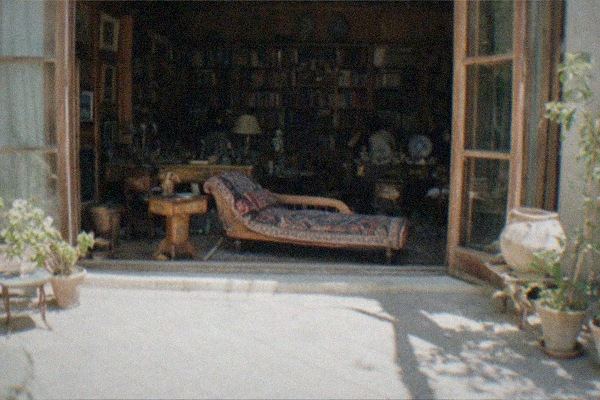
Freud Museum
Hampstead · Iconic psychoanalytic couch and Anna Freud's contributions.
Sigmund Freud's final home with study, couch, and antiquities collection.
from $20.18per person, live price on the listing Check availability →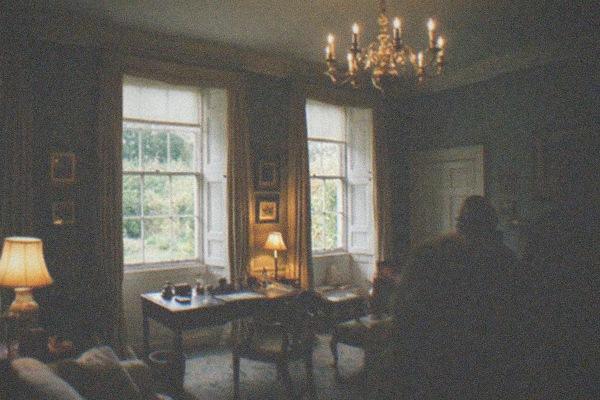
Where Keats wrote 'Ode to a Nightingale'.
Tickets sold at the door only, nothing to book ahead.
Visitor info →Opens the museum's own website. Tickets are sold at the door only.
Keats House is the Hampstead villa where the poet John Keats lived, loved and wrote, including 'Ode to a Nightingale'. It suits poetry readers, literary travellers and anyone who enjoys small historic houses with gardens. Small, quiet and rich in manuscripts.
Keats House is the rebuilt Hampstead home where John Keats lived from 1818 to 1820, and the place where he wrote 'Ode to a Nightingale'. Inside you find period rooms furnished as they would have looked in his day, manuscripts and first editions, personal items, and a garden with a plum tree said to sit beneath the one that inspired the poem.
The house itself is half the story. It began as a pair of semi-detached villas called Wentworth Place, built in 1815 and 1816, and Keats lodged in one half with his friend Charles Brown. The building was later merged into a single residence and is now a Grade I listed property, which tells you how seriously the fabric is taken. Walking through it gives you a sense of how a young poet of modest means actually lived: low ceilings, compact rooms, and a parlour that functioned as workspace, dining room and social hub all at once. The atmosphere is domestic rather than grand, which is precisely the point.
The collection includes original manuscripts, letters and books connected to Keats and his circle. Fanny Brawne, his neighbour and fiancée, lived next door, and the museum holds items relating to their engagement, including the ring he gave her. Exhibits trace his trajectory from apothecary's apprentice to the author of the great 1819 odes, and then the final chapter: his departure for Italy in 1820 in the hope that a warmer climate would save his life, and his death in Rome at twenty-five. The narrative the rooms tell is compact and poignant, and it rewards visitors who arrive knowing even a little of the biography.
The garden is not an afterthought. Keats wrote under a plum tree in the orchard, and the museum has replanted the area in keeping with the period. A mulberry tree reputed to date from the seventeenth century still stands. In good weather the garden alone justifies lingering, and it frames the nightingale poem better than any display case could. Sit on a bench for ten minutes with the poem in your head and the visit becomes something quite different from a standard house tour.
If you enjoy this kind of intimate literary home, the Freud Museum, also in north London, makes a strong companion: another small house preserved around the life and possessions of a single remarkable occupant. For something larger and statelier in the historic-house line, our Apsley House guide covers the Wellington residence at Hyde Park Corner.
Standard adult admission at Keats House is £10.30, set by the museum itself and not a Gift Aid figure. Children under 18, or children, are free or reduced. Entry is timed, advance booking is recommended, and there is no online ticket anywhere: you pay at the door. Check the current price on the museum's own site before visiting.
That last point deserves plain language because people routinely expect to buy ahead. There is no online ticket for Keats House, full stop. No third party sells one, and the museum does not sell one through its own website either. You turn up, you pay, you enter. The museum's own visitor page at the City of London Corporation, which runs the house, is the only source you should trust for the current price and any concessions, and it takes under a minute to check.
Booking a slot ahead is recommended, though it is not required. In practice this means you are admitted at a set slot rather than wandering in whenever you like, which allows the small rooms to stay breathable. If you arrive in the middle of a busy afternoon you may be given the next available slot, so build a little slack into your plans. Booking ahead, where the museum offers it, is described as recommended rather than compulsory, so a spontaneous visit is usually possible on a quiet day, but a summer weekend is a different proposition.
For context on value: £10.30 puts Keats House in the same band as most small London house museums, and noticeably below the big nationals that charge. What you get for it is a complete, focused experience in one of London's most pleasant neighbourhoods. Concession details for students, older visitors and groups change from time to time, so treat the table below as a snapshot and confirm anything that matters to your budget on the official site.
| Ticket Type | Price | Notes |
|---|---|---|
| Standard adult | £10.30 | Museum's own price, not a Gift Aid figure |
| Children (under 18s / children) | Free or reduced | Confirm the exact rate on the museum's site |
| Concessions and groups | on the museum's site | Rates vary, check before visiting |
| Online ticket | None exists | Pay at the door only, no reseller tickets |
One more practical note. Because there is no online sales route, do not search for Keats House tickets on a reseller or marketplace site. Anything advertised there is not an official product of the museum. The City of London page linked above is the single authoritative destination for prices, opening times and booking.
Allow one to two hours for Keats House itself, depending on how much you read, and add time for the garden if the weather cooperates. Weekday mornings are the quietest window. The house is small, so the difference between a rushed visit and a leisurely one is mostly about how long you spend with the manuscripts and the exhibits.
The interior can be seen thoroughly in about an hour if you move at a normal pace and read the room cards. Readers who linger over the letters and first editions, or who use any of the museum's interpretive material, will comfortably fill two. The garden adds fifteen to thirty minutes, more in spring when the plum and mulberry trees are doing their thing and the planting looks its best. If you plan to walk Hampstead afterwards, and you should, the house becomes the first leg of a longer outing rather than a destination on its own.
Timing matters more here than at larger museums because the rooms are compact and capacity per slot is limited. A weekday visit outside school holidays gives you the best chance of a quiet parlour and a garden bench to yourself. Summer weekends bring both the Keats audience and the general Hampstead crowd, and the Heath fills up quickly on fine days, so arrive early if that is when you are coming. Because slots are booked by time, an early one also protects the rest of your day from slipping.
Hampstead has a literary pull beyond Keats, which is worth knowing when you pick your day. The area attracted writers for two centuries, and the village still has the second-hand bookshops and lanes to prove it. A morning at Keats House followed by a walk across the Heath to Hampstead's cafés is a well-shaped day, and one you cannot compress into ninety minutes without losing something. Treat the house as the anchor, not the errand.
Keats House sits on Keats Grove in Hampstead, a short walk from Hampstead Underground station on the Northern line. Allow roughly ten minutes on foot from the station, partly uphill. Check the current opening hours on the museum's own site before you set out, and plan your arrival around the timed entry system.
The nearest station is Hampstead, at the top of the Northern line and one of the deepest on the network, so factor in a few minutes for the escalators and the walk. Buses serve Hampstead village from several directions, and the Overground at Hampstead Heath station is a reasonable alternative that drops you on the other side of the village. Drivers should know that Hampstead's streets are narrow, residents' parking schemes are everywhere, and the walk from any realistic parking spot will likely exceed the walk from the tube. Public transport is the sensible answer.
Accessibility at a Grade I listed Regency villa has natural limits, and the museum publishes its own access information, which you should consult directly for anything that affects your visit. The house has stairs between floors, as period buildings do, and the garden is reachable separately. If step-free access matters to you, contact the museum ahead of your visit through the official City of London page rather than assuming, because arrangements and facilities are best confirmed at source. Large bags are best left at home or kept small, as the rooms are tight and crowded displays and bulky rucksacks do not mix well; the museum's site states any current policy on bags and storage.
A few practical extras. Photography is generally fine in historic houses of this type but the museum's own rules govern, so glance at the official page. There is no need to dress up, but comfortable shoes matter, because Hampstead is hilly and you will want to walk afterwards. Timed entry means you should aim to arrive a few minutes before your slot rather than on it. And because payment is at the door, bring a card, though it is sensible to confirm accepted payment methods on the museum's site if you prefer cash for any reason.
| At A Glance | Detail |
|---|---|
| Location | Keats Grove, Hampstead, London |
| Nearest station | Hampstead (Northern line) |
| Opening hours | on the museum's site |
| Closed days | on the museum's site |
| How long to allow | 1 to 2 hours, plus garden time |
| Standard adult admission | £10.30 |
| Children | Free or reduced (under 18s) |
| Entry method | Timed entry, pay at the door |
| What is included | House, manuscripts and exhibits, garden |
The obvious pairing is Hampstead Heath itself, which starts minutes from the front door, plus Hampstead village for cafés and bookshops. Within walking distance you also find Burgh House, Kenwood House on the Heath, and the streets Keats himself walked. Allow at least half a day for the house plus the area.
Hampstead Heath is the big one. Parliament Hill, with its famous view over the London skyline, is a twenty to thirty minute walk from Keats House across the Heath's meadows and swimming ponds, and it is the natural way to end a visit. The ponds themselves are historic bathing spots, and the whole landscape is as close as central London gets to wilderness. Walking from the house to the Heath puts you in the same terrain that shaped the poems, and the plum-tree orchard Keats sat in was effectively part of this countryside. That continuity is something no other literary-house visit in London offers quite so directly.
Kenwood House sits at the northern edge of the Heath, a Robert Adam mansion with a fine art collection including Rembrandt and Vermeer, run by English Heritage and free to enter. It is a longer walk, closer to forty minutes, but it pairs well if you have the legs for it and want contrast between the modest poet's villa and the aristocratic estate. Burgh House, back in Hampstead village, is a small local-history museum and café a few minutes from Keats House, useful for lunch or a cup of tea between the two.
For visitors making a literary day of it across London, the Freud Museum in nearby Finchley makes an interesting second stop: the house where Freud spent his final years, preserved with his study and famous couch. It continues the theme of a home that is really a portrait of one mind. Alternatively, if grand houses are your interest and you are willing to travel to Hyde Park Corner, our page on Apsley House covers the Duke of Wellington's palace-like residence with its art and silver collections.
Closer to hand, Hampstead village rewards unhurried time. The High Street and Heath Street are lined with independent shops, pubs of considerable vintage, and cafés that get busy on weekends. Downstairs at the Flask, the Holly Bush and other locals' favourites have their own literary associations stretching back generations. Keats drank in Hampstead, walked its lanes nightly, and the village has not entirely forgotten him. Finish your visit the way he would have, on foot, and the day hangs together as one piece.
Keats House suits poetry readers, students of English literature, and anyone who likes small, atmospheric historic homes with a strong single story. It does not suit visitors expecting a large museum's range, interactive displays, or a full day's entertainment under one roof. Children of school age with any poetry in their lives often get more from it than adults expect.
Be honest about the scale. This is a small house with a handful of rooms, a modest gallery space and a garden. If your frame of reference is the British Library or the London museums with multiple floors, you will finish Keats House quickly. That is not a defect; it is what allows the place to stay intimate and quiet, and it is why the timed entry system exists. Visitors who enjoy the Freud Museum or similar single-subject houses will recognise the genre immediately and likely love it here.
The visit works best with a little preparation. Read the nightingale ode before you go, or at least skim the short tragic biography: apothecary's apprentice, orphaned young, tubercular brother nursed at home, the great creative year of 1819, the engagement to Fanny Brawne, the final journey to Rome. The house amplifies whatever you bring to it, and visitors who arrive empty often leave with the story anyway, but the ones who arrive with two or three poems in mind leave with something closer to pilgrimage.
For families, note that children under 18 get in free or at a reduced rate, which makes the house a low-risk outing for teenagers studying Romantic poetry at school. GCSE and A-level English students are an obvious fit. Very young children will find less to hold them, though the garden helps. For adults planning a London itinerary, the honest advice is this: pair Keats House with Hampstead and the Heath as a single half-day, and only commit to it if the poetry or the period genuinely interests you. If it does, few places in London deliver more feeling per square foot.
Standard adult admission is £10.30, which is the museum's own price and not a Gift Aid figure. Children under 18, or children, enter free or at a reduced rate. Concession and group rates vary, so check the current price on the museum's own site before you visit.
No. There is no online ticket for Keats House anywhere, and no reseller offers one. You pay at the door. If you see tickets advertised elsewhere, they are not an official product of the museum. The museum's own City of London visitor page is the only source you need.
Advance booking is recommended rather than compulsory. On quiet weekdays a spontaneous visit is usually possible, but summer weekends can fill up, so book ahead if your schedule is tight.
Allow one to two hours for the house itself, depending on how much you read in the manuscripts and exhibits, plus extra time for the garden in good weather. Most visitors combine it with a walk on Hampstead Heath, which starts minutes from the front door.
It is the Hampstead home where John Keats lived from 1818 to 1820, and it is known above all as the place where he wrote 'Ode to a Nightingale'. The house also holds manuscripts, letters and items connected to his engagement to Fanny Brawne, plus the garden with its historic trees.
Hampstead Underground station on the Northern line is the nearest, roughly ten minutes' walk away, partly uphill. Hampstead Heath Overground station is a workable alternative on the other side of the village. Driving is discouraged, as Hampstead parking is heavily restricted.
Under-18s or children enter free or at a reduced rate, so it is a low-cost outing for families. Teenagers studying Romantic poetry at school get the most from it. Very young children will find less to engage them, although the garden gives them somewhere to roam.
Hampstead Heath is the obvious pairing, including Parliament Hill and Kenwood House at the far end. In the village, Burgh House and the independent shops and pubs fill a lunch hour. The Freud Museum in Finchley is another single-figure house museum within reach.
Hampstead · Iconic psychoanalytic couch and Anna Freud's contributions.
Sigmund Freud's final home with study, couch, and antiquities collection.
from $20.18per person, live price on the listing Check availability →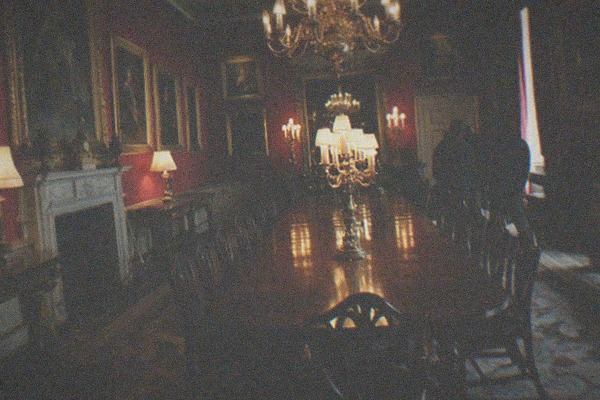
Hyde Park Corner · Wellington Museum; 'Number 1 London' with Waterloo Gallery.
Duke of Wellington's home with art collection including Velázquez and Goya.
from $16.13per person, live price on the listing Check availability →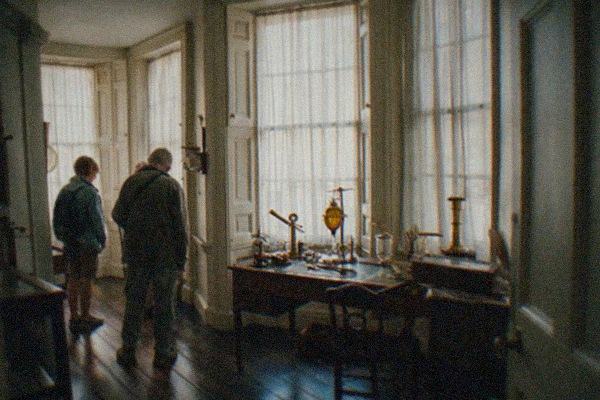
Charing Cross · Site of scientific experiments and diplomacy.
Franklin's only surviving London home with historical experiences.
Official tickets →