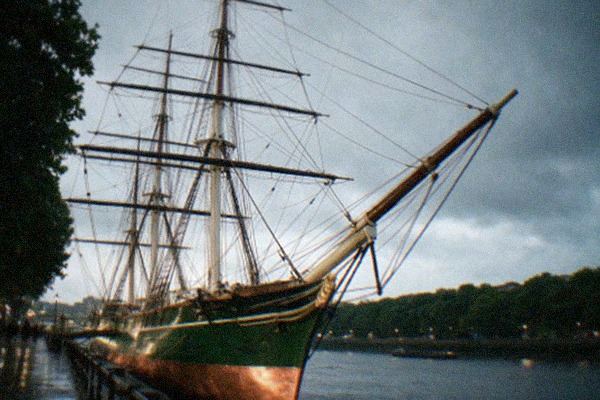
Cutty Sark
Greenwich, King William Walk · The ship itself with restored hull
Historic tea clipper ship preserved as a museum.
from $29.80per person, live price on the listing Check availability →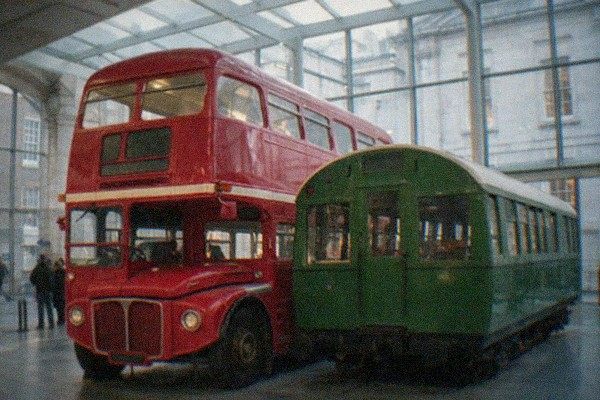
Vintage buses and Underground trains
from $36.60 per person, live price on the listing
Check Price & Availability →Opens the official listing with live dates and prices. Book there; nothing is charged on this site.
The London Transport Museum in Covent Garden traces the history of the capital's buses, Tubes and trams through full-size vintage vehicles and hands-on galleries. It suits families with children, transport enthusiasts and anyone curious about how London grew around its networks.
The museum's hallmark is its fleet of full-size vintage buses and Underground trains, housed in the former Flower Market building at Covent Garden Piazza. Visitors can climb aboard several of them, and the collection spans more than a century of London's public transport, from horse-drawn omnibuses to the modern network.
The building itself sets the tone. The museum occupies the wrought-iron and glass former Covent Garden flower market, an 1870s structure that floods the galleries with daylight and gives the vehicles room to breathe. The main hall is arranged as a sequence of platforms and walkways, so you move through the history of the network roughly in chronological order: horse-drawn days, steam on the Metropolitan, the arrival of electric Underground lines, then the twentieth century of buses, trams and trolleybuses.
Among the star exhibits are restored Underground carriages from the early decades of the twentieth century, a 1930s stock you can step inside, and a Routemaster bus, the red double-decker that most people picture when they think of London. There are also Tube trains from the 1938 and 1962 stock eras, locomotives from the Metropolitan line's steam years, and a genuinely old horse omnibus that shows what public transport looked like before mechanisation. Transport enthusiasts could spend most of a day here; casual visitors will still find the vehicles photogenic and the signage and livery oddly nostalgic.
The exhibits are not just hardware. The museum holds the poster and design collections that made London Transport famous, and it uses them to tell the story of how the network shaped the city: commuting, suburban growth, wartime, and the graphic design legacy of artists commissioned over the decades. For families, the interactive elements matter most. Children can play at driving simulations, climb into cabs, dress up, and follow activity trails. The ground floor's All Aboard family zone is aimed at under-sevens, which makes this one of the more forgiving major museums for younger children, many of whom are obsessed with buses and trains at exactly the age when rainy-day museum visits are hardest to sell to them.
Anyone expecting a transport enthusiast's archive in miniature will be surprised by the scale. This is a big museum in a busy tourist district, and the vehicles are the point: real, restored, and mostly walk-through.
Standard adult admission is £27, which buys an Unlimited Annual Pass giving 12 months of daytime entry from the date of first visit. Under 18s go free but need a free timed ticket. Timed entry is required for all visitors, so book a slot before arriving.
The annual pass structure is unusual and worth understanding before you buy. Unlike most London museums, this one charges admission but converts your ticket into a 12-month pass, so a repeat visit within the year costs nothing extra. The £27 figure is the museum's own standard price; an optional Gift Aid donation is offered at purchase, which is a separate choice. For anyone who lives in London or visits repeatedly, the pass changes the value calculation considerably. For a one-off tourist visit, it functions as a single-entry ticket with a bonus you may never use.
Timed entry means the museum controls how many people arrive in each window. Walk-up visits are possible in principle but risk a long wait or a sold-out slot in peak periods, so most visitors are better off reserving a time in advance. You can check the current price and available slots on the museum's own site, or use the booking panel on this page to secure a timed ticket before you travel.
| Ticket Type | Price | What It Includes |
|---|---|---|
| Adult (standard) | £27 | Unlimited Annual Pass, 12 months of daytime entry |
| Optional Gift Aid donation | Offered at purchase | Added to the standard price if you choose it |
| Children (under 18) | Free | Free timed ticket required |
| Concessions | on the museum's site | on the museum's site |
Planning several paid attractions on one London trip? It can help to read the ticket terms for each one before you commit, since refund and change policies vary widely. Our guide to Cutty Sark tickets covers another family favourite with a very different queue and entry setup, useful if you are weighing up where your sightseeing budget goes.
Allow roughly two to three hours for a full visit, longer if you are visiting with children who want to work through the interactive galleries. Weekday mornings are the quietest time; weekends, school holidays and wet days are the busiest. Because entry is timed, your start time is fixed but your exit is not.
The visit is sequenced from the top of the building down. Most people start upstairs with the Victorian and early Underground galleries and descend through the twentieth century to the main hall of buses and trains on the ground floor. That descent, with children, is where time evaporates: the climb-aboard vehicles, the driving simulators and the play zones each hold attention for far longer than the signage suggests. A transport enthusiast reading the design and poster displays should budget closer to half a day.
Timing matters more here than at most museums because of Covent Garden itself. The piazza outside is one of the busiest pedestrian spaces in London, and the surrounding streets fill with street performers and shoppers from late morning onward. Arriving for a morning slot means a calmer museum interior and a shorter walk from the station. Saturday afternoons and school holidays bring the biggest crowds; if your travel dates are flexible, a Tuesday or Wednesday morning is the sweet spot.
Weather is a factor in a different way than usual. This is one of the best rainy-day museums in central London, which is exactly why it heaves on wet days in summer and at half term. It is almost entirely indoors, warm and dry, and the layout absorbs crowds reasonably well. In the height of summer the tourist season adds pressure regardless of weather.
| At A Glance | Detail |
|---|---|
| Location | Covent Garden Piazza, Covent Garden |
| Nearest station | on the museum's site (Covent Garden Underground is the closest) |
| Opening hours | on the museum's site |
| Closed days | on the museum's site |
| Time to allow | Two to three hours, half a day for enthusiasts |
| Entry method | Timed ticket, required for all visitors |
| Included with entry | All galleries, vintage vehicles and interactive exhibits |
The museum sits on the Covent Garden Piazza, in the heart of the West End, with Covent Garden Underground station the closest rail link. Entry is by timed ticket. The building is step-free between floors via lift, and the Covent Garden area itself is largely pedestrianised.
Getting there is straightforward but has quirks. Covent Garden Underground station, on the Piccadilly line, is a very short walk from the piazza, but the station is famously congested at peak times and its lifts, rather than escalators, move passengers to the surface. On busy days, many locals prefer to walk to Leicester Square, Holborn or Charing Cross instead; each is ten minutes or so on foot. Check current station status and step-free information with Transport for London, which also runs the network the museum celebrates, a neat bit of symmetry.
The piazza is pedestrianised, so there is no parking at the door, and driving into central London means the Congestion Charge and the Ultra Low Emission Zone on top of traffic. Public transport is the sensible option and rather in the spirit of the visit. For exact opening hours and any closed days, check the museum's own site, which keeps the current schedule, since hours shift around Christmas and occasional private events.
Accessibility provision is good. The museum is fully wheelchair accessible, with lifts connecting all public floors and accessible toilets on site. The climb-aboard vehicles are a partial exception by their nature: some historic carriages have high steps and narrow doorways that limit wheelchair access to those specific exhibits. Assistance dogs are welcome. Bag rules are modest; the museum asks visitors to keep large luggage elsewhere since there is limited storage. Pushchairs are generally permitted, and the family zones are designed around them, though it is worth confirming current policy on the museum's site if you are bringing a pram on a crowded day.
Inside the building you will find a cafe and a shop. The shop is genuinely good for transport-themed gifts, reproductions of classic posters and children's books about buses. The cafe overlooks the piazza and gets busy at midday, so either arrive early or plan to eat elsewhere in Covent Garden, where options are plentiful if pricey.
The museum is inside Covent Garden, which is itself one of London's major attractions, with the piazza, street performers and the market halls on the doorstep. Within a fifteen minute walk you reach the West End theatres, Trafalgar Square and the Thames, making this museum an easy anchor for a full day in central London.
The most natural pairing costs nothing extra. The Covent Garden Piazza is a destination in its own right: the Apple Market stalls, the street performers who audition for their pitches, and the former market halls now filled with shops and restaurants. Give it half an hour before or after your timed slot, more if you have children, since the performers draw a crowd and the pedestrianised space is safe for letting them wander. From the piazza, it is a short walk east to the London Film Museum's corner of the area or south to the river at Waterloo Bridge.
The museum's location makes it a strong half of a sightseeing day. Trafalgar Square and the National Gallery are about ten minutes south on foot. Leicester Square and the theatre district sit just north. Cross Waterloo Bridge and the South Bank opens up, with its walkway along the Thames, the street food under the arches and the larger riverside attractions. None of this requires planning; the geometry of the West End does the work for you.
For visitors building a broader London itinerary, it pairs well with heritage attractions further afield. The Cutty Sark in Greenwich is a different kind of transport history, the fastest sailing ship of its era, and it sits beside the Royal Museums Greenwich cluster, which makes a satisfying second day for families who enjoyed the vehicles here. Greenwich also rewards the boat trip down the Thames to reach it, which extends the transport theme rather neatly. Closer to hand, the Theatre Royal Drury Lane is a couple of streets away, and Somerset House on the Strand is within easy reach for its exhibitions and courtyard.
One practical note on sequencing: because entry is timed, build your day around the slot rather than the district. Book a morning time, finish the museum by early afternoon, and let Covent Garden and the river absorb the rest of the day at whatever pace the weather and the crowds allow.
Standard adult admission is £27, which is the museum's own standard price and covers an Unlimited Annual Pass with 12 months of daytime entry. An optional Gift Aid donation is offered at purchase but is not required. You can check the current price on the museum's own site or book through the panel on this page.
Yes, under 18s enter free but require a free timed ticket. Because timed entry is required for all visitors, you should reserve slots for every member of your group, including children, rather than arriving without bookings.
Yes. Several of the vintage buses and Underground trains are climb-aboard exhibits, which is part of what the museum is known for. Some historic carriages have high steps and narrow doorways, so access to individual vehicles can be limited, but the museum itself is step-free with lifts between floors.
Allow two to three hours for a full visit. Families with children who want to work through the interactive galleries and driving simulations will need longer, and transport enthusiasts reading the poster and design collections could spend half a day.
The museum is on the Covent Garden Piazza in Covent Garden, at the former flower market building. Covent Garden Underground station on the Piccadilly line is the closest, though Leicester Square, Holborn and Charing Cross are all within about ten minutes on foot. The piazza itself is pedestrianised, so there is no parking at the door.
Opening hours and any closed days shift around Christmas and occasional events, so check the museum's own site for the current schedule before you travel. The museum is almost entirely indoors, which makes it a reliable rainy-day option in central London.
Yes. Adult admission converts into an Unlimited Annual Pass giving 12 months of daytime entry from the date of first visit. For London residents or repeat visitors this changes the value considerably; for a one-off tourist visit it simply works as a single-entry ticket.
Yes, the museum is fully wheelchair accessible, with lifts connecting all public floors and accessible toilets on site. Some of the historic vehicles themselves have steps and narrow doorways that limit direct access, but the galleries, cafe and shop are step-free. Assistance dogs are welcome.
Greenwich, King William Walk · The ship itself with restored hull
Historic tea clipper ship preserved as a museum.
from $29.80per person, live price on the listing Check availability →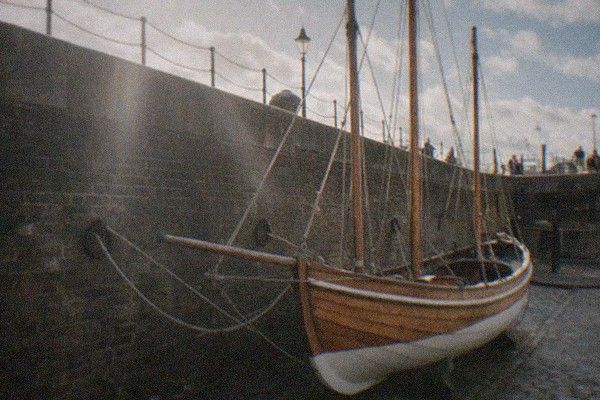
Southwark, Bankside · The ship replica itself
Full-size replica of Sir Francis Drake's galleon.
Official tickets →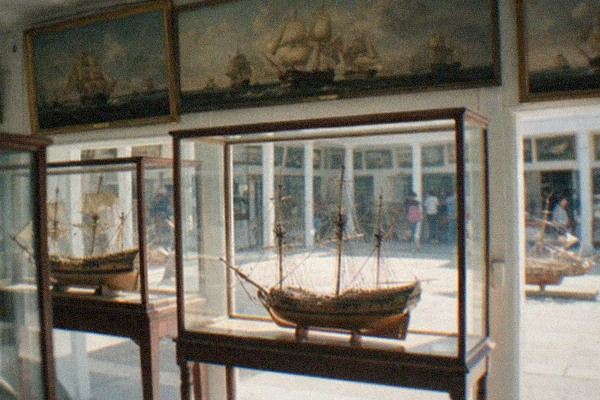
Greenwich, Romney Road · Ship models and maritime art
Britain's seafaring history, ships, and navigation.
Free entry, no ticket needed.