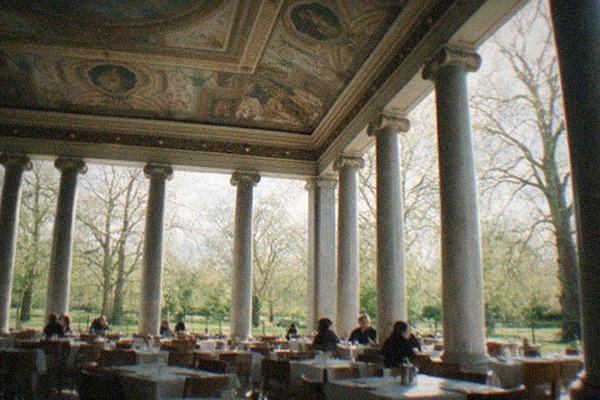
Painted Hall
Greenwich · Europe's finest Baroque interior.
Baroque masterpiece at Old Royal Naval College with ceiling murals.
from $23.71per person, live price on the listing Check availability →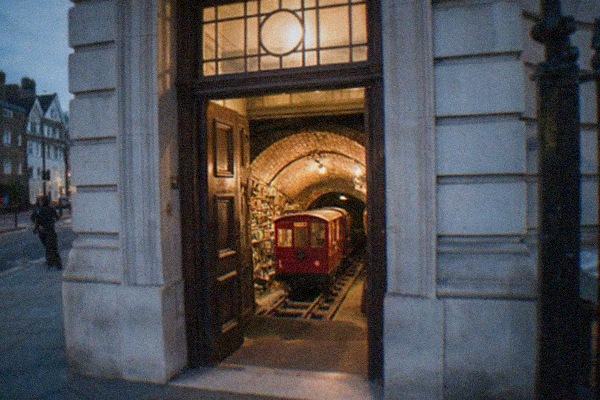
Mail Rail underground ride
from $27.77 per person, live price on the listing
Check Price & Availability →Opens the official listing with live dates and prices. Book there; nothing is charged on this site.
The Postal Museum in Bloomsbury tells the story of Britain's postal service, from the days when letters travelled by coach and ship to the era of sorting machines and strike-prone sorting offices. Its headline attraction is the Mail Rail, a working ride through the disused tunnels that once carried post beneath London. It suits families and anyone curious about hidden infrastructure.
The museum covers the history of the British postal service, and its centrepiece is the Mail Rail: a 15-minute ride on a small train through genuine underground tunnels that once carried millions of letters across London. Alongside the ride, there are two galleries of displays, plus a play area designed for younger children.
The Mail Rail is the reason most people book. Between 1927 and 2003, the Post Office ran a driverless electric railway beneath the streets of London, moving sacks of mail between sorting offices and mainline stations at depths of up to 21 metres. The network ran for about six miles and was invisible to almost everyone above ground. When the railway closed, the tunnels sat silent until the Postal Museum reopened a section of it to the public as a ride, with carriages adapted to carry visitors rather than letters.
The ride itself takes you down into the original station platforms at Mount Pleasant, where displays explain how the railway worked and who worked on it. The trains were driverless from the very beginning, controlled from a surface depot, which made the system a genuine engineering landmark of the interwar years. Along the tunnel route you pass through sections with sound and light installations telling the story of the people who maintained the line for three quarters of a century.
Back at ground level, the main exhibition space, Sorted!, presents the postal story chronologically. You begin with the days before adhesive stamps, when recipients paid for letters on delivery and postage was charged by distance and by sheet. A generous collection of artifacts covers the introduction of the Penny Black in 1840, the growth of the Post Office into a national institution, and the surprising variety of things that have travelled through the post over two centuries, from eggs to live bees. There are vintage uniforms, pillar boxes, sorting frames, and one of the museum's most striking exhibits, a 1930s mail coach alongside later motorised vehicles.
There is also The Post Office at War, a smaller gallery covering the service during the Blitz, including the story of postal workers who kept mail moving during the bombing of London. For families, the designated play zone lets children sort parcels and drive mini versions of the Mail Rail trains. Between the ride, the galleries, and the café, the museum is a genuinely half-day proposition rather than a quick stop.
If you enjoy museums about hidden engineering, the same instinct that draws people to the Painted Hall at /painted-hall-tickets/ will serve you here: both reward visitors who like the mechanics of the building as much as the displays inside.
Standard adult admission costs £18.50 booked online, or £19.50 on the day, and includes a one-year unlimited access pass plus one Mail Rail ride on your first visit. Children aged 2 to 15 cost £11 online, and under-2s enter free with a paying adult. Timed entry is required, so you choose a slot when you book.
The pricing model is unusual and worth understanding before you buy. Adult admission is not a single-visit ticket in the usual sense: it functions as an annual pass, letting you return as many times as you like over twelve months. The Mail Rail ride is included once, on your first visit, and if you come back during the year you can pay separately for another ride if you want one. For Londoners or anyone making repeat trips, this structure changes the maths considerably. For a one-off visitor, it is effectively a standard admission with a bonus attached.
Booking in advance saves money: the on-the-day price is £19.50 against the £18.50 online rate, and because entry is timed, walk-up availability on busy days is not assured. Weekend slots and school holiday slots go first, particularly for the Mail Rail, which has a fixed capacity per departure. Booking the first entry of the day is a reliable way to get a quieter ride.
For comparison, international booking platforms list the museum from $27.77 USD per person, and one major listing carries a rating of 4.6 across 477 reviews. The platform price is not the same thing as the museum's own GBP price, and it can move with exchange rates, so if you want the true figure, check the current price on the museum's own site. For reference, an adult ticket to the British Museum's paid special exhibitions can cost more than the Postal Museum's full annual pass, as covered on our /british-museum-tickets/ page, which is a useful benchmark when deciding how this museum fits a London budget.
| Ticket Type | Price | Notes |
|---|---|---|
| Adult (25+) online | £18.50 | Includes 1-year unlimited access + 1 Mail Rail ride on first visit |
| Adult on the day | £19.50 | Subject to timed-entry availability |
| Child (2 to 15) online | £11.00 | Timed entry required |
| Under 2 | Free | With a paying adult |
| Concessions, family tickets | on the museum's site | Check the current price on the museum's own site |
| Additional Mail Rail rides | on the museum's site | Priced separately after the first included ride |
The booking panel on this page shows live availability and the full range of options, which saves you hunting through the museum's own checkout for the slot you want.
Most visitors should allow around two to three hours to see the galleries and take the Mail Rail ride, longer if children are using the play zone or you plan to eat at the café. Weekday mornings are the quietest period. Weekends and school holidays are the busiest, and timed entry means those slots sell out in advance.
The two-part layout, with the main exhibitions on one side and the Mail Rail entrance a short walk away, means you will want to plan your arrival around your ride slot rather than the other way round. A sensible pattern is to book a mid-morning ride, spend the first hour in the galleries, then head underground, and finish with whatever you missed afterwards. The annual pass means there is no pressure to see everything in one visit, and many local families treat the museum as a repeat stop rather than a single outing.
Territorially, London school holidays compress demand into specific weeks. The February half-term, the Easter break, and the long summer holidays all push the Mail Rail to capacity, especially on rainy days when indoor attractions across the city fill up. If you are visiting during those windows, book the first slot of the day, both for quieter tunnels and for a calmer gallery experience before the midday crowds arrive.
For a quieter London trip overall, the first hour after opening on a Tuesday or Wednesday is a good time for this part of the city. The museum's Bloomsbury neighbours are busiest on weekends, so a weekday visit lets you combine the Postal Museum with a stroll through the squares without the crowds. Note that exact opening hours and closed days should be checked before travelling, as they are listed on the museum's own site and can shift seasonally and around bank holidays.
| At A Glance | Detail |
|---|---|
| Location | Bloomsbury, Phoenix Place, London |
| Coordinates | 51.52472, -0.114 |
| Opening hours | on the museum's site |
| How long to allow | 2 to 3 hours |
| Timed entry | Required, choose a slot when booking |
| Mail Rail ride | Included once with first adult visit |
| Nearest stations | Russell Square and King's Cross St Pancras area |
| Best for | Families, transport and social history fans |
| Official site | postalmuseum.org |
The museum sits at Phoenix Place in Bloomsbury, just south of King's Cross, with Russell Square the nearest Tube station. Timed entry means you should arrive shortly before your slot, not hours early. Children under 2 enter free with an adult, and advance booking saves money over the on-the-day price.
By Underground, Russell Square on the Piccadilly line is the most convenient stop, a short walk from the museum. King's Cross St Pancras, with its six lines and national rail connections, is also within walking distance, which makes the museum one of the easiest in London to reach if you are arriving into the capital by train from the north. Farringdon is another option, slightly further out but useful for Thameslink and Elizabeth line connections. Visitors with heavy luggage should note that the museum is compact and the underground ride has limited space, so large bags are best left at a station locker or your hotel.
The Mail Rail is reached by lift down to the original platform level, and step-free access to the main galleries is provided at street level. For the ride itself, accessibility provisions are in place but the historic carriages are small, so visitors with mobility needs should check the museum's accessibility guidance before booking a ride slot. The museum's own site carries the current details on accessible riding arrangements, and staff can advise when you arrive.
Photography is permitted in the galleries. The Mail Rail ride, with its low lighting and moving train, is harder to photograph well, so most people simply enjoy it. The on-site café serves the usual London museum fare and is a reasonable place to wait for your ride slot if you arrive early.
One practical note on timing: the museum recommends arriving about ten minutes before your booked slot, since the underground platforms run on a schedule. If you miss your slot entirely, the museum's policy on rebooking is set out on its own site, so it is worth a quick look if your plans are tight on the day.
The museum's Bloomsbury location puts it within easy reach of the British Museum, the Foundling Museum, and the wide open spaces of Russell Square itself. A full day works well: the Postal Museum in the morning, lunch in Bloomsbury, and a major collection in the afternoon, with most attractions walkable from King's Cross and Russell Square stations.
The British Museum is the obvious pairing, roughly a fifteen minute walk away, and its permanent collection is free to enter, which makes it a natural budget-friendly companion to the Postal Museum's paid entry. Our /british-museum-tickets/ page covers what is free, what costs money for special exhibitions, and how to plan a visit around the quieter galleries. If you are travelling with children, the postal theme pairs nicely with the British Museum's ancient writing displays, from cuneiform tablets to Roman letters, and drawing that thread between the two visits works well for curious kids.
Also in Bloomsbury is the Foundling Museum, which tells the story of London's first home for abandoned children and sits on Brunswick Square near Coram's Fields, one of the best free playgrounds in central London. Dickens Museum is a few minutes further, in the house where the author lived while writing some of his most famous works, and his career as a journalist covered the very postal reforms the Postal Museum celebrates.
For a different pairing, the /apsley-house-tickets/ page covers the Wellington museum at Hyde Park Corner, a short Tube ride west, which suits visitors building a day around grand interiors rather than hidden tunnels. If you have already done the big names, the /painted-hall-tickets/ page covers another of London's spectacular interiors, downriver in Greenwich, which pairs well if you are planning a full day in that direction.
Closer to hand, St Pancras Old Church and the atmospheric graveyards around it are a quiet five minute detour, and Granary Square and Coal Drops Yard at King's Cross offer plenty of eating options, fountains children adore, and the canal-side walk toward Camden. On a warm afternoon, the towpath from King's Cross to Camden Lock Market is one of the nicest free walks in the area.
Standard adult admission booked online is £18.50, rising to £19.50 on the day. Children aged 2 to 15 cost £11 online, and under-2s enter free with a paying adult. The online price includes one-year unlimited access plus one Mail Rail ride on your first visit.
Yes. Adult admission includes one Mail Rail ride on your first visit, along with one year of unlimited access to the museum. If you return during the year and want to ride again, additional rides are priced separately, and the current price is on the museum's own site.
Timed entry is required, so you choose a slot when you book, and booking ahead saves money since the on-the-day adult price is £19.50 against £18.50 online. Weekend and school holiday slots for the Mail Rail sell out in advance because the ride has fixed capacity.
Plan for two to three hours to cover the galleries and take the Mail Rail ride, longer if children are using the play zone or you are eating at the café. Arriving about ten minutes before your booked ride slot is recommended.
It is at Phoenix Place in Bloomsbury, at coordinates 51.52472, -0.114. Russell Square on the Piccadilly line is the nearest Tube station, and King's Cross St Pancras is a short walk away, which makes the museum easy to reach by national rail and Thameslink.
Yes, it is one of London's more family-friendly museums. Children aged 2 to 15 pay £11 online, under-2s are free, and there is a dedicated play zone where children can sort parcels and drive mini Mail Rail trains, alongside the underground ride itself.
It is a working ride through the original tunnels of the Post Office's driverless underground railway, which carried mail beneath London from 1927 until 2003. The museum reopened a section of the line, and visitors now ride adapted carriages through the historic stations.
The British Museum is roughly a fifteen minute walk away and its permanent collection is free. The Foundling Museum, the Dickens Museum, Granary Square at King's Cross, and the canal towpath toward Camden are all close by, so a full Bloomsbury day is easy to build.
Greenwich · Europe's finest Baroque interior.
Baroque masterpiece at Old Royal Naval College with ceiling murals.
from $23.71per person, live price on the listing Check availability →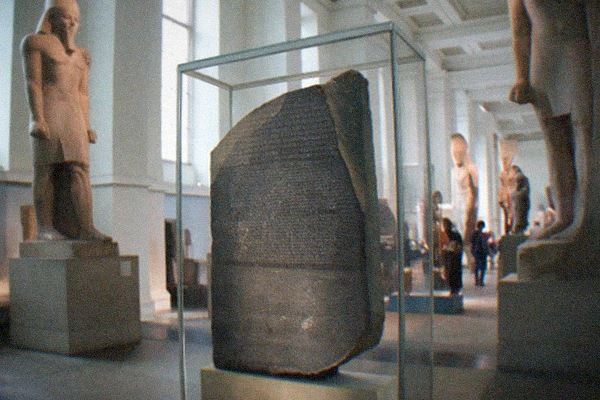
Bloomsbury, Great Russell Street · Rosetta Stone in the Egyptian Sculpture Gallery
World-renowned collection of human history and culture spanning two million years.
Free entry, no ticket needed.
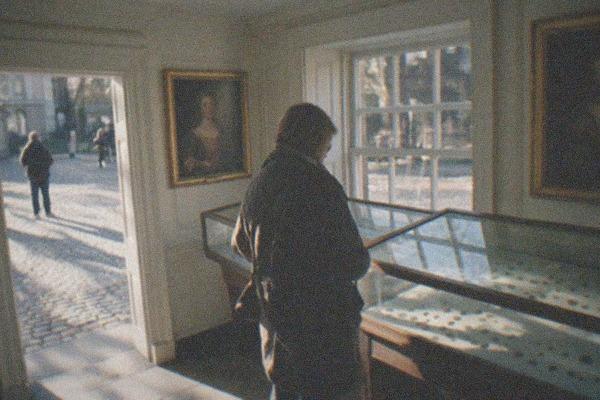
Bloomsbury, Brunswick Square · Artefacts and art from the Foundling Hospital
History of the Foundling Hospital and children's welfare.
Official tickets →