London Attraction Pass Compared: When A Pass Beats Paying At The Door
London is an unusual city for attraction passes, because twenty of its forty-eight great museums cost nothing to enter. This guide compares the passes against each other and against the door, using real standard admission prices.
 By James Whitfield, London Museums And Travel Writer

Short answer
A London attraction pass only beats the door on a dense, paid-attraction itinerary. Twenty of the forty-eight museums on this site are free year-round, so many visitors never spend enough at ticketed venues to break even. A palace-heavy trip, Hampton Court at 29 pounds, Windsor at 32 pounds and the Tower at 37 pounds, is the kind of dense paid list where a pass earns comparison.
London breaks the usual city-pass arithmetic. In most capitals the question is simply which pass to buy, because everything costs money. Here, twenty of the forty-eight museums covered by London Museums charge nothing at all: the British Museum, the National Gallery, Tate Modern, the V&A, the Science Museum, the Natural History Museum and more are free to enter year-round. That makes the honest comparison a three-way one, pass against pass against simply paying at the door, and the door option is stronger in London than almost anywhere else.
What Is A London Attraction Pass And Who Sells One?
An attraction pass is a single prepaid ticket that bundles multiple paid venues into one price, valid for a fixed number of days, and in London the main choice is a multi-attraction city pass covering dozens of sites, weighed against smaller palace-specific options and plain advance tickets. The category only matters for venues that charge. Free museums never appear in the saving, because there is nothing to save.
The dominant product is The London Pass, a multi-day pass sold by a commercial operator covering a long list of paid attractions. Its inclusion list and price change through the year, so treat any third-party summary of what it covers as out of date and check the operator's own current list before buying. That is not a hedge, it is the practical reality of a product whose value depends entirely on which venues are on it the week you travel.
The second category is smaller and easy to overlook: single-venue advance tickets. Every paid palace and most paid museums in London sell their own timed-entry ticket, and a booking platform's from-price is often close to the door price. The third category is membership of the heritage bodies that run the palaces, which suits repeat visitors and suits almost nobody on a first three-day trip.
If you are weighing the big pass on its own terms, the site's dedicated breakdown in is the London Pass worth it works through the break-even math in detail. This guide does something different: it puts every option, including doing nothing and paying at the door, on the same table.
Which Attractions Can A Pass Actually Cover?
A pass only ever covers venues that charge admission, and in London that means the royal palaces, a handful of specialist museums and the commercial attractions. The free national collections are invisible to the calculation. So the real question is not what a pass covers, but whether your itinerary is heavy enough in the paid venues it lists.
The paid tier of London museum-going is smaller than visitors expect. The headline names are the Tower of London at 37 pounds standard adult admission, Windsor Castle at 32 pounds, the Churchill War Rooms at 34 pounds, Hampton Court Palace at 29 pounds, Kensington Palace at 24.7 pounds and the London Transport Museum at 27 pounds. Below them sit the Royal Observatory at 24 pounds, Cutty Sark at 22 pounds, Madame Tussauds at 27 pounds and the Sherlock Holmes Museum at 19 pounds. Those ten venues are the entire battlefield a pass has to win.
The free tier is far bigger and far better than in comparable cities. The British Museum, National Gallery, Tate Modern, Tate Britain, the V&A, Science Museum, Natural History Museum, Imperial War Museum, National Maritime Museum, Queen's House, Wallace Collection, Sir John Soane's Museum, Design Museum, Horniman Museum, Kenwood House, Museum of London Docklands, Bank of England Museum, Hunterian Museum, RAF Museum and the National Portrait Gallery all cost nothing to enter, though most still charge for their big temporary exhibitions. A visitor who builds a trip around that list spends nothing on museum admission at all.
| Ticket type | What it is | Best for | What to check before buying |
|---|---|---|---|
| Multi-attraction city pass | One prepaid pass, fixed day count, long venue list | Dense itineraries of paid venues only | Current inclusion list and current price on the operator's site |
| Single-venue advance ticket | The venue's own timed-entry ticket | One or two must-see paid sites | Whether the venue requires timed entry, most do |
| Heritage membership | Annual pass from the body running several palaces | Repeat visits within a year | Which palaces the body actually runs |
| Pay at the door | Standard admission bought on the day | Flexible, free-museum-heavy trips | Peak-day availability, some venues sell out |
| Free museum entry | No ticket at all, permanent collections | Most of London's best museums | Exhibition and event charges still apply |
One structural point matters more than any individual price. Hampton Court Palace and Kensington Palace are run by Historic Royal Palaces, while Windsor Castle is run by the Royal Collection Trust on the Queen's behalf, and the Royal Observatory sits inside Royal Museums Greenwich. These bodies sell their own tickets and their own memberships, so a city pass is always reselling somebody else's inventory, and the venue's own door price is the number every comparison has to beat.
How Do Pass Costs Compare With Paying At The Door?
The only honest benchmark is the sum of the standard adult door prices of the paid venues you would genuinely visit, and in London that sum is often smaller than people assume, because the free museums soak up half of most itineraries. A pass wins only when your paid list is long and dense. The door prices below are the museums' own standard adult rates, not the higher Gift Aid rates displayed beside them.
UK charity venues show two prices at the counter: a standard price and a higher Gift Aid price that includes a voluntary donation. Every figure in this guide is the standard price. If a pass comparison you read elsewhere quotes the Gift Aid figure as the door price, it has inflated the saving before the arithmetic even starts.
| Paid venue | Standard adult door price | Child price | Timed entry |
|---|---|---|---|
| Tower of London | 37 pounds | 5-15: 18.50 pounds, under 5 free | Yes |
| Churchill War Rooms | 34 pounds | 5-15: 17 pounds, under 5 free | Yes |
| Windsor Castle | 32 pounds | 5-17: 16 pounds advance, 18 pounds on the day | Yes |
| Hampton Court Palace | 29 pounds | 5-15: 14.50 pounds off-peak, 16 pounds peak | Yes |
| London Transport Museum | 27 pounds | Under 18s free with a timed ticket | Yes |
| Madame Tussauds | 27 pounds | Discounted, details on the listing | Yes |
| Kensington Palace | 24.7 pounds | 5-15: 12.40 pounds, under 5 free | Yes |
| Royal Observatory | 24 pounds | 4-15: 12 pounds, under 4 free | Yes |
| Cutty Sark | 22 pounds | 4-15: 11 pounds, under 4 free | Yes |
| Sherlock Holmes Museum | 19 pounds | Under 16: 14 pounds, under 6 free | Yes |
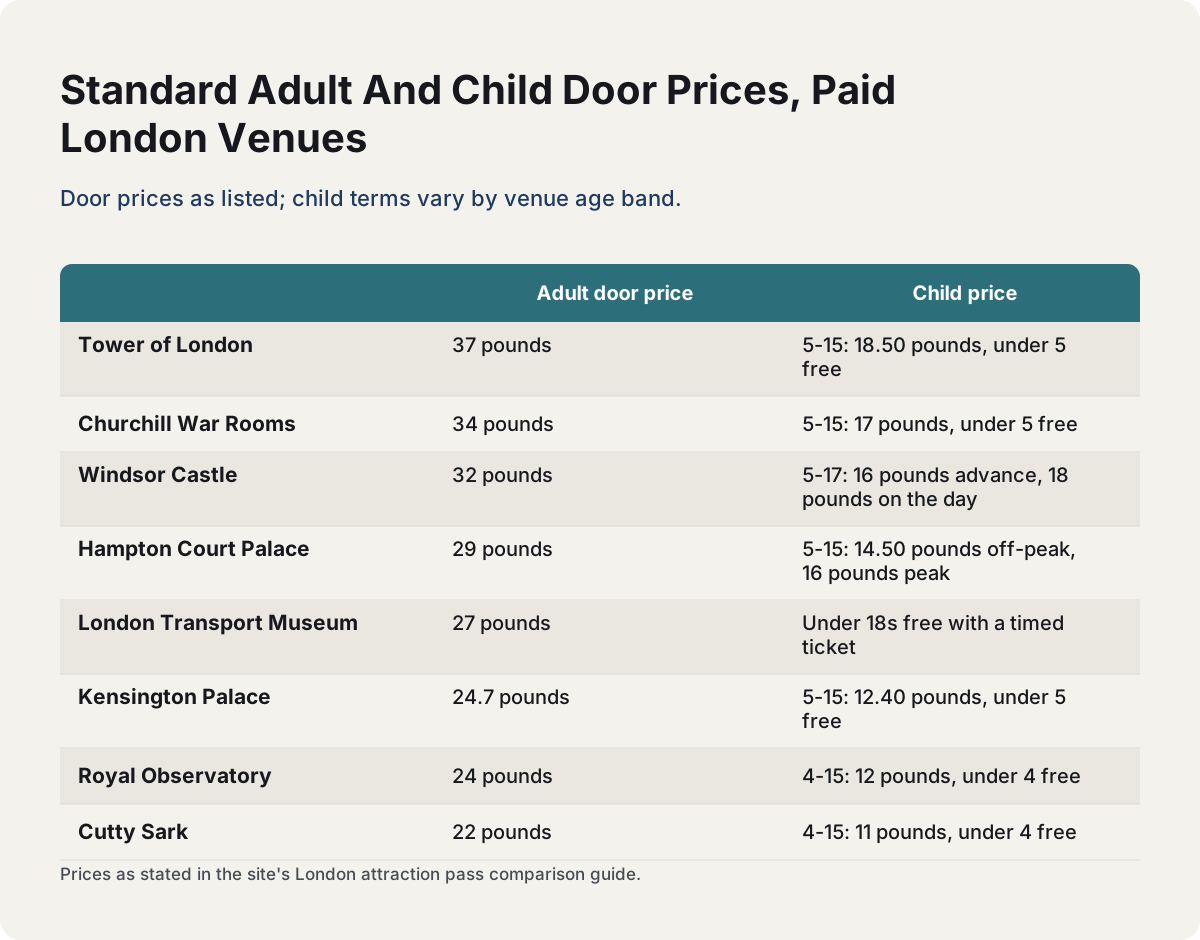
Run your own list against that table before you look at any pass price. The heaviest three-day core a pass can be measured against is the Tower of London, the Churchill War Rooms and Windsor Castle, at 37, 34 and 32 pounds respectively, and a palace-heavy week might add Hampton Court, Kensington Palace and the London Transport Museum on top. A lighter trip of the Royal Observatory, Cutty Sark, the Postal Museum at 18.50 pounds and the Sherlock Holmes Museum is a much smaller sum, and a pass priced above your own total for the same days is dead money.
The pass price itself is deliberately not printed here. It moves with season and sales, and quoting a stale figure would date the whole page. Compare the operator's current price against your own door sum from the table above, venue by venue, and only for venues you would actually enter.

When Does A Pass Genuinely Save Money?
A pass saves money on exactly one kind of trip: three or more full days, packed with paid royal palaces and commercial attractions, with little time left for the free national collections. If your list is Hampton Court, Windsor, the Tower and the Churchill War Rooms, four of the ten priciest paid venues in the city, a pass can beat the door. If your list has two paid venues and four free museums, it cannot.
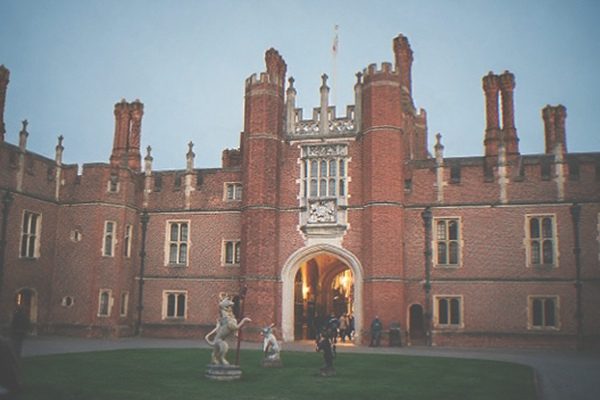
The palace-heavy itinerary is the classic pass winner. Hampton Court Palace alone costs 29 pounds at the door, Windsor Castle 32 pounds, and both demand timed entry, so the days need planning either way. Hampton Court also carries a real scheduling constraint that passes never mention: it is in the far south-west of the city, and Windsor is outside London altogether, so fitting both into one day is ambitious and fitting either alongside a South Kensington museum morning is not. A pass that pushes you into a rushed palace sprint can save money and ruin the day.
The detailed version of this calculation, day by day, is in the site's three-day London museums itinerary, which sequences the paid palaces against the free collections so nothing gets wasted. The short version: buy the pass only after the itinerary exists, never before. Write the trip first, price the door, then see if a pass beats your own number.
For Hampton Court itself, the standard door price is 29 pounds and the operator's live listing shows the current from-price alongside it, and you can compare the two directly on the Hampton Court Palace tour page or Check availability for the date you have in mind. Peak summer weekends at Hampton Court do fill their timed slots, so whichever way you pay, booking ahead is the part that matters.
When Is Paying At The Door The Smarter Move?
Pay at the door, or buy single advance tickets, whenever the itinerary leans on the free museums, which is most London itineraries. Two paid venues plus four free ones is a typical first-time trip, and no pass priced for a full royal programme improves on a plan built around collections that cost nothing. Flexibility is the bonus: nothing is locked in, and an unused day costs nothing.
The free tier does the heavy lifting. A first-visit plan of the British Museum, the National Gallery, Tate Modern, the Natural History Museum and the V&A costs nothing in admission, and adding one paid anchor, say the Tower of London at 37 pounds, brings the whole trip's admission spend to exactly that single ticket. A multi-day pass would need to cost less than one Tower ticket to win, and none does. This is the structural reason London is a weak pass city, and it is why this site's free museums in London guide is the real money-saving page for most visitors.
| If your trip looks like this | Paid venues and standard adult prices | Better option |
|---|---|---|
| Two free museums a day, one paid anchor | Tower of London, 37 pounds | Door or single advance ticket |
| Three days, four paid palaces, few free visits | Tower 37, Windsor 32, Hampton Court 29, Kensington Palace 24.7 pounds | Compare a multi-day pass against your own sum |
| Greenwich day | Cutty Sark 22 pounds, Royal Observatory 24 pounds | Door, booked as two timed tickets |
| One palace plus one specialist museum | Hampton Court 29 pounds, for example | Single advance tickets |
| Rainy day, indoor-heavy, kids in tow | Often nothing, free museums | Free museums, nothing to buy |
The door option has one more quiet advantage: you can change your mind. London weather, tired children and a museum that catches you for three unplanned hours will shred a pass-driven schedule, and an unused pass day is a pure loss. A door ticket you never buy costs nothing. The site's rainy day museums guide exists precisely because plans bend, and door-payers bend with them for free.
For the Tower of London, the one paid anchor most first visits include, the standard adult door price is 37 pounds and the operator's live listing shows from 79.93 US dollars with a 4.5 rating across 1789 reviews, so the single ticket is the honest benchmark.
How Do Free Museums Change The Pass Sum?
Free museums change the sum by removing most of it. Twenty of the forty-eight museums on this site cost nothing year-round, which means the average visitor's paid list is two or three venues, not eight, and a pass priced against eight venues cannot win against a two-venue trip. The only charges hiding inside the free tier are the big temporary exhibitions.
Every free museum on the list still sells tickets to its blockbuster exhibitions, and those are usually not covered by any pass. The National Gallery's headline shows, the British Gallery's special exhibitions and the Science Museum's paid attractions like Wonderlab and the IMAX all sit outside both free entry and typical pass coverage. Budget for them separately, because a pass that skips them and a door that skips them cost the same: the exhibition price.
Even the free venues have a booking habit worth knowing. The British Museum recommends advance booking for its permanent collection and uses timed entry, and the Natural History Museum recommends a free advance entry ticket for busy periods, even though general admission costs nothing. None of that is pass territory, it is simply crowd management, and it costs the visitor nothing but a moment of planning.
That Monday fact quietly strengthens the door option too, because a flexible, unbought itinerary loses nothing to the calendar. The details are in the site's museums open on Monday guide.
What Do Real Two-Day Plans Cost At The Door?
A realistic two-day plan costs whatever your paid list costs: the Tower of London at 37 pounds one day, Cutty Sark at 22 pounds and the Royal Observatory at 24 pounds the next, with the free museums filling every gap for nothing. The door total is simply the sum of the paid venues you actually choose, and every standard price needed to compute it sits in the tables above.
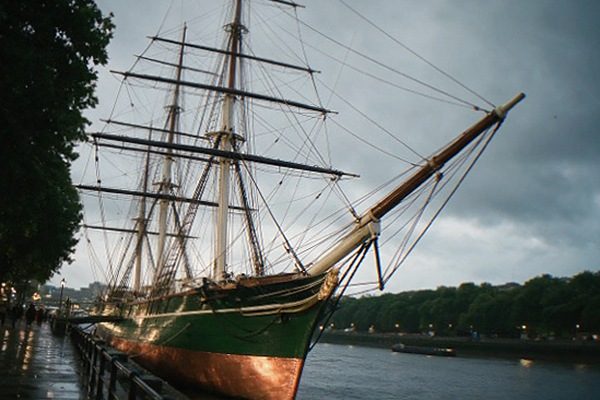
Run the arithmetic on three plausible plans. Day one, the classic: the Tower of London at 37 pounds in the morning, the free British Museum in the afternoon, and the day's entire admission spend is that one Tower ticket. Day two, Greenwich: Cutty Sark at 22 pounds, the Royal Observatory at 24 pounds, then the National Maritime Museum and the Queen's House free. Two full days, five world-class venues, and a door bill you can count on one hand. The Greenwich grouping is laid out in the site's Greenwich museums guide, and the two paid venues sit within a ten-minute walk of each other.
| Plan | Paid venues and standard adult prices | Free venues on the same day |
|---|---|---|
| Royal day | Tower of London 37 pounds, Churchill War Rooms 34 pounds | National Gallery, National Portrait Gallery |
| Greenwich day | Cutty Sark 22 pounds, Royal Observatory 24 pounds | National Maritime Museum, Queen's House |
| South Kensington day | None required | V&A, Science Museum, Natural History Museum |
| Palace day trip | Hampton Court 29 pounds, Windsor Castle 32 pounds | None, both are outside central London |
The palace day is the one that tempts people toward a pass, and it is also the one with the most friction. Hampton Court and Windsor are both magnificent, but they carry the two heaviest palace price tags outside the Tower and they sit in opposite corners of the region, so most travellers pick one. The Royal Observatory is run by Royal Museums Greenwich, which also runs Cutty Sark, and the two-venue Greenwich combination is the easiest paid pairing in London to actually complete.
For Cutty Sark, the standard adult door price is 22 pounds, and the live listing shows from 29.80 US dollars with a 4.7 rating across 371 reviews, which makes it the cheapest of the paid Greenwich pair.
What Mistakes Do People Make With Attraction Passes?
The common mistakes are buying the pass before writing the itinerary, counting free museums toward the saving, quoting Gift Aid prices as if they were the door benchmark, and scheduling palaces that are geographically impossible to combine. Each one inflates the apparent value of a pass, and each one is avoidable in five minutes with a map and the door-price table above.
The first mistake is arithmetic: adding free museums to the "value" column. A pass cannot save you 25 pounds on the National Gallery, because the National Gallery costs zero. Any pass review that totals free venues into the savings has invented money. The second is the Gift Aid confusion described earlier, where the higher donation-inclusive price is presented as the door cost, padding the claimed saving by several pounds per venue.
The third is geography. Hampton Court is in the south-west, Windsor is outside the city, the Tower is in the east and Kensington Palace is in the west. A pass that "covers" six palaces does not make them adjacent, and a three-day pass spent mostly on trains has bought nothing. The fourth is ignoring closures: Banqueting House, for instance, closes around 20 September 2026 for conservation, so any pass value calculated on a Whitehall cluster including it needs a rethink. Kew Palace has no standalone ticket at all, entry requires a Kew Gardens ticket, and it is closed from January to 29 March.
The fifth mistake is paying for flexibility you do not need in the other direction. Families with children often do better at the door than any comparison suggests, because child pricing is generous across the paid venues: under-18s go free at the London Transport Museum with a timed ticket, under-16s are free at the Foundling Museum, and the free national collections admit children at nothing. A pass priced per person rarely beats a door total padded with zero-pound child tickets.
The short decision rule, then: write the itinerary, price it at the door from the standard rates in this guide, and only fetch a pass price if your paid total clears the pass cost with a day or two to spare. Most London trips never reach that line, and the twenty free museums are the reason why.
Common Questions About London Attraction Passes
Is a London attraction pass worth it?
Only on a dense itinerary of paid venues, roughly three or more days built around the royal palaces and commercial attractions. If your trip mixes in the free national collections, which cost nothing year-round, the door total usually comes in below the pass price. Price your own itinerary at the door first.
Do free museums count toward a pass saving?
No. A pass cannot generate a saving on a venue that charges nothing, so the British Museum, National Gallery, Tate Modern, the V&A and the other free collections should be left out of the arithmetic entirely. Their exhibitions, however, usually still charge and are usually not covered by a pass.
Can you visit Hampton Court and Windsor Castle on the same day?
It is possible but ambitious. Hampton Court sits in the south-west of London and Windsor is outside the city, so travel eats much of the day. Most visitors pick one palace and pair it with free museums closer to the centre.
What is the standard door price at the Tower of London?
The standard adult door price is 37 pounds, with children aged 5 to 15 at 18.50 pounds and under-5s free. Timed entry is required. UK venues display a higher Gift Aid price beside this, which includes a voluntary donation and is not the benchmark figure.
Do children go free at London museums?
Very often, yes. Under-18s are free at the Foundling Museum and at the London Transport Museum with a timed ticket, under-16s are free at the British Museum's permanent collection, and every free national collection admits children at no charge. Paid venues typically charge a reduced child rate, roughly half the adult price.
Are London museums open on Mondays?
Most of them are, unlike in Paris or Amsterdam where Monday closures are common. That makes unbought, flexible door-paying itineraries safer in London than in most European capitals, since a plan can shift a day without hitting a closed door.