Things To Do In London When It Rains: The Museum Plan
London rain is rarely a downpour and rarely a surprise, and the city holds 48 museums, 20 of them free. A wet afternoon here is not a lost afternoon, it is the best museum weather there is.
 By James Whitfield, London Museums And Travel Writer
Short answer
Rain in London is best answered indoors: the British Museum, National Gallery, Tate Modern, V&A, Science Museum and Natural History Museum are all free to enter and all sit within a short walk of a Tube station. Paid indoor options include the Churchill War Rooms at GBP 34 and the Tower of London at GBP 37, both with timed entry.
London rain is rarely a downpour and rarely a surprise, and the drizzle that does arrive has a habit of settling in for a whole afternoon. The useful response is not an umbrella, it is a plan. This city keeps 48 museums, and 20 of them charge nothing at the door, so a forecast that ruins a park walk can quietly hand you one of the best museum days of your trip.
The trick is knowing which buildings connect to dry routes, which neighbourhoods pack several museums into one short dash, and which collections are big enough to absorb three hours of weather. This guide does that in order: covered arrivals first, then the free giants, then the clusters, then the family and Monday questions people actually ask when the sky turns grey.
Which Museums Can You Reach Without Going Back Outside?
Most of the major London museums sit within a five minute walk of a Tube station exit, and several are close enough to each other that you can spend an entire wet afternoon moving between them with only one or two short dashes in the rain. The British Museum is six minutes from Holborn, the National Gallery sits directly above Charing Cross station, and the whole South Kensington cluster is linked by a pedestrian tunnel from the Tube ticket hall.
Start with arrival, because that is where a rainy plan usually dies. Charing Cross station empties almost directly into Trafalgar Square, so the National Gallery is the one great collection in London where the walk from train to door is measured in seconds rather than minutes. Holborn to the British Museum is a six minute walk along Great Russell Street, and the museum's porticoed forecourt means you queue under cover once you are close.
The South Kensington museums go further. A pedestrian tunnel runs from the Tube station toward the museums, so you can surface inside the ticket hall area of the Natural History Museum or the V&A with barely a drop on you. Greenwich works differently: the DLR and the riverboat both land you within a short walk of the National Maritime Museum, the Queen's House and the Cutty Sark, and the cluster is compact enough that the dashes between them stay short. Our London Museums coverage of each neighbourhood spells out these walks museum by museum.
The real planning question is which museum can absorb the whole afternoon if the rain never stops. The British Museum can. The V&A can. The Natural History Museum can. A small house museum such as the Freud Museum or Keats House cannot, and a wet Saturday spent queuing for three different small venues is a wet Saturday spent outdoors. Pick one anchor per afternoon and treat anything extra as a bonus.
What Can You Do In London When It Rains For Free?
Twenty of the 48 museums on this site cost nothing to enter, year round, with no ticket needed: the British Museum, National Gallery, Tate Modern, Tate Britain, the V&A, Science Museum, Natural History Museum, Imperial War Museum, National Maritime Museum, Wallace Collection and more. Rain costs you a Tube fare and nothing else, though temporary exhibitions inside these buildings still charge.
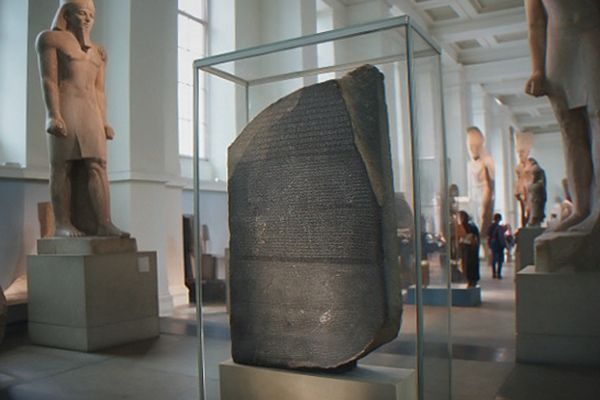
The free list is the backbone of any wet-weather plan. The British Museum's permanent collection, from the Rosetta Stone to the Parthenon sculptures, is free to walk into, with advance booking recommended for busy periods but not required. Tate Modern needs no booking at all for its collection, and the National Gallery asks for advance booking only when special exhibitions draw crowds. The full breakdown lives in our free museums in London guide, which separates the genuinely free doors from the ones that only look free.
What still costs money inside a free museum is the temporary exhibition. The Tate galleries, the V&A and the Science Museum all run paid shows alongside their free collections, and the Science Museum also charges separately for Wonderlab, its hands-on gallery, and the IMAX. That is fair, but it catches visitors out: budget for the special shows you actually want, and do not assume a free museum means a free everything.
The British Museum deserves its place as the default rainy afternoon. It is enormous, it is free, and its highlights are famous enough that a first visit fills three hours without effort. A guided tour keeps you moving and answers the questions the labels do not, which matters on a day when you want the indoor time to count.
The V&A sits in the same free category and is arguably the better pure rain shelter, because its galleries are warren-like and endless: ceramics, fashion, jewellery, cast courts, a café with grand decoration, and enough rooms that you can lose an afternoon without ever seeing the outside. The National Gallery is the third leg of the free triangle, and its location above Charing Cross makes it the easiest dry arrival in central London.
| Free museum | Nearest station | Booking for the free collection | What still costs money |
|---|---|---|---|
| British Museum | Holborn | Recommended for busy periods, not required | Special exhibitions and some events |
| National Gallery | Charing Cross | May be required for busy exhibitions | Some special exhibitions and events |
| Tate Modern | Southwark | No booking required | Temporary exhibitions |
| Tate Britain | Pimlico | No booking required | Temporary exhibitions |
| V&A | South Kensington | No booking required for general admission | Some exhibitions and events |
| Natural History Museum | South Kensington | Free advance ticket recommended | Special exhibitions and events |
| Science Museum | South Kensington | Free advance ticket recommended | Wonderlab, Power Up, IMAX |
| Imperial War Museum | Lambeth North | Booking may be advised | Some exhibitions and events |
| National Maritime Museum | Cutty Sark DLR | Booking may be advised | Some exhibitions and events |
| Wallace Collection | Bond Street | May be required for busy periods | Some exhibitions and events |
Which Museums Cluster Under One Roof Or One Covered Route?
Three neighbourhoods do the rainy-day work for you: South Kensington holds the Natural History Museum, Science Museum and V&A within a few minutes of each other, Greenwich holds the National Maritime Museum, Queen's House and Cutty Sark along one riverside stretch, and Bloomsbury strings the British Museum, Postal Museum and Foundling Museum together. One neighbourhood per afternoon is the rule.
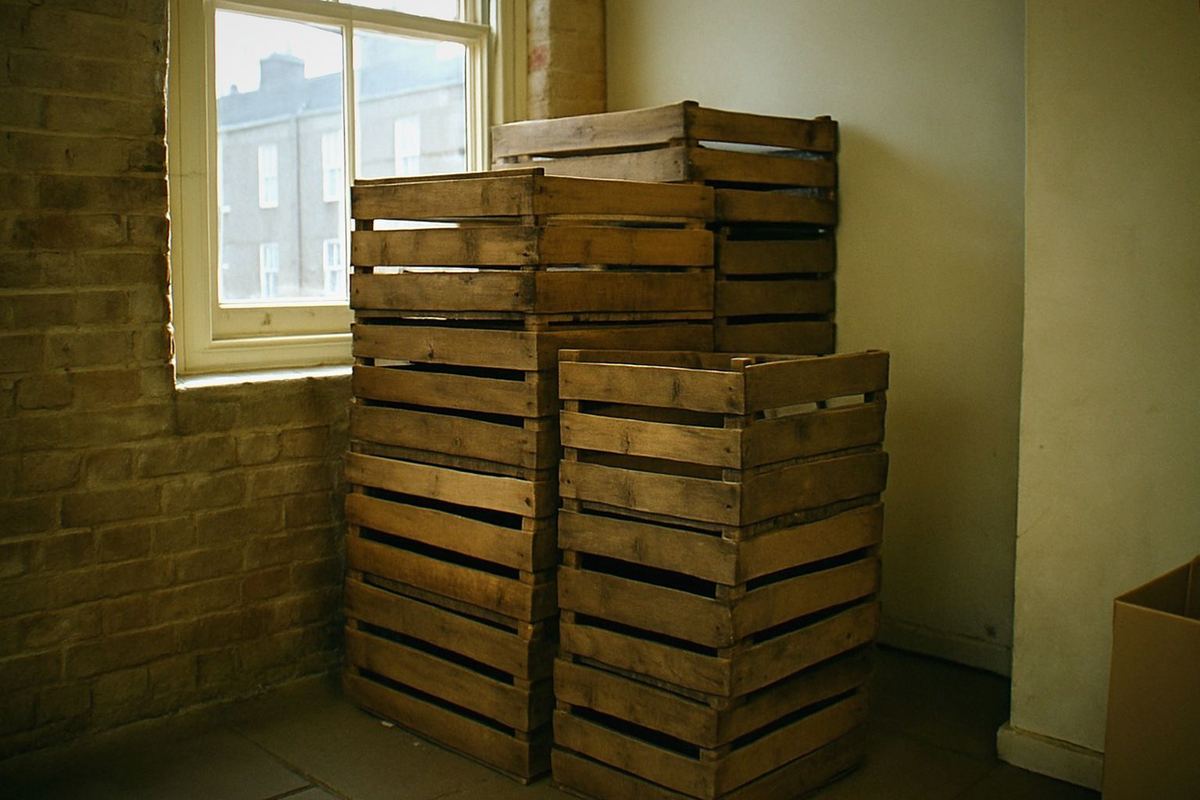
South Kensington is the strongest cluster on the list because all three museums are free and the pedestrian tunnel connects the Tube to their front doors. A wet day can run Natural History Museum in the morning, a covered dash to the V&A for lunch in its café, and the Science Museum's mathematics and flight galleries in the afternoon, with the tunnel used twice and the street barely at all. The scheduling details, including which of the three needs a free advance ticket, are laid out in our South Kensington museums guide.
Greenwich is the second cluster, and it is a different shape: three free venues, the National Maritime Museum, the Queen's House and the Royal Observatory's parkland, plus the paid Cutty Sark at GBP 22 for adults and the Painted Hall. The Painted Hall is the single most rain-proof attraction in the borough, a painted ceiling you look up at from a dry floor, and it rewards a slow hour. The Greenwich museums guide maps the walking distances, which are short but not covered, so pick your dashes between showers.
Bloomsbury is the third and the most underrated. The British Museum anchors it, the Postal Museum with its mail rail ride sits ten minutes north, and the Foundling Museum, free for anyone 21 and under, sits between them. The Postal Museum charges GBP 18.50 for adults and its miniature underground railway is exactly the kind of thing that rescues a family from a hotel room on a sodden afternoon.
How Do You Build A Rainy Day Around South Kensington?
Arrive at South Kensington station, use the pedestrian tunnel, and do the Natural History Museum first because it is the one that fills fastest, then cross to the V&A for lunch and the afternoon, and finish in the Science Museum if energy remains. All three are free to enter, the tunnel keeps you dry between station and museum, and only the special exhibitions and Wonderlab charge.
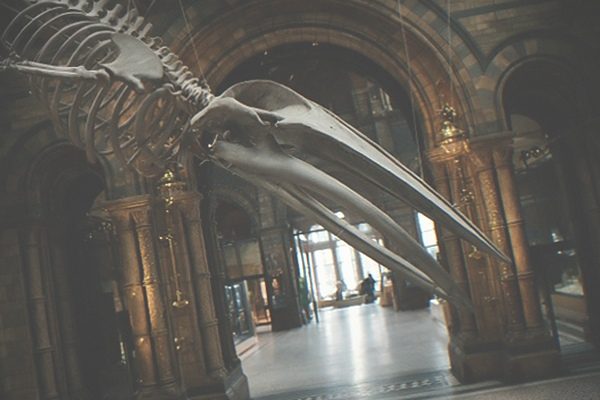
The Natural History Museum's dinosaurs and the blue whale skeleton in its entrance hall are the reason it gets crowded by late morning, so a rainy day should start there, not end there. Entry is free, and the museum recommends a free advance ticket for busy periods, which in practice means weekends and any school holiday. The queue for walk-ups can stretch along the Cromwell Road pavement, which is precisely where you do not want to stand in the rain.
The V&A opposite is the better second stop precisely because it has no such queue problem. No booking is required for general admission, and the building is large enough that even a busy Saturday feels spacious. Its galleries of sculpture, silver and theatre costume are the sort of thing you wander rather than march, which suits a day when nobody wants to leave. The official V&A visit pages carry the current exhibition schedule, which is the only part of a visit that costs money.
The Science Museum round the corner is the family closer. Wonderlab, its paid interactive gallery, charges separately, and so does the IMAX, but the main flight and space galleries are free and the museum recommends a free general admission ticket for busy periods. Three museums, one tunnel, one Tube fare, and a whole day that the weather cannot touch.
What About Greenwich And The River On A Grey Day?
Greenwich packs the free National Maritime Museum, the free Queen's House and the paid Cutty Sark and Painted Hall into one compact riverside stretch, so the rain only catches you on the short walks between them. The Painted Hall is the best pure rain shelter, while the Cutty Sark at GBP 22 lets you stand under the hull of a tea clipper, entirely dry.
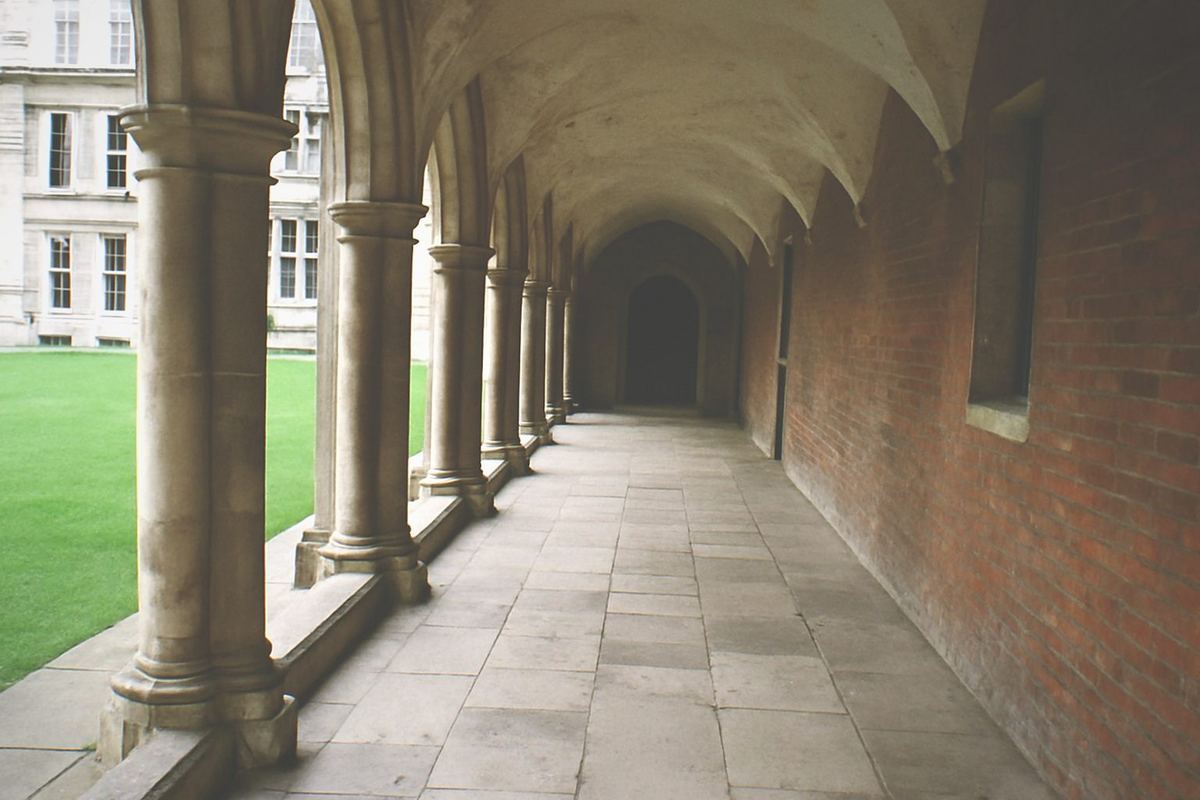
The Maritime Museum and the Queen's House cost nothing, sit beside each other, and connect through their grounds, so the dash between them is a few seconds. The Cutty Sark is the paid centrepiece: the ship is suspended above a dry lower deck, and you walk beneath the hull, which on a wet day is the most satisfying way to be outdoors while indoors. Adults pay GBP 22 at the door, children aged 4 to 15 pay GBP 11, and under-4s go free.
The Painted Hall, a short walk up the hill in the Old Royal Naval College, is Greenwich's other rain-proof gem, and a guided tour of its ceiling is one of the few London attractions that is actually improved by bad weather, since you are looking up either way. The Royal Observatory sits at the top of the park and involves a genuine uphill walk, so save it for a dry gap or drop it when the forecast is grim. The riverboat to Greenwich is covered, and arriving by boat on a drizzly day is a good London trick: the Thames looks right in the rain.
Which Museums Are Open On Mondays When It Rains?
Most London museums are open on Mondays, unlike Paris and Amsterdam, where Monday closures are common, so a rainy first day of the week is not a museum dead end in London. The free nationals including the British Museum, Tate Modern and the National Gallery run normal Monday hours, though a few smaller house museums close early or shut entirely, so check the individual museum before setting out.
This is one of the quiet advantages of London as a museum city, and it surprises visitors who have planned around continental closure patterns. A Monday downpour that would leave you stranded in Paris sends you into a full day of options here. The British Museum's opening times run seven days a week, and the same is broadly true of the South Kensington trio and the Tate galleries.
The exceptions are the small ones. House museums such as Keats House and John Wesley's House run limited hours and neither sells a ticket online at all, they are door-only visits, so a Monday visit to a minor venue needs a check of its own site first. Our museums open on Monday guide lists exactly which of the 48 keep Monday hours and which do not, which is worth a glance before you commit a wet Monday to a specific address.
Where Should Families Go When The Weather Turns?
The best rainy-day museums for families are the free Natural History Museum and Science Museum in South Kensington, the Postal Museum's mail rail in Bloomsbury at GBP 18.50 for adults and GBP 11 for children aged 2 to 15, and the London Transport Museum in Covent Garden at GBP 27 for adults with under-18s free. Each one has something children can ride, touch or climb around, not just look at.
The Postal Museum's miniature railway, which carries visitors through the tunnels that once moved London's post, is the strongest single rainy-day draw for younger children, and our piece on how long the mail rail ride lasts covers the timing and how it works. The Science Museum's Wonderlab is the other big hands-on option, though it charges on top of the free entry, and the Natural History Museum's dinosaurs need no selling to anyone under ten.
The London Transport Museum in Covent Garden is the all-weather family classic: buses to climb on, tube trains to walk through, and a location inside the covered piazza, so even the arrival is dry. Under-18s enter free with a timed ticket, adults pay GBP 27, and the ticket acts as an annual pass, which softens the price for anyone staying more than a few days. The museum's own visit information explains the pass terms.
One honest note for parents: the free nationals are free, but their cafés are not, and a rainy family afternoon generates a café stop whether you planned one or not. The V&A café and the Maritime Museum's café are the two most pleasant places in the city to be stuck in for half an hour with sandwiches and a phone charger.
| Family museum | Adult price | Child price | The rainy-day hook |
|---|---|---|---|
| Postal Museum | GBP 18.50 | GBP 11 ages 2-15, under 2 free | Ride the mail rail through real postal tunnels |
| London Transport Museum | GBP 27 | Under-18s free with timed ticket | Climb aboard historic buses and tube trains |
| Natural History Museum | Free | Free, reduced for paid exhibitions | Dinosaurs and the blue whale skeleton |
| Science Museum | Free | Free, paid attractions charge for 3s and over | Wonderlab hands-on gallery and IMAX |
| Cutty Sark | GBP 22 | GBP 11 ages 4-15, under 4 free | Walk beneath the hull of a tea clipper |
How Do You Move Between Museums Without Getting Soaked?
Use the Underground as your umbrella: nearly every museum on this site sits within a ten minute walk of a station, the South Kensington tunnel connects three museums to the Tube entirely underground, and riverboats to Greenwich are covered end to end. Plan one neighbourhood per afternoon, one anchor museum, and treat any second museum as a bonus rather than a target.
The Underground is the reason a rainy London day is workable in a way a rainy day in a spread-out city is not. Museum to museum by Tube is usually 15 to 25 minutes door to door, and the walks at either end are short. The exceptions worth knowing: Windsor Castle, Hampton Court Palace and Kew Palace are outside the core Tube map and involve mainline trains, so on a wet day they are the palaces to drop first, whatever the itinerary said.
For paid anchors, the Churchill War Rooms in Westminster are the best rainy-day ticket in the city precisely because they are underground: GBP 34 for adults, GBP 17 for children aged 5 to 15, timed entry, and the weather is irrelevant to the entire visit, since you are spending the afternoon in a bunker. The Imperial War Museum's main building, free to enter, makes a strong pairing on the same wet day, a short Tube hop south.
The Tower of London is the one paid giant that rain genuinely dampens, because much of its appeal is the outdoor grounds; the Crown Jewels display is indoors but the queue often is not. Our guide to how much Tower of London tickets cost covers the GBP 37 adult price and the online-versus-door question in detail, but the short version for wet weather is: it is a dry-day attraction, and a rainy week should push it down your list, not up.
A Quick Rainy-Day Reference Table
This table compresses the whole plan into one view: what each cluster costs, how dry the arrival is, and how long a wet afternoon lasts there. Read it as a menu rather than a checklist, one row per afternoon, one anchor museum per row, and the free rows first if the budget is tight. Every entry price shown is the museum's own standard adult door price, never the higher Gift Aid figure displayed beside it.
| Neighbourhood | Museums | Entry cost | Rain-proof arrival | Hours of indoor cover |
|---|---|---|---|---|
| South Kensington | Natural History Museum, Science Museum, V&A | Free, paid extras | Pedestrian tunnel from station | 6+ |
| Bloomsbury | British Museum, Postal Museum, Foundling Museum | Free plus GBP 18.5 Postal | Short walks from Holborn or Russell Square | 5+ |
| Greenwich | Maritime Museum, Queen's House, Cutty Sark, Painted Hall | Free plus paid Cutty Sark and Painted Hall | DLR or covered riverboat | 5+ |
| Trafalgar Square | National Gallery, National Portrait Gallery | Free, paid exhibitions | Charing Cross station directly beneath | 3+ |
| Bankside | Tate Modern, Golden Hinde | Free plus GBP 6 Golden Hinde | Short walk from Southwark or Blackfriars | 3+ |
| Westminster | Churchill War Rooms, Household Cavalry Museum | GBP 34 and GBP 11 | Short walks from Westminster or Embankment | 3+ |
Common Questions About Things To Do In London When It Rains
Are London museums free when it rains?
They are free all year, rain or shine. Twenty of the 48 museums on this site, including the British Museum, the National Gallery, Tate Modern and the V&A, charge nothing for entry. Only their temporary exhibitions cost money.
Which London museums can I reach without going outside?
The South Kensington museums connect to the Tube through a pedestrian tunnel, and the National Gallery sits directly above Charing Cross station. Most other major museums are within a five to ten minute walk of a station exit.
Is the Churchill War Rooms a good rainy-day choice?
It is one of the best, because the entire visit is underground. Adults pay GBP 34, children aged 5 to 15 pay GBP 17, and entry is timed, so book a slot before you set out.
Are London museums open on Mondays?
Most are, unlike museums in Paris and Amsterdam. The free nationals run normal Monday hours. A few small house museums close on Mondays or sell no online ticket at all, so check the individual museum's site first.
What is the best free rainy afternoon in London?
The British Museum or the V&A, both free, both large enough to absorb three hours, and both close to covered transport links. Pair either with the National Gallery if the rain eases, since it sits above a station.
Should I skip the Tower of London if it rains?
Probably, yes. Much of the Tower's appeal is its outdoor grounds, and the Crown Jewels queue often stands in the open. Adults pay GBP 37, so save it for a dry day and put a covered attraction such as the Churchill War Rooms in its place.