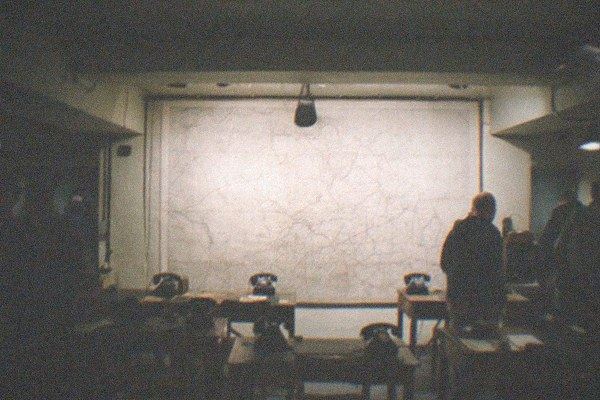
Churchill War Rooms
Westminster, Clive Steps · Preserved Map Room
Underground WWII bunker used by Churchill and the War Cabinet.
from $46.06per person, live price on the listing Check availability →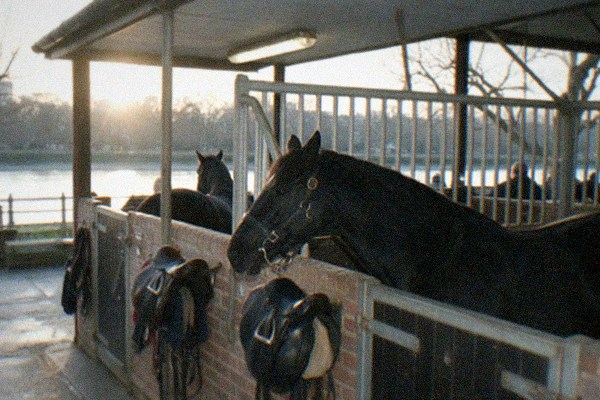
Working stables and ceremonial uniforms.
from $14.91 per person, live price on the listing
Check Price & Availability →Opens the official listing with live dates and prices. Book there; nothing is charged on this site.
The Household Cavalry Museum sits in the working stables at Horse Guards in Whitehall, telling the story of the British Army's senior regiments through ceremonial uniforms, regimental artefacts and real horses on duty. It suits anyone interested in pageantry, military history or a short, atmospheric stop near Trafalgar Square.
The museum's hallmark is that it sits inside the working stables of the Household Cavalry at Horse Guards, so alongside cases of uniforms, medals and regimental artefacts you can watch real cavalry horses through a glass partition. Ceremonial saddlery, historic uniforms and the daily working life of the mounted regiment share one compact, low-lit space.
The visit begins with the regiment's history, traced from its origins in the seventeenth century through campaigns such as Waterloo and both world wars. Display cases hold standard-issue kit and personal items belonging to named soldiers, which gives the collection an unusually human register for a military museum. Orders, decorations and campaign medals sit alongside objects recovered from battlefields, and the labelling tends to tell you who owned what rather than simply what it is.
The second half of the museum is the part most visitors remember. A glass screen separates the gallery from the stables themselves, where horses of the Household Cavalry Mounted Regiment are groomed, fed and shod as part of the daily routine. You may see a farrier at work, a horse being tacked up for sentry duty, or grooms going about the unglamorous chores that keep the ceremonial operation running. Because this is a living stable rather than a staged exhibit, no two visits look quite the same.
Ceremonial dress is covered in depth: the gold coats and plumed helmets of state occasions, the contrasting working dress, and the carefully explained distinction between the Life Guards and the Blues and Royals, the two regiments that make up the Household Cavalry. Audio commentary is included with admission and does useful work here, since the differences between uniforms are easy to miss without guidance.
The building itself is part of the appeal. Horse Guards dates to the eighteenth century, and the museum occupies its historic vaulted stables, so the low arches and worn stone give the displays a setting no purpose-built gallery could match. It is compact, dim and cool, which suits the material but also means the space fills up quickly when tour groups pass through.
Standard adult admission costs £11 for visitors aged 16 and over, with children under 5 free, ages 5 to 15 at £8, and over 60s at £9.50. The ticket includes an audio guide, and pre-booking is recommended though not essential. This is the museum's own standard price, not a Gift Aid figure.
Buying ahead is the sensible route on busy days, since the museum's entrance sits directly on the Whitehall tourist corridor and walk-up demand can spike around Changing of the Guard timings at nearby Horse Guards Parade. You can pre-book on the museum's own site, and the ticket panel on this page is the quickest way to secure a timed slot before you travel. If you would rather pay on the day, that remains possible.
| Ticket Type | Price | Notes |
|---|---|---|
| Adult (16+) | £11 | Standard admission, audio guide included |
| Child (5 to 15) | £8 | Audio guide included |
| Child (under 5) | Free | No ticket required |
| Over 60s | £9.50 | Concession rate |
| Family and group rates | on the museum's site | Check the current price on the museum's own site |
What the ticket covers is the full gallery and stable viewing area, plus the audio commentary. There is no separate premium tier or behind-the-scenes add-on sold at the counter; the stable experience is part of the standard entry. Concessions beyond the over-60s rate, along with any family ticket, are listed on the museum's own tickets page, so verify those before you commit if your group includes students or carers.
For current visitor ratings, see the score on the listing below rather than relying on figures quoted elsewhere, as review numbers change constantly. If you are building a day around Whitehall's cluster of historic attractions, it is worth comparing this ticket against the Churchill War Rooms, which is a few minutes' walk away and makes the more natural pairing for a fuller day out.
Allow around 45 minutes to an hour for a comfortable visit, longer if you want to linger at the stable viewing screen or listen to the audio guide in full. Midweek mornings are the calmest time to go, while weekends and days with major ceremonial events nearby are the busiest.
The museum is small, and the floor plan is a straightforward one-way route from the historical galleries through to the stables. Most people move through the artefact cases in 20 to 30 minutes, then spend the balance of their time at the glass partition watching the horses. That final stretch is the reason to build in slack: grooming, feeding and farriery happen on the regiment's schedule, not yours, and if something interesting is underway you will want the time to stand and watch.
| At A Glance | Detail |
|---|---|
| Location | Whitehall, at Horse Guards |
| Opening hours | on the museum's site |
| Closed days | on the museum's site |
| Time to allow | 45 minutes to 1 hour |
| Nearest station | on the museum's site |
| Audio guide | Included with admission |
| Stable viewing | Included with admission |
| Pre-booking | Recommended, not essential |
Timing your visit around ceremony is the sharpest way to make the trip pay off. The Changing of the Guard and the mounted sentry changes at Horse Guards draw crowds to the parade ground just outside, and the museum itself sits underneath that activity. Coming just before a sentry change means you can watch the horses being prepared inside, then step out for the ceremony itself. The Household Cavalry's own official site carries the current opening schedule, which shifts with state occasions and the operational demands of the regiment.
Avoid arriving in the middle of a large group visit if quiet matters to you. The vaulted galleries are intimate, and two coach parties can fill them. Midweek mornings before 11am are reliably the quietest window; late afternoon is a reasonable second choice, though the stable routine winds down later in the day.
The museum sits at Horse Guards on Whitehall, in the heart of Westminster, and is an easy walk from Trafalgar Square, Westminster and the South Bank. The space is compact and dim, with narrow historic vaults, so visitors with mobility concerns or very young children should plan accordingly. Opening hours and any closure days are on the museum's own site.
Getting there is simple on foot. Whitehall is one of the most central streets in London, roughly equidistant from Charing Cross, Embankment and Westminster stations. For exact station recommendations, consult the details on the museum's site, but in practice any visitor already in central London will find the entrance within a ten-minute walk of Trafalgar Square. Buses along Whitehall stop close by, and the pedestrian approach from Parliament Square or the Cenotaph is flat and direct.
Because the museum occupies eighteenth-century vaulted stables, the interior is narrower and lower than a modern gallery. The low light suits the artefacts and the atmosphere but can make the space feel congested at peak times. Pushchairs are worth thinking about: the route is not generous with turning space. If you are travelling with a buggy, it is worth checking the museum's accessibility guidance before you arrive.
A few practical notes. Photography is generally possible in the galleries, but the stable area is a working military environment, so follow staff instructions on the day. There is no cafe on site, and the museum is a short visit rather than a destination for a long stay, so plan food around Whitehall's wider options. Security presence around Horse Guards is a fact of the location, and bags may be glanced at on entry as part of the building's routine.
Visitors who find the interior tight may prefer to spend more of their time on the ceremonial spectacle outside, which is free to watch, then use the ticketed museum to understand what they have seen. The two halves of a Horse Guards visit reinforce each other well.
The museum sits inside Westminster's densest sightseeing quarter, so pairing it costs you almost no travel time. The Churchill War Rooms, Trafalgar Square, Horse Guards Parade, Downing Street's gates and the South Bank are all within a few minutes' walk, making it easy to build a half-day around one small museum.
The strongest pairing is the Churchill War Rooms, roughly five minutes away on King Charles Street. The contrast works: the Cavalry Museum is bright pageantry and living horses, the War Rooms are wartime underground claustrophobia, and together they cover two very different faces of British state history. The War Rooms need substantially more time, two hours or so, so do the Cavalry Museum first if you are working to a schedule.
Step outside and the ceremonial context is immediate. Horse Guards Parade, the gravel expanse behind the museum, hosts the sentry changes and major annual ceremonies, and the mounted sentries posted at the Whitehall entrance are among the most photographed figures in London. Walking north brings you to Trafalgar Square and the National Gallery in under ten minutes; walking south takes you past the Cenotaph, Downing Street and into Parliament Square, with Westminster Abbey in easy reach.
For a longer day, cross Westminster Bridge to the South Bank and continue toward the London Eye and the county of riverside attractions beyond. A sensible sequence for a first-time visitor is the Cavalry Museum in the morning, a sentry change at Horse Guards, the Churchill War Rooms after lunch, then Trafalgar Square in the late afternoon. All of it sits within a compact corner of the city that rarely requires more than fifteen minutes of walking between stops.
Families should note that the short visit length and the live horses make this museum unusually good for children who tire of conventional galleries, while the concentration of outside spectacle means even restless companions have something to watch between exhibits.
This museum suits visitors with an hour to spare in central London who want pageantry, horses and military history in one compact stop. It does not suit anyone expecting a large multi-floor museum, a cafe-based day out, or extensive interactive displays, and the tight historic vaults will frustrate visitors who need lots of space.
The ideal visitor arrives curious about the Household Cavalry's role rather than already expert. The collection explains who the Life Guards and Blues and Royals are, what the ceremonial uniforms mean, and how the mounted regiment's daily routine connects to duties like Trooping the Colour and the sovereign's escort. The audio guide, included in the ticket, carries much of that explanation, so a visitor with no military background leaves with the outline story intact.
Families with children between roughly 5 and 12 tend to get good value, partly because the visit is short and partly because horses are a reliable hook. The under-5s go free, and the 5 to 15 ticket at £8 is priced so a family visit does not balloon. Serious military historians, on the other hand, may find the scope narrow: this is a regimental museum with a focused remit, not a national collection, and the depth lies in the Household Cavalry story rather than the wider British Army.
Visitors coming from the Churchill War Rooms or heading toward Westminster should treat this as a high-value detour rather than a headline attraction. An hour here, sandwiched between bigger sights, is the pattern the museum is built for. If your interest in horses or ceremony is only passing, the free spectacle outside Horse Guards may be enough, and the ticketed interior is best saved for a day when you want the context behind it.
The final consideration is timing luck. The stable viewing area delivers something different every day, so visitors who plan around the regiment's routine and arrive early get the richest version of the visit. That variability is a feature rather than a flaw, but it means managing expectations: the horses are not a performance, they are a working stable, and the museum's honesty about that is a large part of its appeal.
Standard adult admission is £11 for visitors aged 16 and over. Children aged 5 to 15 pay £8, under 5s go free, and over 60s pay £9.50. The ticket includes an audio guide. For any other concession or family rate, check the current price on the museum's own site.
Pre-booking is recommended but not essential. You can secure a slot through the ticket panel on this page or pre-book on the museum's own site. Walk-up entry remains possible on quieter days, but Whitehall is a busy tourist corridor, so booking ahead avoids disappointment.
Most visitors should allow 45 minutes to an hour. The museum is compact, with a one-way route through the historical galleries to the stable viewing area. If something interesting is happening in the working stables, such as grooming or farriery, you will want the extra time to watch.
The museum is at Horse Guards on Whitehall, in central Westminster. It is an easy walk from Trafalgar Square and Westminster, with Charing Cross, Embankment and Westminster stations all nearby. For the museum's own station recommendation, see the details on its site.
The standard ticket covers the full gallery, the regimental artefact displays and the glass viewing area onto the working stables, plus an audio guide. There is no separate premium tier or add-on sold at the counter; the stable experience is part of standard entry for adults, children and over 60s alike.
Yes. Children under 5 enter free, and ages 5 to 15 pay £8. The short visit length and the chance to watch real cavalry horses through the glass partition make it a good option for families, though the compact, dimly lit vaults mean pushchairs are worth considering before you arrive.
Its hallmark is the working stables: the museum sits in Horse Guards' eighteenth-century vaulted stables, and visitors can watch the Household Cavalry Mounted Regiment's horses being groomed and prepared for duty alongside displays of ceremonial uniforms and regimental artefacts.
The Churchill War Rooms are roughly five minutes' walk away and make the strongest pairing. Trafalgar Square, Horse Guards Parade, the Cenotaph and Parliament Square are all within a short walk, so the museum slots easily into a wider half-day around Westminster.
Westminster, Clive Steps · Preserved Map Room
Underground WWII bunker used by Churchill and the War Cabinet.
from $46.06per person, live price on the listing Check availability →
Lambeth, Lambeth Road · Atrium with suspended aircraft and tanks
History of modern conflict, especially the two World Wars.
Free entry, no ticket needed.

Colindale, Grahame Park Way · Iconic aircraft in hangars
Aviation history with historic aircraft and RAF stories.
Free entry, no ticket needed.