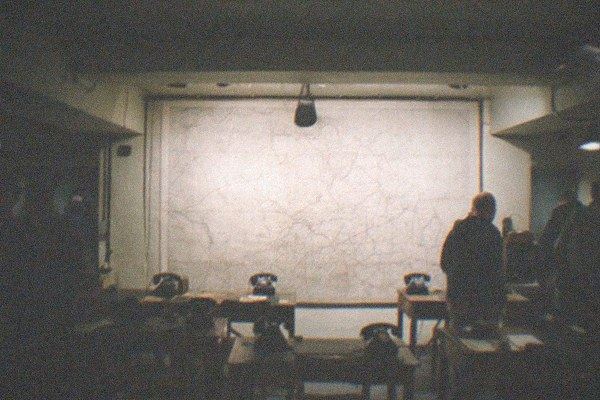
Churchill War Rooms
Westminster, Clive Steps · Preserved Map Room
Underground WWII bunker used by Churchill and the War Cabinet.
from $46.06per person, live price on the listing Check availability →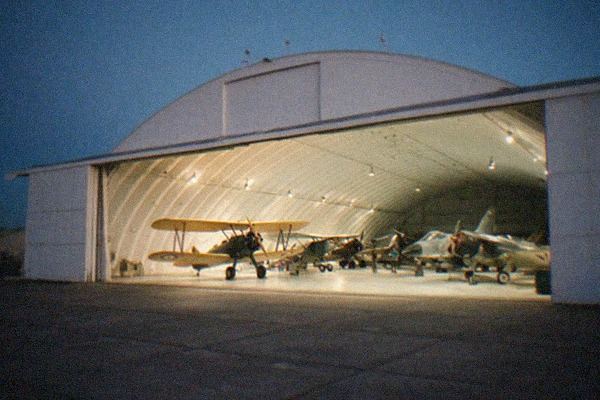
Free entry, no ticket needed.
Iconic aircraft in hangars
Plan your visit →Opens the museum's own visitor page. There is nothing to book: the permanent collection is free.
The RAF Museum in Colindale fills its hangars with historic aircraft and the stories of the people who flew and maintained them. It suits families, aviation enthusiasts and anyone curious about British military history. Entry is free to everyone, all year, with no ticket to pay for.
The RAF Museum is a free aviation museum in Colindale, north London, displaying historic aircraft in original hangars alongside the stories of RAF personnel from the First World War to the present day. Entry costs nothing to anyone, all year round, and no paid ticket is needed to walk in and see the collection.
This is one of those London museums that catches people off guard. Many visitors arrive expecting a modest collection of model aeroplanes and leave having stood underneath full-size bombers, fighters and helicopters spread across several hangars. The site occupies a former airfield, RAF Hendon, and that history shapes everything about the visit. The buildings themselves are part of the story: broad, industrial spaces designed for aircraft, now used to display them at close quarters.
The collection is organised broadly chronologically. You move from the earliest days of military flight, through the Second World War, and on towards the Cold War and modern era. Aircraft are not simply parked in rows. They are set among personal artefacts, film, photographs and recorded testimony, so the machines stay connected to the men and women who built, flew and repaired them.
Because the museum sits slightly outside central London, in the borough of Barnet, it tends to be calmer than the big South Kensington institutions. That space is part of its appeal. You can circle an aircraft, stand back and take in its full span, and do so without a crowd pressing behind you. For families this matters, and for anyone who photographs aircraft it matters even more.
The museum's hallmark is its iconic aircraft displayed in hangars. Historic planes, from early biplanes to jet-age aircraft, are shown at full scale in their original industrial settings. This is what visitors come for and what makes the museum distinct from London's other military and history collections.
The hangars do the heavy lifting here. Unlike a conventional gallery, where objects sit behind glass, these spaces let you walk around and underneath aircraft. You see the rivets, the wear on the fuselage, the sheer physical size of a bomber that once carried a crew across occupied Europe. The intimacy of that encounter is difficult to reproduce elsewhere.
The displays also work hard on the human side of the RAF's history. Exhibitions trace the experiences of pilots, ground crew, engineers and supporting staff across more than a century of service. For visitors whose family members served, this personal framing can be the most affecting part of the museum. The aircraft are the draw, but the testimony and artefacts are what many people remember afterwards.
The scope is genuinely wide. Alongside the famous fighter aircraft most visitors expect, there are trainers, transport aircraft, helicopters and marine craft. If your interest in London's military history extends to the political and intelligence side of the Second World War, the museum pairs naturally with the Churchill War Rooms, which covers the command decisions behind the operations these aircraft flew. The two make a coherent two-day itinerary for anyone working through wartime London.
Entry is free to everyone, all year round, with no paid general admission ticket. Booking is recommended rather than required, so you can arrange a free entry slot before your visit. Under-16s and children are free, though advance booking may be needed for busy periods. Only some special exhibitions or experiences carry a charge.
Because timed entry applies, do not simply turn up and expect to walk in during peak periods. The free entry system exists to manage numbers through the hangars, and on busy days the available slots go earlier than people expect. Booking your free slot in advance is the sensible move, particularly for weekends, school holidays and bank holidays.
The paid extras are limited and clearly separated from the main collection. Some special exhibitions or experiences cost money, and the museum is transparent about which ones. Nothing in the core aircraft display carries a charge. If a temporary exhibition interests you, check the current price on the museum's own site rather than relying on third-party listings, which often carry out-of-date figures.
Families should note the children's arrangement specifically. Under-16s or children get free or reduced entry, and the museum asks that groups with children book ahead for busy periods. This is not a money question, it is a capacity one. The hangars are large but the entry slots are finite, and a family of five arriving at 2pm on a Saturday without a booking may find the remaining slots are gone.
| Entry Route | What It Covers | Cost | Anything To Arrange? |
|---|---|---|---|
| General entry | Permanent aircraft collection and hangars | Free, all year | Yes, timed entry slot required |
| Children (under-16s) | Same collection access as adults | Free or reduced | Advance booking may be needed in busy periods |
| Special exhibitions or experiences | Separate temporary programme | Paid, varies, check the current price on the museum's own site | Book through the museum |
For comparison, this free-entry model is not unique among London's military museums, but it is more generous than some. The Household Cavalry Museum, for instance, charges for its central London galleries. At the RAF Museum, the whole permanent collection costs nothing, which makes it one of the better-value full days out in Greater London.
Allow a minimum of two to three hours, with half a day comfortable for anyone who reads displays properly. Weekday mornings are the calmest time to visit. Opening hours vary by season and day, so confirm current hours on the museum's own site before travelling.
The museum's size catches out visitors who budget an hour. Several hangars sit some distance apart on the former airfield site, and the walking between them adds time that people do not anticipate. Add stops at the aircraft you most want to see, plus time in whichever temporary displays are running, and a short visit becomes difficult. Two hours is the realistic floor. Families with children often stay longer, because the aircraft hold attention well.
For timing, weekday mornings are reliably the quietest. Weekend afternoons bring the thickest crowds, as do school holidays. Because timed entry governs flow, the museum never becomes unbearable, but popular aircraft still gather queues of photographers in peak hours. If you want aircraft largely to yourself, aim for a midweek opening slot at the start of the day.
Seasonally, there is no bad time in principle, because the hangars are enclosed and weather matters mainly for the walk between buildings. Winter weekdays are the quietest of all, at the cost of shorter daylight for the outdoor parts of the site. Check the museum's opening hours on its official site before you plan, because hours and closed days are subject to change and we do not print unverified figures.
| Question | At A Glance |
|---|---|
| Opening hours | On the museum's site |
| Closed days | On the museum's site |
| How long to allow | 2 to 3 hours minimum, half a day comfortably |
| Nearest station | Colindale, Underground, Northern line |
| Address | Grahame Park Way, Colindale, London |
| Entry cost | Free, timed entry slot required |
| Paid extras | Some special exhibitions or experiences, price on the museum's own site |
The museum sits in Colindale, north London, at Grahame Park Way. The nearest Underground station is Colindale on the Northern line, within walking distance of the museum. Drivers will find the location easier to reach by car than most central London museums, though parking arrangements should be checked on the museum's site.
Colindale station is on the Northern line's Edgware branch, which runs from central London through Camden Town and onwards north. From stations along that branch the journey is straightforward, and visitors coming from the West End should expect a ride of roughly forty minutes to an hour, depending on where they start. The walk from the station to the museum entrance is covered on the museum's own website with directions.
Cycling and bus routes serve the area too, and Colindale's position well inside the North Circular makes this one of the more accessible outer-London museums by road. If you are combining visits, note that the Northern line also serves stations useful for other military-history sites in the centre, so an itinerary that starts here can finish in Westminster without changing line. Check current travel information with Transport for London before setting out, as engineering works affect the Northern line at weekends.
Book your free timed entry slot in advance, allow two to three hours, and plan for walking between hangars. The museum is family-friendly, with free or reduced entry for children, though booking ahead is advised for busy periods. Confirm current hours and any bag rules on the museum's own site.
A few practicalities make the visit smoother. The site is large and partly open-air between buildings, so weather-appropriate clothing matters more here than in a single-building museum. Footwear for walking is worth thinking about too. If you are visiting with children, the aircraft themselves do much of the entertaining, but the distances between hangars can tire very young legs.
Accessibility provision and current security arrangements, including any bag policies, are detailed on the museum's official pages, and we do not print unverified specifics here. What we can say plainly: entry is free to all, year round, and the museum's own site is the authoritative source for anything operational. A family ticket costs nothing, a solo visit costs nothing, and the only money you might spend is on some special exhibitions or experiences, food, or the shop.
Photographers should charge their batteries. The hangars' lighting and the aircraft scale reward patience, and quiet weekday slots give you the best chance of frames without other visitors in them. The museum is also a popular destination for school groups, so weekday visitors may share hangars with classes in the mornings.
Colindale sits well north of the centre, so most sensible pairings involve travelling back down the Northern line into central London. The Churchill War Rooms and the Household Cavalry Museum both work well as second stops for visitors building a military-history itinerary around the RAF Museum's free aircraft collection.
Locally, Colindale is residential and quiet rather than touristic. There is little in the immediate vicinity that competes for a visitor's attention, which is arguably the point: the museum is the destination, not one stop on a crowded street. Restaurants and cafés in the area are functional rather than remarkable, so plan accordingly if food matters to your day.
The stronger pairings are thematic. Take the Northern line south and the Churchill War Rooms offer the command-and-decision side of the same wartime story the aircraft hangars tell from the operational side. Visiting both across two days gives you the strategy and the machinery that executed it, a pairing that works for adults and older children alike. For something shorter and more ceremonial, the Household Cavalry Museum covers a different tradition of British service, in a central location that slots easily into a day of sightseeing.
A practical itinerary for a two-day London military-history trip: day one at Colindale, unhurried, with a full morning and lunch on site or nearby; day two in Westminster, starting at the War Rooms and finishing elsewhere in the capital. The contrast between a calm, spacious hangar museum and the busy central institutions is part of the pleasure, and the free entry at Colindale keeps the whole itinerary's cost down to a single paid museum.
Yes. Entry is free to everyone, all year round, and no paid general admission ticket is needed. The permanent aircraft collection and hangars cost nothing to see. Only some special exhibitions or experiences carry a separate charge.
Not strictly. Entry is free and the museum recommends arranging a free slot before your visit rather than requiring one. This is a capacity measure rather than a money one. Advance booking is especially important for weekends, school holidays and other busy periods.
Under-16s and children receive free or reduced entry. The museum advises that advance booking may be required for busy periods, so families should secure their free slots ahead of time rather than arriving without one.
General entry to the hangars and permanent aircraft collection costs nothing. Some special exhibitions or experiences are paid, and prices vary, so check the current price on the museum's own site. Food and the shop are separate purchases too.
Plan for a minimum of two to three hours, with half a day comfortable if you read the displays properly. The hangars sit some distance apart on the former airfield site, so walking time between buildings adds up.
Colindale, on the Underground's Northern line, is the nearest station, within walking distance of the museum at Grahame Park Way. The journey from central London takes roughly forty minutes to an hour depending on your starting point.
Weekday mornings are reliably the calmest time, particularly outside school holidays. Weekend afternoons are the busiest. Timed entry keeps crowds managed, but popular aircraft still draw photographers in peak hours.
Its hallmark is iconic aircraft displayed in full size across its hangars, from early biplanes through Second World War bombers to jet-age aircraft, set among the personal stories of the RAF personnel who flew and maintained them.
Westminster, Clive Steps · Preserved Map Room
Underground WWII bunker used by Churchill and the War Cabinet.
from $46.06per person, live price on the listing Check availability →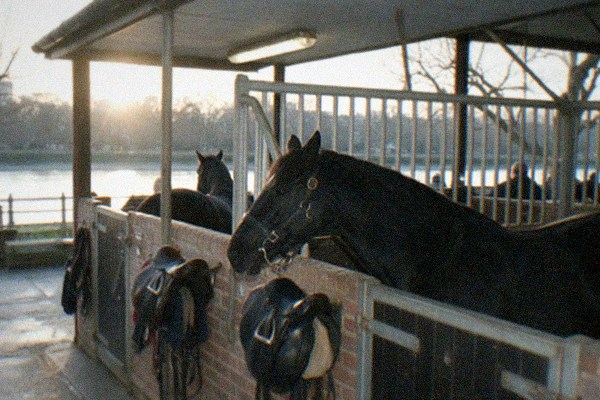
Whitehall · Working stables and ceremonial uniforms.
Regimental artefacts and living history of the Household Cavalry.
from $14.91per person, live price on the listing Check availability →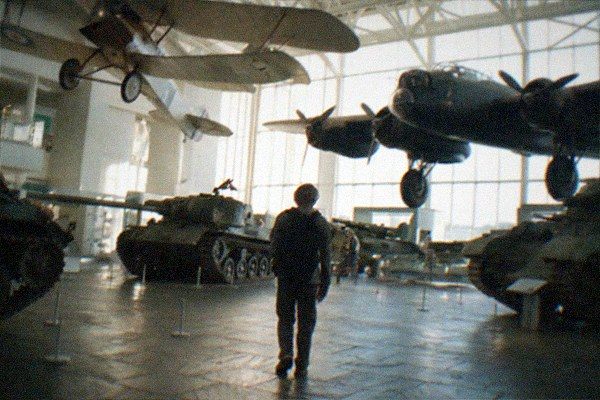
Lambeth, Lambeth Road · Atrium with suspended aircraft and tanks
History of modern conflict, especially the two World Wars.
Free entry, no ticket needed.