Is The London Transport Museum Worth It?
An honest assessment of the London Transport Museum: what is inside, what the ticket covers, how long to allow, and how it compares with nearby alternatives.
 By James Whitfield, London Museums And Travel Writer

Is The London Transport Museum Worth It?
Yes, for most visitors the London Transport Museum is worth it, particularly if you have any interest in design, social history or trains, or if you are travelling with children. Adult admission is GBP 27, under-18s enter free with a free timed ticket, and the collection is genuinely unmatched anywhere else: the world's finest holding of historic London buses, tube trains and transport poster art, all climbable, walkable and largely hands-on.
That is the short answer. The longer one depends on who you are and what else is competing for your day, because Covent Garden sits in the most museum-dense corner of central London and an afternoon there is a zero-sum game. The Transport Museum is not a national collection: it is a single-subject museum devoted to how one city moved people for two centuries, and it leans into that narrowness with real confidence. What you get is a purpose-built gallery of restored vehicles, from horse-drawn omnibuses to vintage tube stock you can sit in, arranged over two light-filled floors around the old Flower Market building's ironwork.
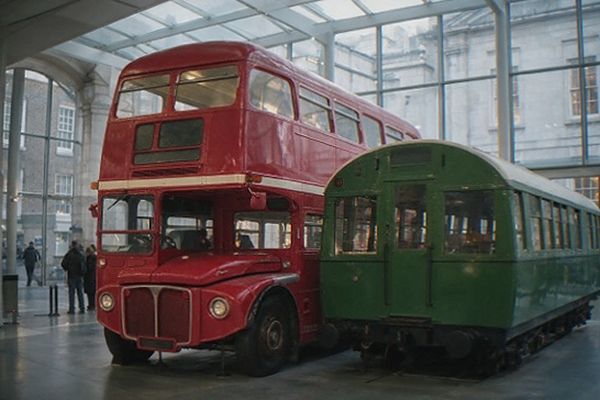
The museum divides opinion less than most paid attractions in London because it delivers exactly what it promises. There is no filler wing, no awkward donation shakedown at the door, and very little that feels roped off purely to protect it from you. Families report long stays; transport enthusiasts report longer ones. The people who leave disappointed tend to be adults visiting solo with no particular interest in the subject, expecting something grander. It is worth being honest about that before you spend GBP 27.
There is also the question of what else you could do with the same money and the same afternoon. London is unusual among European capitals in how many of its great museums cost nothing: the British Museum, the National Gallery, Tate Modern, the V&A, the Science Museum and more are all free to enter, year-round, with no ticket needed. Against that backdrop, any paid museum has to earn its price, and the Transport Museum is one of the few that consistently does. It earns it through access: you do not stand behind a rope looking at a bus, you climb the stairs and sit upstairs.
The museum's own site, ltmuseum.co.uk, is the place to confirm current opening hours and any exhibition changes before you go.
If your reaction to a hall full of Routemasters and Metropolitan Railway stock is anything stronger than mild curiosity, book the slot and go. Here is how the main ticketed options compare:
What Is Actually Inside The London Transport Museum?
The museum's visible core is a large fleet of restored vehicles spanning roughly two centuries of London travel: horse-drawn omnibuses, early motor buses, trams, trolleybuses, tube trains from the earliest days of the underground onward, and the workhorses that kept the network running. Alongside them sit the famous transport poster archives, vintage uniforms, signs, maps and engineering models. Many vehicles are open to climb into.
The layout tells a story in chronological order, and it works. You enter at the top floor, in the age of the horse-drawn omnibus and the steam underground, and descend through electric trams, the birth of the motor bus, the golden age of tube design under Frank Pick, wartime transport, and out into the modern network. The descent mirrors the way London itself dug downward, first for steam, then for electric traction, and the curators make that parallel explicit without hammering it. It is a small piece of narrative craft that most visitors register without consciously noticing: the building itself performs the story of a city going underground.

The poster collection deserves more attention than most visitors give it. London Transport commissioned commercial art on a scale no other operator ever matched, employing painters and illustrators whose work now sells for thousands, and the museum rotates a selection through its galleries. The design heritage is the museum's quiet second act: the roundel, the Johnston typeface, the fabric moquette patterns on the seats. If you have ever noticed that a London bus seat looks like a mid-century sofa, this is the place that explains why. A slow lap of the poster gallery is, for many adult visitors, the highlight of the whole visit, and it costs you nothing extra once you are inside.
For children, the appeal is simpler and stronger. You can board a vintage tube train and sit in the driver's cab of a bus. There is a dedicated play zone for under-sevens, and the All Aboard family galleries let small hands operate ticket machines, dress up in uniforms and pretend to drive. This is why family reviews run so consistently warm: the museum is one of the few paid attractions in London that actively wants its collection touched. The contrast with the rope-and-glasshouse conventions of most transport museums elsewhere in Europe could not be sharper.
The engineering-minded visitor is catered for too. Scale models of stations and tunnels, signal equipment, and cutaway displays explaining how the deep-tube lines were bored through clay sit alongside the pretty vehicles. The museum does not pretend London's transport history was only about the passengers: the people who dug the tunnels, drove the trains and maintained the fleet get their own space, and the labour history is treated as seriously as the poster art. That breadth is what separates a genuinely good museum from a themed photo opportunity.
What Does The Ticket Cover And How Much Does It Cost?
Standard adult admission is GBP 27 at the door, with under-18s free, though they need a free timed ticket. Entry uses timed slots, so booking ahead is genuinely advisable rather than optional. The museum also sells an annual pass version of the ticket at a higher price on its own site; if you might return within a year, that changes the value calculation considerably.
The pricing structure rewards a decision you should make before you arrive: one visit or several. The standard day ticket grants full access to the permanent galleries and whatever temporary exhibition is running. Check the current price and the annual pass option on the museum's own site before you go, because the gap between the two is small enough that a second visit inside a year pays it back outright. Locals know this, which is why the museum's galleries are full of repeat visitors sketching posters or riding the lift with toddlers on a wet Wednesday.

One thing to note about UK museum pricing generally: charity-run venues display a higher Gift Aid price beside the standard one, which includes a voluntary donation. The GBP 27 figure here is the standard price, not the Gift Aid one. Do not be surprised if the counter offers you the higher figure; both are legitimate, but the standard price is the honest baseline for comparison.
Here is what the ticket structure looks like:
| Ticket | Price | Notes |
|---|---|---|
| Adult, standard | GBP 27 | Timed entry, all galleries |
| Under-18s | Free | Requires a free timed ticket |
| Annual pass option | Higher, see museum site | Unlimited returns for a full year |
| Temporary exhibitions | Included in admission | Check what is running before you go |
By way of context, the Transport Museum is one of the pricier single-site museums in central London. The Tower of London charges adults GBP 37 for a far larger site, and the Churchill War Rooms GBP 34, but both of those carry world-famous names. Among specialist museums, the Postal Museum charges GBP 18.50 and the Freud Museum GBP 14.90. What softens the Transport Museum's figure is the free child policy and the annual pass, which together make it a very different proposition for a family of four than for a solo adult. A couple with two teenagers pays GBP 54 in total; the same family at the Tower of London would pay considerably more once child tickets enter the sum.
How Long Should You Allow For A Visit?
Most adults spend between an hour and a half and two hours in the galleries, reading properly rather than walking through. Families with children under ten routinely stay longer, often three hours or more, because the climb-in vehicles and play zones are time sinks in the best sense. If you add the shop and the cafe, plan for a half-day block.
The museum's footprint is smaller than it feels. Because the route winds down through the building and doubles back through side galleries, a brisk walk-through takes under an hour, but almost nobody does a brisk walk-through. The vehicles invite stopping. Sitting in a vintage tube carriage, with its wooden slats and its original advertising frames, tends to turn into a ten-minute stay, and there are a dozen such moments on the route. Add the poster gallery, the film clips and the model displays, and the hours accumulate without effort.
If you are pairing the museum with something else in the area, Covent Garden makes that easy. The piazza, the market halls and the surrounding streets of St Martin's and Seven Dials fill whatever time is left, and the museum's location inside the old Flower Market building puts you directly in the middle of it. For a fuller museum day in the same district, our guide to the best museums in London covers how the Transport Museum slots into a wider itinerary, including the free collections within walking distance.
A practical note on timing your slot: book the earliest entry of the day if you can. The galleries are at their calmest in the first hour, before the Covent Garden crowd thickens and before school groups arrive. Late afternoon on a weekday is the second-best window. The worst combination is a wet Saturday during a school holiday, when every family in Greater London has the same idea, and the climb-in vehicles develop queues.
How Does It Compare With The Nearest Alternative?
The closest true alternative is the Postal Museum in Bloomsbury, which shares the same blend of social history and rideable machinery, charges GBP 18.50, and offers a narrow-gauge train ride through the old mail rail tunnels. The Transport Museum is bigger and broader; the Postal Museum is cheaper and more compact. For pure spectacle, the Tower of London at GBP 37 is in a different category entirely.
The comparison matters because the two museums attract the same families. The Postal Museum's Mail Rail ride, a genuine underground train journey on the original post office railway, is the single best individual experience between the two, and it is included in the admission price. The Transport Museum counters with sheer quantity: more vehicles, more floors, more to touch, and a location inside Covent Garden rather than a side street off Gray's Inn Road. If your children are young enough to love a train ride for its own sake, the Postal Museum punches above its weight; if they want to roam and climb and choose their own adventure, the Transport Museum wins.
| Museum | Adult price | Best for | Time needed |
|---|---|---|---|
| London Transport Museum | GBP 27 | Vehicles, design, families | Up to half a day |
| Postal Museum | GBP 18.50 | Underground train ride, compact visit | Around two hours |
| Tower of London | GBP 37 | Crown Jewels, history, spectacle | Half day |
If your day trip extends beyond central London, the Cutty Sark in Greenwich offers a different kind of climb-inside history, a preserved clipper ship rather than a bus, at GBP 22 for adults. It shares the Transport Museum's philosophy of letting visitors walk through the artifact instead of looking at it, and Greenwich adds the National Maritime Museum and the Queen's House, both free, to the same outing.
And if the question is simply which paid London attraction gives the biggest single impression, the Tower remains the answer, with timed entry and the Crown Jewels drawing the crowds its GBP 37 price reflects. It is not really a competitor to the Transport Museum: one is a royal fortress and one is a bus shed, and most visitors with the budget and the time will eventually do both.
Is It Good For Children And Families?
It is one of the best museums in London for children, and arguably the best paid one. Under-18s enter free, the collection is designed to be climbed into rather than looked at, and the under-sevens play zone absorbs restless energy that most museums simply banish outdoors. Reviews from families consistently mention stays of three hours or more.
The free child ticket is doing a lot of work here. A family with two adults and two children pays the same as two adults visiting alone, which repositions the museum from expensive to competitive in a single stroke. Few paid attractions in London match that: at the Tower of London, children aged 5 to 15 pay GBP 18.50 each, and at the Sherlock Holmes Museum, under-16s pay GBP 14. The Transport Museum's policy effectively subsidises the family visit, and it is the single strongest argument for the venue's value.
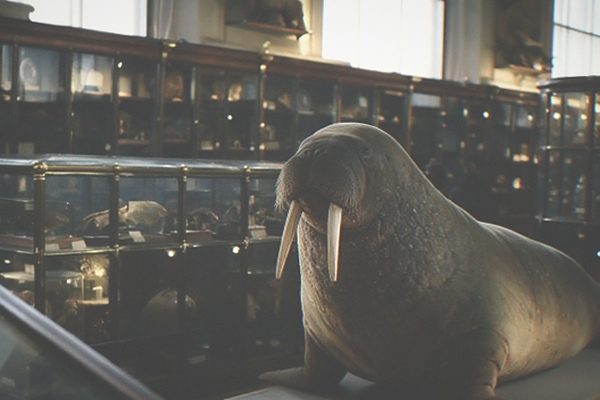
The gallery design helps too. Because the route runs downhill through the building, tired legs are not fighting stairs, and because the vehicles are the exhibits, children are not being pulled away from the things they want to touch. The museum also runs family activities during school holidays, which are listed on the museum's own events pages alongside Transport for London's own heritage pages at tfl.gov.uk.
For parents planning a broader trip, the museum pairs naturally with other child-friendly collections. Our London museums for kids guide places it near the top of the list, and the free Natural History Museum and Science Museum in South Kensington make an obvious second day for the same audience, though their special attractions such as Wonderlab carry their own charges.
When Is The Best Time To Visit?
Weekday mornings, especially term-time weekdays, are the quietest windows and the ones locals use. Weekends and school holidays bring families in force, and the climb-in vehicles queue for attention. Late afternoon on a weekday is the sweet spot for adults: the school crowd has gone home and the galleries empty out.
The museum's Covent Garden location cuts both ways. It puts you in one of the most pleasant parts of central London, and it puts you in one of the busiest. A Saturday afternoon visit means sharing the galleries with a dense crowd, and since the museum's whole appeal is hands-on access, crowds degrade that appeal faster than they would at a look-don't-touch collection. If your schedule allows any flexibility, take a Tuesday over a Saturday. The difference in atmosphere is remarkable for the same ticket price.
Rain is worth a mention because this is London. The museum is fully indoors, which makes it a reliable wet-weather option, and our rainy day London museums page ranks the Transport Museum among the best indoor hours in the city. The irony is that rain increases demand: on a wet weekend the museum fills with exactly the families who would otherwise be in the park, so a rainy Tuesday in term time is the golden scenario, and a rainy Saturday in August is the opposite.
Season matters less than day of the week. The permanent collection does not change with the weather or the calendar, and the temporary exhibition program rotates regardless. The one seasonal factor worth planning around is the school holiday calendar, which is published well in advance: avoid the weeks when Greater London's schools are out if you want the galleries to yourself, or target them deliberately if you want the full family atmosphere, since the museum staffs up its activities precisely for those weeks.
Common Questions About The London Transport Museum
Is the London Transport Museum worth it?
For most visitors, yes. The GBP 27 adult ticket buys access to the world's best collection of historic London vehicles, under-18s go free, and families with any interest in trains or buses routinely stay three hours. Solo adults with no interest in the subject get the least value.
How much does it cost to go to the London Transport Museum?
Standard adult admission is GBP 27. Under-18s enter free but need a free timed ticket. The museum also offers an annual pass version at a higher price, which pays for itself on a second visit within a year.
How long does it take to go through the London Transport Museum?
Adults typically spend an hour and a half to two hours. Families with young children often stay three hours or more because the vehicles can be climbed into and there is a dedicated play zone for under-sevens.
Do children go free at the London Transport Museum?
Yes. Under-18s enter free of charge, though they require a free timed ticket alongside the adult booking. This makes it one of the better value paid museums in London for families.
Do I need to book the London Transport Museum in advance?
Timed entry applies, so booking ahead is recommended, especially on weekends, school holidays and rainy days. Walk-up visits are possible but can mean waiting for the next available slot in busy periods.
Is the London Transport Museum good for toddlers?
Yes. There is a play zone aimed at under-sevens, and the climb-in buses and train cabs suit small children well. The downward route through the building also means no stairs to fight with a buggy.
If Covent Garden is only one stop on a longer museum trip, London Museums covers the full picture of what the city's collections charge and what they hold, including the twenty that cost nothing at all.