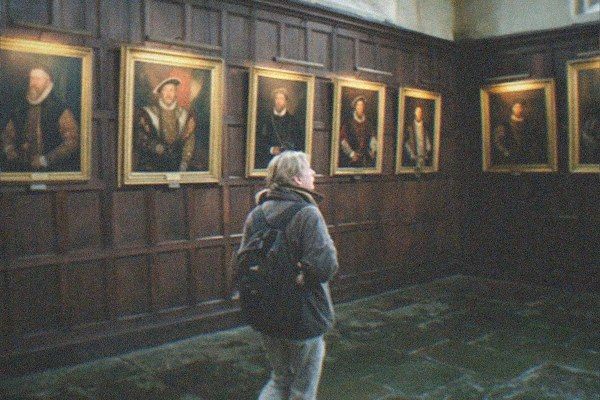
National Portrait Gallery
Westminster, St Martin's Place · Tudor portraits
Portraits of historically important and famous British people.
Free entry, no ticket needed.
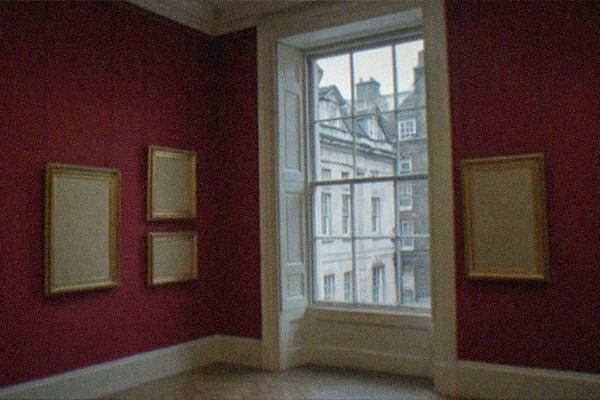
Manet, Monet, Van Gogh, and Gauguin masterpieces.
from $18.97 per person, live price on the listing
Check Price & Availability →Opens the official listing with live dates and prices. Book there; nothing is charged on this site.
The Courtauld Gallery sits inside Somerset House on the Strand and holds one of the world's great collections of Impressionist and Post-Impressionist art. It suits visitors who want star paintings without the scale of a national museum, and who prefer a single, focused building.
The gallery is known for its Impressionist and Post-Impressionist masterpieces, above all paintings by Manet, Monet, Van Gogh and Gauguin. It occupies the fine neoclassical rooms of Somerset House on the Strand, and its collection is compact enough to see properly in a couple of hours.
This is the reason people cross London for it. Where the National Gallery spreads its treasures across acres of floorspace, the Courtauld concentrates a startling number of canonical works into a building you can walk end to end without exhaustion. Manet's last great painting, A Bar at the Folies-Bergère, hangs here, and it alone justifies the trip for many visitors. Around it sit Van Gogh's self-portrait with a bandaged ear, Cézanne's Card Players, Monet's views of the Thames, and Gauguin's Tahitian scenes. The density of famous names per square metre is close to unmatched anywhere in Britain.
The collection grew from the private holdings of Samuel Courtauld, the industrialist and philanthropist who made his fortune in textiles and spent it assembling French painting at a time when British institutions barely collected it. His founding gift, later enlarged by bequests from Roger Fry and Lord Lee of Fareham, still shapes the character of the place: a collector's collection, hung with conviction rather than by committee. You feel that in the rooms. Paintings are grouped so that a single room can carry Renoir, Degas and Monet in one glance.
The gallery reopened in 2021 after a major restoration that returned the Somerset House rooms to something closer to their original proportions. Ceilings were uncovered, walls relined, and the sequence of galleries rethought so the visit now moves coherently from the medieval and Renaissance holdings upstairs, through the great Dutch and Flemish rooms, and into the French nineteenth-century collection that is the beating heart of the place. The building itself, with its grand staircase and river-facing position, is part of the attraction. If you enjoy modern and contemporary art alongside the classics, the Moco Museum in Marble Arch makes a contrasting second stop, and the National Gallery is a short walk away for anyone wanting the fuller story of European painting. The Courtauld's own official site lists current exhibitions alongside the permanent collection.
Every visitor needs a timed-entry ticket, booked in advance for a set arrival slot. The ticket covers the full permanent collection and the temporary exhibitions open on your day. Adult pricing is not fixed publicly on this page, so check the current price on the museum's own site. Under-18s and children enter free or at a reduced rate.
Timed entry is the practical detail that shapes your visit. You choose an arrival window when you book, and the system spreads visitors across the day so the smaller rooms never feel crushed. Turn up inside your window and you can stay as long as you like; the slot governs arrival only. This is why booking ahead is genuinely recommended rather than marketing copy: popular weekend slots, and any day when a headline exhibition is running, can sell out days in advance.
| Ticket Type | What It Covers | Price | Notes |
|---|---|---|---|
| Adult | Permanent collection plus open exhibitions, timed entry | on the museum's site | Advance booking recommended |
| Children / Under-18s | Same as adult ticket | free or reduced | Confirm terms when booking |
| Timed entry slot | Arrival window only, stay as long as you like | included | Required for all visitors |
Some visitors compare prices across reseller listings before deciding where to buy. One major platform lists entry from $18.97 USD per person, with a rating of 4.6 across 182 reviews. Treat that figure carefully: it is a platform from-price in US dollars, not the gallery's own GBP door price, and reseller from-prices often reflect a single ticket tier or a bundled option. The safest way to know what you will actually pay is to check the current price on the museum's own site, where the face-value rates and any concessions are listed plainly.
For readers who simply want the visit done, we include a booking panel on this page that lets you secure a timed slot in a few clicks. Booking through it saves hunting for the right page on a busy institutional website and gives you an instant confirmation. Whatever route you choose, book before you travel, particularly in summer and around school holidays, because the timed-entry system caps numbers for each slot.
Allow two to three hours for a comfortable visit, longer if a temporary exhibition interests you. The gallery is small by London standards, so it rewards slow looking rather than route-marching. Mid-week mornings are the calmest slots, and any visit needs a pre-booked timed-entry ticket regardless of season.
Two hours is realistic for the permanent collection if you move briskly. Three is better. The hang invites lingering: the French rooms in particular repay standing still, because canvases like Manet's bar scene reveal their detail slowly, the mirrors and the crowd behind the bar doing strange things the longer you look. Visitors who love a single painter can happily spend forty minutes in one room and race past the rest, and that is a legitimate way to do the Courtauld.
Timing matters less here than at the giants, but it still matters. Somerset House sits in a heavy tourist corridor, and the gallery absorbs some of that footfall, especially on wet weekends when the courtyard fills up. A weekday morning slot gives you the quietest rooms and the best light in the picture galleries. Winter brings the Somerset House ice rink to the courtyard below, which makes the approach festive but busies the whole building; the gallery itself remains calmer than the courtyard suggests.
| At A Glance | Detail |
|---|---|
| Opening hours | on the museum's site |
| Closed days | on the museum's site |
| Time to allow | 2 to 3 hours |
| Nearest stations | Temple and Covent Garden (Underground), Charing Cross and Waterloo (National Rail) |
| Entry method | Timed entry, advance booking recommended |
| Address | Somerset House, Strand, London |
| What is included | Permanent collection and open temporary exhibitions |
If your day in London mixes eras, the Courtauld pairs naturally with the Tate Modern: start with the Impressionists in the morning, walk or ride down to Bankside after lunch, and finish among the twentieth century. The two collections almost shake hands across the year 1900.
The gallery is inside Somerset House on the Strand, reached in five to ten minutes on foot from Temple or Covent Garden Underground stations, and from Charing Cross by National Rail. Entry is by timed ticket, and accessibility provision exists across the historic building, though the Somerset House site has steps and older fabric worth knowing about in advance.
The approach is part of the pleasure. Somerset House's great courtyard, entered through the Archway from the Strand, is one of the grandest public spaces in central London, and the gallery occupies the north block of the building. Temple station is the closest Underground stop, a short walk up Arundel Street; Covent Garden is barely further but busier to exit. Charing Cross and Waterloo sit on either side of the river for National Rail arrivals, and the walk from Charing Cross along the Strand passes some of the best architecture in the city.
Somerset House is a listed eighteenth-century building, designed by Sir William Chambers, and parts of it predate modern accessibility standards. The gallery has invested heavily since the 2021 restoration, and the courtyard entrances are step-free, but visitors with specific mobility needs should check the current access information on the museum's official site before booking, because historic buildings always have quirks. Staff can advise on lifts, seating in the galleries, and quieter times to visit.
Practical points: large bags and suitcases are generally unwelcome in small picture galleries, and the courtyard has space to pause before entry, so travel light. Photography without flash is normally permitted, but special exhibitions sometimes differ, and the timed slot means late arrivals may wait. There are cafés and restaurants in Somerset House itself, which saves hunting for lunch on the Strand. Allow ten minutes simply for the courtyard and the staircase; they are sights in their own right, and rushing through them wastes the frame the collection sits in.
Inside, the visit moves from medieval and Renaissance rooms, through Dutch and Flemish painting, to the nineteenth-century French galleries where the Manet, Monet, Van Gogh and Gauguin masterpieces hang. The full circuit is a short walk, but the density of major works per room is exceptional, and most visitors slow down in the final third.
The French rooms are the destination most visitors arrive for. Van Gogh's Self-Portrait with Bandaged Ear is arguably the collection's most searched-for single painting, painted in the aftermath of the breakdown in Arles. Cézanne's The Card Players, one of the series, holds a room with his Mont Sainte-Victoire landscapes. Monet's Antibes and his Thames views connect the collection to the city outside the window, since Monet painted the river from a hotel balcony a short walk upstream. Gauguin's Tahitian canvases, including Nevermore, close a sequence that runs from early Impressionism to its most radical offspring.
What surprises many visitors is the older material. The gallery holds a serious group of Renaissance and Baroque works, including paintings by Botticelli, Rubens and Pieter Bruegel the Elder, plus drawings and prints that rotate for conservation reasons. The decorative arts include medieval ivories and Renaissance maiolica. These rooms are quieter, and visitors who skip them miss half the point of the collection: Samuel Courtauld's gift was framed by earlier bequests, and the result reads as one collector's idea of the whole history of art rather than a single burst of French genius.
Temporary exhibitions occupy dedicated spaces and change through the year, focusing on drawings, single painters, or themes from the research institute attached to the gallery. Your entry ticket covers whatever is open on your day. The LVMH Great Room, a restored former library space, is the usual exhibition venue and worth seeing as architecture even when the subject is not your taste. If the French rooms leave you wanting more Impressionism than one building can hold, the National Gallery holds a large parallel collection ten minutes away on foot.
The gallery's Strand location puts the National Gallery, Covent Garden, the Thames path and two river crossings within a short walk. Trafalgar Square is about fifteen minutes on foot, Waterloo is across the bridge, and the South Bank cultural stretch starts a few minutes beyond that. A full day can be built in a one-mile radius.
The obvious pairing is the National Gallery, which holds the other great concentration of Impressionist and Post-Impressionist painting in London, including Monet, Van Gogh, Seurat and Cézanne. Walking there takes you through Covent Garden's piazza and the theatre district, past plenty of lunch options, and the contrast is instructive: the National Gallery gives breadth, the Courtauld gives depth. Do them on separate days if you have the time, because absorbing both in one afternoon blurs them.
Covent Garden itself, two minutes west, needs no museum ticket and rewards an hour of browsing, street performance and the craft stalls in the old market halls. South of the river, Waterloo Bridge, beside Somerset House, gives the finest river view in London, with St Paul's upstream and Parliament downstream. Cross it and you can head to the Tate Modern in twenty minutes on foot along the South Bank, or stop at the Southbank Centre's food markets first.
Two smaller options complete the picture. Somerset House's own courtyard hosts seasonal events, including the winter ice rink and summer fountains that children treat as a paddling pool, so the building can occupy a family before or after gallery time. And the Twinings shop on the Strand, a few doors east, has sold tea from the same narrow premises since 1706; it is a two-minute curiosity that fits neatly before a timed slot. The practical play is simple: book your timed entry for a morning, use the afternoon for one neighbouring gallery or the river path, and let the Strand carry you between them.
Yes. Timed entry is required for all visitors, so you must book a slot before arriving. Popular weekend slots and exhibition periods can sell out days ahead, so advance booking is recommended rather than optional.
Adult pricing is not fixed on this page, so check the current price on the museum's own site. Some reseller platforms list entry from $18.97 USD per person, but that is a platform from-price, not the gallery's GBP door price. Under-18s enter free or at a reduced rate.
Children and under-18s enter free or at a reduced rate, which makes it a reasonable family option. The gallery is compact, so children are not facing an exhausting trek, though the collection is classical painting rather than hands-on display, so it suits older children best.
Allow two to three hours for a comfortable visit to the permanent collection, longer if a temporary exhibition interests you. The timed-entry slot governs your arrival window only, so you can stay as long as you like once inside.
It is known for its Impressionist and Post-Impressionist masterpieces, above all works by Manet, Monet, Van Gogh and Gauguin. Manet's A Bar at the Folies-Bergère and Van Gogh's Self-Portrait with Bandaged Ear are among the most famous paintings on show.
It is inside Somerset House on the Strand in central London. Temple and Covent Garden are the nearest Underground stations, each a short walk away, and Charing Cross serves National Rail. The entrance is reached through the great courtyard off the Strand.
Yes. Your timed-entry ticket covers the permanent collection plus any temporary exhibitions open on the day of your visit, so there is normally nothing extra to pay once you are inside the gallery.
The National Gallery is about fifteen minutes away on foot and holds a large parallel collection of Impressionist painting. The Tate Modern is reachable across Waterloo Bridge in around twenty minutes. Both can be linked to a Courtauld visit in a single day.
Westminster, St Martin's Place · Tudor portraits
Portraits of historically important and famous British people.
Free entry, no ticket needed.
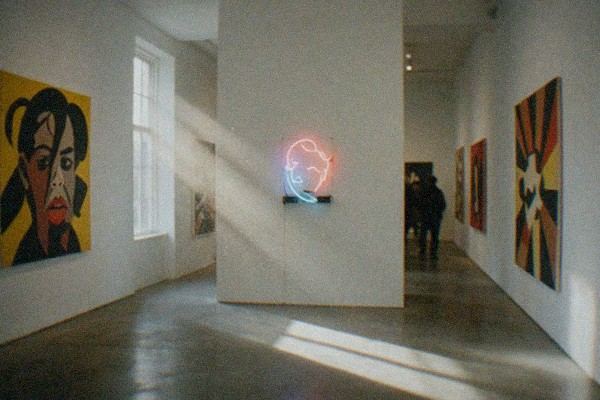
Marble Arch · Immersive digital and street art experiences.
Modern and contemporary art with Banksy, Basquiat, Warhol, Kusama.
from $31.02per person, live price on the listing Check availability →
Bankside, Bankside · Turbine Hall installations
Major collection of modern and contemporary art in a former power station.
Free entry, no ticket needed.