War Museums In London: The Bunker, The Warship And The Free Giants
London's war museums split into two camps that surprise most visitors: the Imperial War Museum is free, while the Churchill War Rooms charge GBP 34. Here is what each one holds, what it costs, and how to fit the best of them into one day.
 By James Whitfield, London Museums And Travel Writer
Short answer
London's best war museums are the free Imperial War Museum in Lambeth, the Churchill War Rooms at GBP 34 adult, the Household Cavalry Museum at GBP 11, and the Tower of London at GBP 37. The National Maritime Museum and RAF Museum are free too. Only the paid sites need booking ahead.
The Imperial War Museum on Lambeth Road costs nothing to enter. The Churchill War Rooms, two miles away under Westminster, charge GBP 34 for an adult. Both cover the same war, both hold objects you will remember for years, and the price gap between them catches nearly every first-time visitor off guard. That gap is the single most useful thing to understand before planning any war history trip to London, because it decides where your money goes and where your time does.
This guide covers the whole spread: the free giants, the paid bunkers and warships, the small regimental collections, and how to combine them. The short version is that London Museums tracks 48 museums across the city, and the war-related ones range from a six-pound ship on Bankside to the Crown Jewels at the Tower. Twenty of those 48 museums charge nothing at all, and several of the best free ones are war museums, which is why this city rewards visitors who plan by theme rather than by ticket price.
What Are The Best War Museums In London?
The best war museums in London are the Imperial War Museum (free), the Churchill War Rooms (GBP 34 adult), the Household Cavalry Museum (GBP 11 adult), the National Maritime Museum (free), the RAF Museum (free), and the Tower of London (GBP 37 adult). Each covers a different slice of British military history, from trench warfare to cavalry ceremony to royal fortress history.
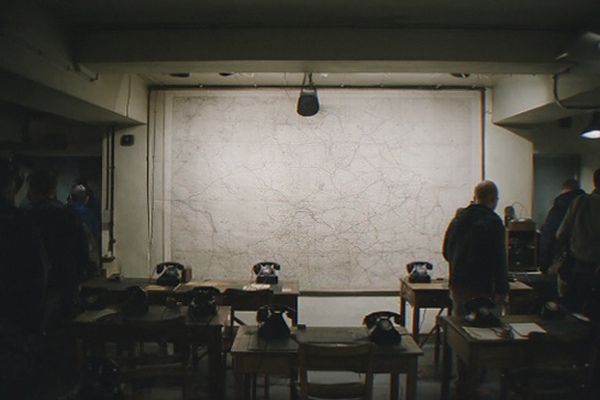
That list is deliberately mixed. The Imperial War Museum is the encyclopedic one, covering conflict from the First World War to the present across multiple floors. The Churchill War Rooms are the atmospheric one: the actual bunker complex where the wartime Cabinet ran the conflict, preserved with maps still pinned to the walls. The Household Cavalry Museum is small and ceremonial, built around the working stables of the mounted regiments on Whitehall. The National Maritime Museum in Greenwich tells the naval story, and the RAF Museum in Colindale holds the aircraft.
The Tower of London sits in a different category again. It is not a war museum in the strict sense, but it is the country's oldest military installation, a working garrison for a thousand years, and it holds the armouries and the Crown Jewels. Most war history visitors end up there whether or not they planned to, because a fortress that has guarded the river crossing since the Norman conquest is impossible to leave off a military itinerary.
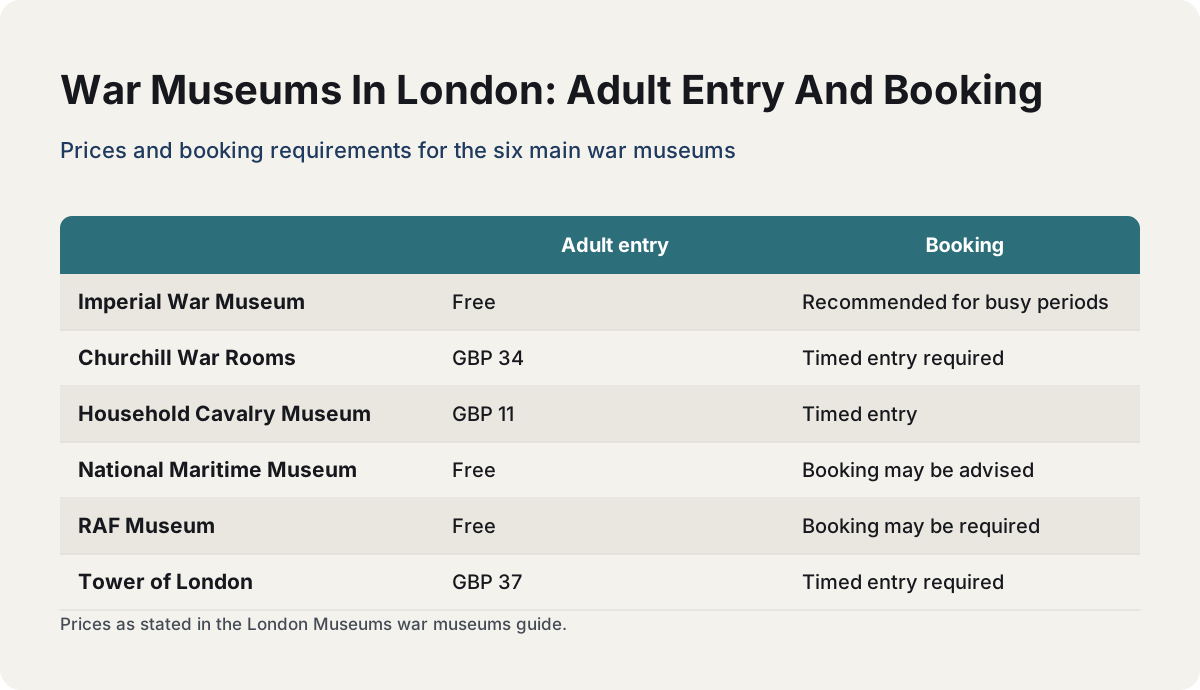
Here is the price picture at a glance, using each venue's own standard adult door price:
| Museum | Neighbourhood | Adult entry | Booking |
|---|---|---|---|
| Imperial War Museum | Lambeth | Free | Recommended for busy periods |
| Churchill War Rooms | Westminster | GBP 34 | Timed entry required |
| Household Cavalry Museum | Whitehall | GBP 11 | Timed entry |
| National Maritime Museum | Greenwich | Free | Free entry, booking recommended |
| RAF Museum | Colindale | Free | Free entry, booking recommended |
| Tower of London | Tower Hill | GBP 37 | Timed entry required |
One more thing worth knowing before you pick: most of these museums are open on Mondays, which sets London apart from Paris and Amsterdam, where Monday closures are routine. If your trip starts on a Monday, London is the city where the war museums still work for you.
Why Is The Imperial War Museum Free When The Churchill War Rooms Are Not?
The Imperial War Museum is free because it is a national museum funded largely by government grant, so its permanent collection costs nothing to enter. The Churchill War Rooms are run by the same charity but sit on a separate, much smaller site that charges GBP 34 per adult to fund its upkeep. Same organisation, different economics.
This is the fact that surprises people most, and it is worth understanding before you budget. The Imperial War Museum's Lambeth building is one of London's great free museums, in the same funding family as the British Museum and the National Gallery. You can walk in, spend three hours with the First World War galleries and the Holocaust exhibition, and pay nothing. Only temporary exhibitions and some events carry a charge.
The Churchill War Rooms, by contrast, occupy a cramped underground complex beneath the Treasury. Visitor numbers are capped by the physical space, conservation costs are high because the rooms are preserved rather than reconstructed, and ticket revenue keeps the site open. The two 15-inch naval guns flanking the entrance give a hint of what is inside. The museum's own site sets out both sites under one umbrella, which is the clearest way to see the funding split for yourself.
The practical takeaway: do the Imperial War Museum on a whim, and book the War Rooms deliberately. If you are weighing the War Rooms against other paid stops, the war museums guide roundup places it among the city's essential paid visits, and our three day museum itinerary slots it into a Westminster morning alongside the Household Cavalry. Both pages assume the same logic this one does: spend money where the space is finite, and take the free giants as they come.
How Much Do Churchill War Rooms Tickets Cost?
A standard adult ticket to the Churchill War Rooms costs GBP 34 at the door, with children aged 5 to 15 at GBP 17 and under-5s free. Timed entry is required, so you choose a slot when you buy. Booking platforms list it from $46.06 USD, and it holds a 4.6 rating across 447 reviews.
The ticket includes the audioguide, which is genuinely central to the visit here rather than an optional extra. You walk the corridor where Churchill slept, the Cabinet Room where the map on the wall still shows the pins, and the Transatlantic Telephone Room disguised as a toilet. Most visitors spend a couple of hours underground, longer if you listen to every audioguide stop, and the low ceilings and red-baize doors do more for the atmosphere than any reconstruction could.
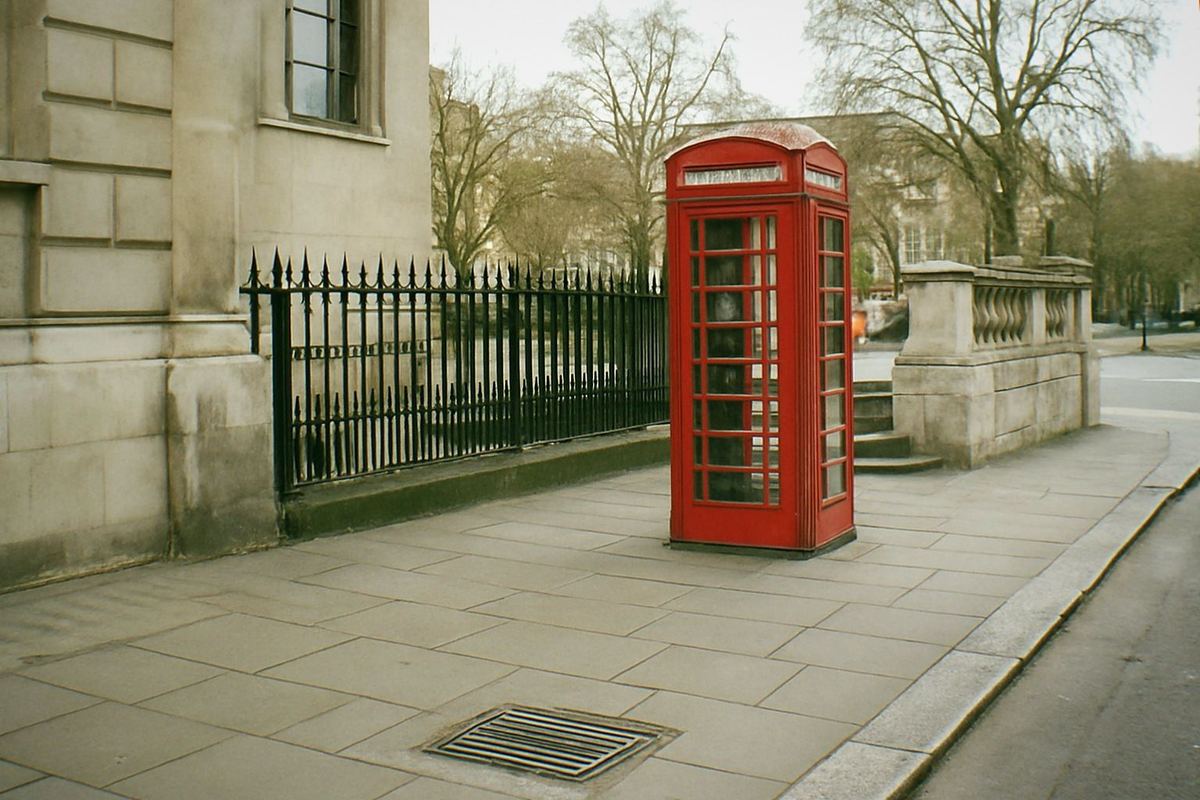
Weekend slots go first, and school holidays compress availability badly. The light nudge is simply that: if you know your dates, pick a slot early rather than turning up on the day. The Clive Steps entrance sits a short walk from Westminster stations, so it drops neatly into any central London morning. Our full Churchill War Rooms worth-it review goes deeper on what the ticket buys you, including how the audioguide shapes the visit.
Because the War Rooms sit at the heart of the Westminster cluster, they anchor the single best war history morning in the city. The Household Cavalry Museum and the Cenotaph are both within walking distance, and the Tower of London is a short Tube ride east. If the bunker is the one paid site you are certain about, it makes sense to secure that slot first and build the rest of the day around it.
What Can You See At The Household Cavalry Museum?
The Household Cavalry Museum on Whitehall costs GBP 11 for adults, GBP 8 for children aged 5 to 15, and shows the working stables of the Household Cavalry through a glass partition, plus uniforms, trophies and ceremonial armour. Under-5s enter free. It is the smallest of the paid war sites, and most visits last under an hour.
The unusual thing here is that the museum sits inside the Horse Guards building, and the stables are live. Horses are groomed, fed and shod on the other side of the glass while you browse the displays, which makes it the only London war museum where the exhibits are actively working. The collection covers the regiments' history from the Restoration era through Waterloo to the present day, with ceremonial uniforms, drums and armour among the standouts.
It pairs naturally with the Changing of the Guard route, since Horse Guards sits between Trafalgar Square and St James's Park. Visitors over 60 pay GBP 9.50, which is one of the few senior concessions among London's smaller museums. Our Household Cavalry worth-it piece weighs the ticket against the free alternative of simply watching the sentries outside, and the honest answer is that both have a place in a Westminster day.
Is The Tower Of London A War Museum?
The Tower of London is not a war museum in the strict sense, but it is Britain's oldest military site: a 1,000-year fortress, arsenal, garrison and prison. Adult entry is GBP 37, children aged 5 to 15 pay GBP 18.50, and timed entry is required. It holds 4.5 stars across 1,789 reviews and appears on most war history itineraries anyway.
The armouries in the White Tower display the royal arms collection, one of the finest anywhere, including Henry VIII's tournament armour. The fortress walls, the ravens, the Yeoman Warders and the Crown Jewels round out a visit that covers siege warfare, medieval military engineering and the history of the garrison. For a war-focused visitor the White Tower and the walls are the point; the Jewels are the bonus.
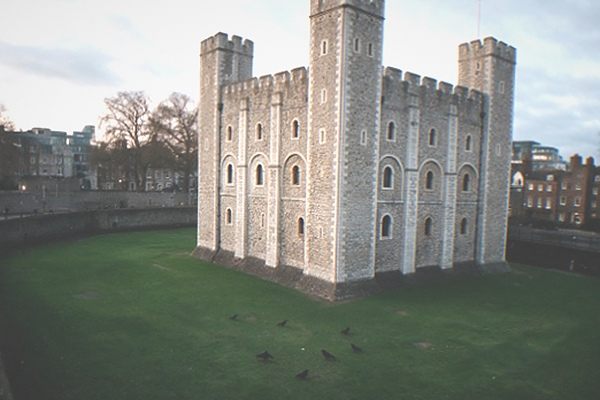
At GBP 37 it is the most expensive item on this list, and it deserves a half day rather than an hour. The wall walk alone takes time, and the Yeoman Warder tours are included with entry and worth joining if one is starting as you arrive. If you are deciding whether the price is justified, our Tower of London ticket cost breakdown and the online versus door price comparison cover the numbers in detail, including whether you need to pay extra to see the Crown Jewels.
Which Free War Museums Are Worth Your Time?
Three free war museums in London are worth planning around: the Imperial War Museum in Lambeth, the RAF Museum in Colindale, and the National Maritime Museum in Greenwich. All three cost nothing for permanent entry, and all three are open on Mondays, which most visitors do not expect. Only their temporary exhibitions and events charge.
The RAF Museum is the sleeper hit. Colindale is far from the centre, but the hangars hold a Lancaster, Spitfires, a Hurricane and a Vulcan, with free entry and under-16s admitted free too. Timed entry is required even for free visits, so book the free ticket before travelling out there. The National Maritime Museum anchors the Greenwich cluster, covering Nelson, Trafalgar and the whole naval dimension of British warfare. Its own Royal Museums Greenwich site covers the free-entry policy and what still charges.
Two smaller free options round out the list. The London Museum Docklands at Canary Wharf includes the Docklands at War gallery, covering the Blitz on the East End, and advance booking is recommended there. The Imperial War Museum's family offer is strong too, and our museums for kids guide notes which galleries suit younger visitors. Free does not mean second-rate here; it means government-funded, and the difference shows in the scale of the collections.
| Free war museum | Nearest Tube | What to see | Time needed |
|---|---|---|---|
| Imperial War Museum | Lambeth North | First World War galleries, Holocaust exhibition | 2-3 hours |
| RAF Museum | Colindale | Lancaster, Spitfires, Vulcan bomber | 2-3 hours |
| National Maritime Museum | Cutty Sark | Nelson's coat, Trafalgar displays | About 2 hours |
| London Museum Docklands | Canary Wharf | Docklands at War gallery | 1-1.5 hours |
What Warships Can You Visit In London?
The main warship visit in London is the Cutty Sark in Greenwich, a Victorian tea clipper at GBP 22 adult entry, listed from $29.8 USD with 4.7 stars across 371 reviews. The Golden Hinde near Bankside is a full-scale reconstruction of Sir Francis Drake's galleon at GBP 6, and the HMS Belfast is the other option, though it is outside this site's roster.
The Cutty Sark is not a warship in the naval-combat sense, but it sits in the heart of the Greenwich maritime story and its survival is itself a tale of fire and restoration. Children aged 4 to 15 pay GBP 11 and under-4s go free, with timed entry required. The Golden Hinde is the budget pick: six pounds for adults and children alike, under-3s free, and you can walk the gun deck of an Elizabethan warship for less than the price of a sandwich.
Greenwich is where the naval thread comes together. The Cutty Sark, the National Maritime Museum and the Queen's House sit within a short walk of each other, and our Greenwich museums guide lays out a full day there. The palaces and historic royal sites organisation covers the Tower and related sites if you are building a wider itinerary that stretches beyond the river.
How Do You Plan A War History Day In London?
Plan around two clusters: a Westminster morning combining the Churchill War Rooms and the Household Cavalry Museum, or a Greenwich day built on the National Maritime Museum and the Cutty Sark. The Imperial War Museum works as a standalone half day in Lambeth. Book the paid sites ahead, leave the free ones open.
The Westminster pairing is the tightest. The War Rooms sit at Clive Steps on King Charles Street, and the Household Cavalry Museum is a short walk up Whitehall. Do the War Rooms first at opening, when the corridors are quietest, then the stables, then Horse Guards Parade and the Cenotaph, which stand on the same axis. That is a full morning inside a compact stretch of central London, with the Cabinet War Rooms underground and the cavalry above ground giving you both faces of the wartime state.
The Greenwich day is cheaper and slower. Arrive by boat or the DLR, do the Maritime Museum, then the Cutty Sark, then the Royal Observatory if your legs hold out. Families should note the child prices below before deciding which cluster suits the budget, because the Greenwich day costs a fraction of the Westminster one once you subtract the bunker ticket.
| Site | Adult | Child | Under-5s |
|---|---|---|---|
| Churchill War Rooms | GBP 34 | GBP 17 (5-15) | Free |
| Household Cavalry Museum | GBP 11 | GBP 8 (5-15) | Free |
| Tower of London | GBP 37 | GBP 18.50 (5-15) | Free |
| Cutty Sark | GBP 22 | GBP 11 (4-15) | Free |
| Golden Hinde | GBP 6 | GBP 6 (3-16) | Free |
One planning note that saves money: none of the free sites require a paid ticket, but several recommend a free timed booking for busy periods, and the advance-free-ticket pattern is common across London's big museums. Check each museum's own site for the current policy rather than assuming. For rainy days, the rainy day museums guide ranks which of these sites work best when the weather turns, and the answer mostly favours the indoor giants over the ship decks.
A final word on pacing. War museums are heavy going in a way that art galleries are not, and the Holocaust exhibition at the Imperial War Museum in particular deserves to be the last thing you see that day rather than the first. Two paid sites and one free museum is a full day for most people. Three is a mistake, and the visitors who enjoy London's war history most are the ones who leave something for the next trip.
A Free Walk That Passes These Museums
Not every way to see London costs money. A free, pay-what-you-want walking tour passes Churchill War Rooms: London Essentials - London in under two hours Free Walking Tour runs 2h and is rated 4.78 across 5,239 reviews. It meets at Wellington Arch at Hyde Park Corner, on the raised grass about fifty feet from the arch. The guide carries a black umbrella and a name tag reading Theo. Booking costs nothing and the guide is tipped at the end, which is the arrangement rather than a hidden charge. There are 48 of these walks across London, and another covers a different part of the centre.
Common Questions About War Museums In London
Is the Imperial War Museum in London free?
Yes. The Imperial War Museum on Lambeth Road is free to enter year-round, with under-16s also admitted free. Only temporary exhibitions and some events carry a charge. Advance booking is recommended for busy periods but is not required for the permanent collection.
How much are Churchill War Rooms tickets?
A standard adult ticket is GBP 34, with children aged 5 to 15 at GBP 17 and under-5s free. Timed entry is required. Booking platforms list it from $46.06 USD, and it carries a 4.6 rating across 447 reviews.
Is the Household Cavalry Museum worth the ticket?
At GBP 11 for adults it is one of the cheaper paid war sites, and the live stables behind glass are unique in London. Most visits last under an hour, so it suits a Westminster morning alongside the Churchill War Rooms rather than as a destination on its own.
Are London war museums open on Mondays?
Most London museums, including the war-related ones, are open on Mondays, unlike museums in Paris and Amsterdam. Check each venue's own site for specific closure days before travelling, as schedules shift between seasons.
Do you need to book the Tower of London in advance?
Timed entry is required, and adult tickets cost GBP 37 at the door. Buying online in advance is usually the smoother route, and our ticket cost comparison covers the online versus on-the-day difference in detail.
Which London war museums are best for children?
The Imperial War Museum and RAF Museum are free for children and hold aircraft, tanks and interactive galleries. The Cutty Sark charges GBP 11 for ages 4 to 15, and the Household Cavalry Museum's live horses appeal to younger visitors. Under-5s go free at every site listed here.