Natural History Museum
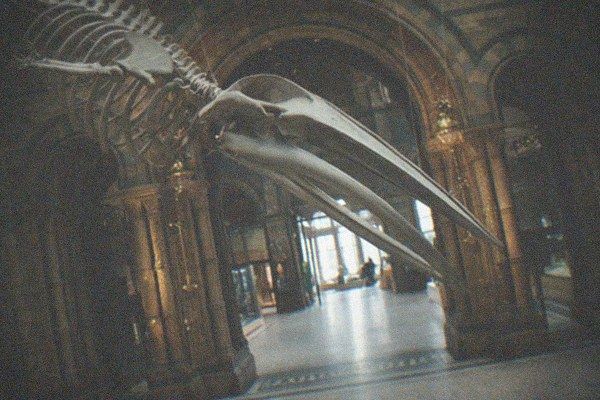
South Kensington, Cromwell Road · Hope the blue whale skeleton in Hintze Hall
Vast collection of natural specimens including dinosaurs, mammals, and minerals.
Free entry, no ticket needed.
Free entry, no ticket needed.
Aquarium and gardens
Plan your visit →Opens the museum's own visitor page. There is nothing to book: the permanent collection is free.
The Horniman Museum sits on London Road in Forest Hill, South London, and costs nothing to enter. It holds natural history, anthropology and music collections, plus sixteen acres of gardens and a small aquarium. It suits families, anyone tired of central London crowds, and visitors who want a half day out rather than a marathon.
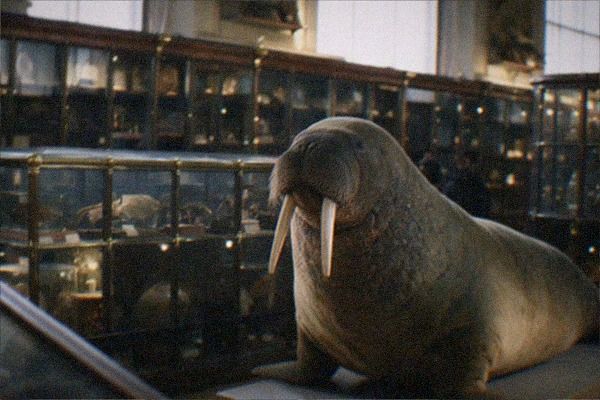
The museum's centrepiece is its overstuffed walrus, sitting in a natural history gallery packed with taxidermy, skeletons and a large butterfly house in the surrounding grounds. Alongside that you get anthropology and music galleries, an aquarium of modest size, and gardens with a bandstand, animal walk and panoramic view over London.
Let's start with the thing most people come for. The Horniman is known for two things above all: the aquarium and the gardens. The aquarium is small, but it is genuinely good, with tanks covering UK coastal waters, coral reefs, mangroves and a jellyfish display. It sits in a basement level of the main building and can be walked through in twenty minutes or lingered in for an hour if you have children with you. It is also one of the few parts of the museum that still carries a charge, which we cover below.
The natural history gallery is the other big draw. It has barely changed its character in a century, and that is part of the charm. Rows of display cases, a taxidermy fox mid-pounce, and at the centre of it all the famous walrus, stuffed so tightly in the Victorian era that it has no wrinkles at all. It is a museum of a museum, in the best sense. Children respond to it instantly because everything is visible at once, no screens required, though there are interactive elements scattered around for those who want them.
Upstairs and across the adjoining buildings are the anthropology and music collections. The music galleries hold around 8,000 instruments from around the world, many of them playable in digitised form, and the World Gallery displays objects from cultures across every continent. Both are included in free entry. A walk-through of the whole main building takes about an hour and a half at a steady pace, longer if you read case labels properly.
The gardens deserve their own mention because for many local visitors they are the main event. Sixteen acres wrap around the museum on a hillside: a formal flower garden, a food garden, a small animal walk with alpacas and goats, a bandstand from 1936, and a viewpoint that looks out across South London toward the City. On a clear day the skyline is laid out in front of you, and it costs the same as everything else here: nothing. The grounds are open to walk in even if you never go inside the building.
If your interest is natural history specifically and you are also considering the big South Kensington institutions, read our guide to Natural History Museum tickets and visiting for comparison. The two museums suit different moods: the Horniman is compact, quirky and local, the other is vast and international.
Entry to the Horniman Museum is free to all, year round, and no ticket is needed for the permanent galleries and gardens. The exceptions are some temporary exhibitions, the aquarium and certain events, which carry separate charges. For those paid items, check the current price on the museum's own site before you travel.
This is a genuine free museum, not a suggested-donation museum, and not one of those places where the free entry covers a single corridor while everything interesting sits behind a paywall. The natural history gallery, the World Gallery, the music galleries, the gardens, the animal walk and the butterfly house (in season) are all free. You can walk in off London Road, put your bag through any checks in operation, and start looking at things without paying anyone anything.
The aquarium is the main recurring charge. Beyond that, the museum hosts touring and temporary exhibitions, plus ticketed events such as concerts on the bandstand and seasonal family activities. Prices for these change from month to month, so this page will not print a figure that may be stale by the time you read it. The museum's own site at horniman.ac.uk lists current charges for every paid item, and that is the only source worth trusting on the day.
Children go free. Under-18s do not pay for the paid items that carry a family price structure, and for some popular events and activities the museum advises advance booking even when entry itself remains free, simply because capacity is limited. If you are turning up specifically for an event, book that event ahead. If you are turning up for a general visit, you do not need to do anything at all in advance.
Here is the full price picture in one place:
| Item | Cost | Notes |
|---|---|---|
| Permanent galleries and displays | Free | No ticket needed, year round |
| Gardens, animal walk, grounds | Free | Open to all visitors |
| Aquarium | Paid | Check the current price on the museum's own site |
| Temporary exhibitions | Some paid | Varies by exhibition; prices on the museum's site |
| Ticketed events and activities | Paid | Advance booking may be advised |
| Children (under-18s) | Free | Applies to entry and children's pricing on paid items |
One honest comparison worth making: free-entry museums in London range from the colossal to the compact. If you are planning a multi-museum trip, the Royal Observatory, a short rail hop away, is the opposite case: an attraction with paid entry. Our Royal Observatory Greenwich ticket guide breaks down what you get for the charge there, useful if you are weighing up a South London day.
Allow two to three hours for the main building and a quick look at the gardens, or a full half day if you add the aquarium and a proper wander through the grounds. Mornings are quieter than afternoons, and weekend afternoons are the busiest slot of the week, especially in the school holidays.
The museum is not large. The main building can be walked end to end in a few minutes, and a first visit moves at the speed of your interest in the cases. If you only care about the walrus and the World Gallery, ninety minutes covers it. If you have children who want the aquarium, the animal walk, the play areas and probably an ice cream, budget for the whole afternoon and accept that the plan will dissolve.
Opening hours are not printed on this page because we only publish verified figures, and hours change with seasons and staffing. Check the current hours on the museum's own site before travelling. What we can say with confidence is the shape of the week: it is busiest on wet weekend afternoons, when local families descend on the indoor galleries, and quietest on weekday mornings. Term-time weekdays are the calmest of all if you have flexibility.
The gardens change character through the year. The food garden and flower beds are at their best from late spring through summer, the butterfly house opens in the warmer months, and the viewpoint is worth the climb in any weather that permits seeing the skyline. There is no bad season for the indoor collections, which is precisely what makes this a reliable rainy-day plan for South East London.
A sensible pairing for a full day out: the Horniman in the morning, lunch in Forest Hill's independent cafes along Dartmouth Road, then the Overground or rail to Greenwich for the Observatory and the park in the afternoon. The two sit on the same broad hillside of South London and connect without ever needing to cross the river.
The Horniman Museum is on London Road in Forest Hill, South London, at grid reference 51.44218, -0.06132. Entry is free year round with no ticket needed; the aquarium, some exhibitions and some events are the paid exceptions. Allow two to three hours, or half a day with the gardens.
| Detail | Information |
|---|---|
| Location | London Road, Forest Hill, London |
| Coordinates | 51.44218, -0.06132 |
| Entry cost | Free, year round, no ticket needed |
| Paid extras | Aquarium, some exhibitions, some events |
| Children | Free; advance booking may be advised for some activities |
| Opening hours | On the museum's site |
| Closed days | On the museum's site |
| Nearest station | Forest Hill (Overground and National Rail) |
| Time to allow | 2 to 3 hours; half a day with gardens |
| What is included free | Permanent galleries, gardens, animal walk |
| Official site | horniman.ac.uk |
Forest Hill station is served by London Overground and National Rail services, and the museum is a five to ten minute walk up the hill from the station forecourt. That walk is genuinely uphill, so visitors with mobility issues or pushchairs should note the gradient in advance. Buses also run along London Road and stop within sight of the main gates.
The station-to-museum walk is one of the few genuine access considerations at the Horniman. South London sits on hills, and the museum is built on one, which is why the garden view is so good. Once you are at the top, the main building is accessible, with level access at the entrance, lifts between floors and accessible toilets, though the historic character of parts of the building means some routes are easier than others. The gardens have a mix of paved paths and grassed slopes, and the steep sections of the grounds will defeat some wheelchair users. Details of current accessible facilities are published on the museum's own site and are worth a read if you have specific needs.
Travel light, check the weather, and turn up without a ticket. Entry needs no booking, the nearest station is Forest Hill, a short uphill walk away, and the paid extras, chiefly the aquarium, need current prices checked on the official site rather than assumed from older guides.
Getting there is straightforward. Forest Hill station connects to the London Overground network, meaning visitors from East London, the New Cross area or Clapham Junction side can arrive without changing at a central terminus. National Rail services also call there. From the station the route to the museum is signposted and takes most walkers under ten minutes, though as noted it climbs. Cyclists will find the same hill honest work and secure parking on the museum site is limited, so a lock and a plan B are advisable. There is a car park at the museum, but spaces are limited and the surrounding streets fill quickly on weekends, so arriving by rail is the recommended option.
Bags: the museum operates security checks of the kind now standard across London's museums, and large luggage may be refused or need to sit in a buggy store. There is no formal left-luggage facility advertised for bulky suitcases, and this is a museum best visited without one. The general rule that applies across London's free museums, from the Horniman to the Natural History Museum, is that day rucksacks are fine and anything you would check into an airline hold is not.
Food and facilities: there is a cafe on site, and the gardens are popular for picnics in warm weather, with grassed areas families spread across all summer. Forest Hill's high street, a few minutes downhill, has the fuller range of cafes, bakeries and pubs, and it has become one of South East London's better eating streets in recent years. Toilets and baby-changing facilities are inside the main building.
Photography is permitted in most of the permanent galleries, subject to the usual exceptions around temporary exhibitions and flash restrictions near live animals in the aquarium. If you are writing about the visit or shooting anything for publication, check the museum's photography policy on its own site first. The aquarium in particular has rules about flash because of the sensitivity of some of the livestock.
A final practical note on timing your arrival: because there is no ticket and no queueing system for entry, the front door can back up at peak times, typically wet Saturday afternoons and holiday weekdays. The queue moves quickly, but arriving before midday removes the wait entirely. If your plans include a specific paid exhibition or event, book that in advance and arrive with time in hand, since the entry queue applies to everyone, ticket holders included.
Greenwich is the obvious pairing, reachable in twenty minutes by rail from Forest Hill, with the Observatory, the park, the Cutty Sark area and the National Maritime collections all in one walkable stretch. Closer to hand, Forest Hill and neighbouring Honor Park, Nunhead and Dulwich offer cafes, parks and a village-scale charm that suits a whole day in South East London.
The classic Horniman day out ends in Greenwich. From Forest Hill station the rail connections run toward the river, and once there you have the full set: the historic centre, the park's famous hill, and the home of GMT. The Royal Observatory sits at the top of that hill and carries a paid entry, which is why our Royal Observatory Greenwich tickets guide is worth a read before you commit, since it is one of the few paid attractions in an otherwise free-feeling Greenwich day. The Meridian Line, the planetarium and the view down across the Queen's House and Maritime Museum are the draw, and the maritime museums themselves are free.
If you would rather stay on the Horniman side of the hill, Dulwich is the strongest nearby option, with Dulwich Picture Gallery, one of London's loveliest small art museums, set in a village atmosphere with good pubs. It is a short bus ride from Forest Hill. Nunhead Cemetery, one of the Magnificent Seven Victorian cemeteries, is a ten minute walk from Forest Hill station in the other direction and is an unexpectedly beautiful place for a quiet hour if overgrown Victorian gothic appeals.
Back in Forest Hill itself, the Horniman is not the only cultural stop. The neighbourhood has galleries and live music venues of its own, plus the food scene mentioned earlier. If you have children in the party, the museum's own animal walk and the surrounding parkland may absorb more time than you expect, which is a common outcome and not an unpleasant one.
Put simply: pair the Horniman with Greenwich for the big-attraction version of South London, or with Dulwich and Nunhead for the quiet, local version. Both work. The one mistake would be treating Forest Hill as a suburban dead end when the Overground makes it one of the better-connected corners of the city for a car-free day out.
Yes. Entry to the permanent galleries and gardens is free to all, year round, and no ticket is needed. Some temporary exhibitions, the aquarium and certain events still carry a charge, so check the current price on the museum's own site for those.
For general entry, no. The permanent galleries and gardens need no ticket at all. For ticketed events and some popular activities, the museum advises advance booking, particularly with children, since capacity is limited even where the activity itself is free.
It is best known for its aquarium and its gardens, plus the famously overstuffed walrus in the natural history gallery. The wider collections cover natural history, anthropology and music, with around 8,000 instruments in the music galleries and a World Gallery spanning every continent.
The museum sits on London Road in Forest Hill, South London. The nearest station is Forest Hill, served by London Overground and National Rail, roughly a five to ten minute walk uphill from the museum gates. Buses also run along London Road.
Allow two to three hours for the main building and a quick garden stroll, or a half day if you add the aquarium and explore the sixteen acres of grounds properly. Weekday mornings are the quietest time to visit; wet weekend afternoons are the busiest.
Children go free. Under-18s enter the museum at no cost, and children's pricing applies on paid items. For some popular events and activities the museum may advise advance booking even so, simply because places are limited.
Greenwich is the classic pairing, about twenty minutes away by rail, with the Royal Observatory, the park and the maritime collections. Closer to home, Dulwich Picture Gallery, Nunhead Cemetery and Forest Hill's own cafes make for a full South East London day out.
On the museum's official site, horniman.ac.uk. Opening hours, closed days and the prices for the aquarium, exhibitions and events can change, so this guide does not print figures it cannot verify. The official site is the reliable source for up-to-date details.
South Kensington, Cromwell Road · Hope the blue whale skeleton in Hintze Hall
Vast collection of natural specimens including dinosaurs, mammals, and minerals.
Free entry, no ticket needed.
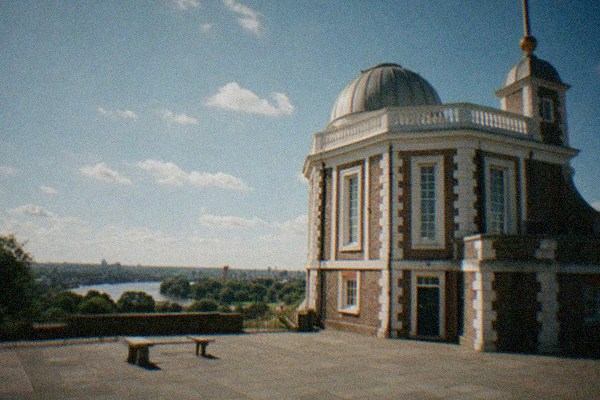
Greenwich · Astronomy and navigation history in Greenwich Park.
Home of Greenwich Mean Time and Prime Meridian with planetarium.
from $32.54per person, live price on the listing Check availability →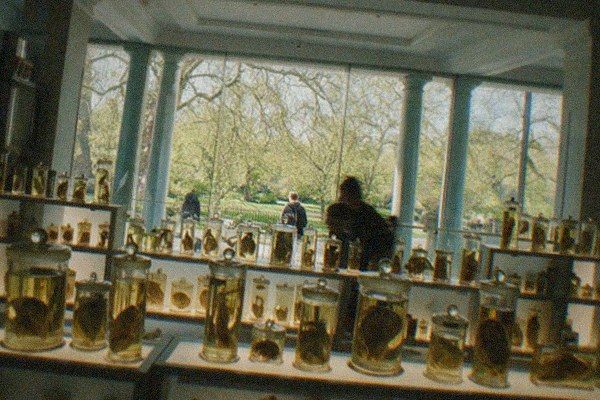
Lincoln's Inn Fields · John Hunter's 18th-century anatomical collection (reopened 2023).
Anatomical and surgical specimens collection at Royal College of Surgeons.
Free entry, no ticket needed.