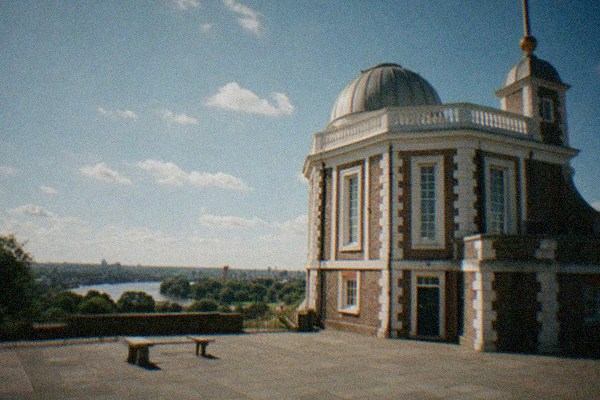
Royal Observatory
Greenwich · Astronomy and navigation history in Greenwich Park.
Home of Greenwich Mean Time and Prime Meridian with planetarium.
from $32.54per person, live price on the listing Check availability →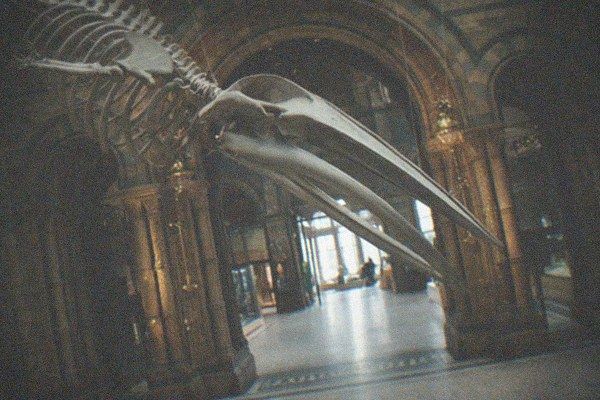
Free entry, no ticket needed.
Hope the blue whale skeleton in Hintze Hall
Plan your visit →Opens the museum's own visitor page. There is nothing to book: the permanent collection is free.
The Natural History Museum in South Kensington holds one of the world's great natural specimen collections, from dinosaur skeletons to meteorites. It suits families, first-time visitors and anyone with a passing interest in the natural world. Entry is free, which makes it one of London's most generous days out.
The centrepiece is Hintze Hall, where Hope the blue whale skeleton hangs from the ceiling, diving through the air above the entrance hall. Around her sit the museum's four colour-coded zones: red for Earth sciences, green for life and the environment, blue for biodiversity, and orange for the Darwin Centre and wildlife garden. Dinosaurs, mammals and minerals fill the galleries.
Most visitors come for the dinosaurs, and the collection does not disappoint. The Dinosaurs gallery in the Blue Zone mixes full skeletons, animatronic models and fossil touch specimens, and it is the single busiest gallery in the building. The queue forms early and moves slowly, so if dinosaur skeletons matter to you, make this gallery your first stop rather than your last. The T. rex animatronic alone can hold a crowd for twenty minutes.
The Mammals gallery in the Blue Zone is the other showstopper, led by the model blue whale that has greeted generations of visitors. The Red Zone takes you down into the Earth Hall escalator, through the Vault's minerals and gemstones, and into the earthquakes and volcanoes displays, where you can stand on a simulated Kobe grocery shop floor as it shakes. The green Zone houses the Creepy Crawlies gallery, the bird collections and the famous spiral staircase in the Waterhouse building, one of the most photographed interiors in London.
The building itself deserves attention. The terracotta facade on Cromwell Road, designed by Alfred Waterhouse, is decorated with carved animals and plants instead of the usual saints and gargoyles, a deliberate piece of Victorian storytelling. Inside, the ornamentation continues on the columns and arches. The museum publishes floor plans and a self-guided route on its own site at nhm.ac.uk, which is worth a look before you arrive because the place is genuinely enormous and easy to get lost in.
General entry is free to everyone, all year round, and you do not need a paid ticket to walk in. What costs money is the programme of special ticketed exhibitions and events, which changes through the year. For busy periods the museum recommends booking a free timed entry ticket in advance, which costs nothing and guarantees your slot.
The free entry route covers the permanent galleries: Hintze Hall and Hope, the dinosaurs, the mammals, the minerals in the Vault, the Earth Hall and everything else described above. Special exhibitions are separately ticketed, and prices vary by show. For those, check the current price on the museum's own site rather than relying on secondhand figures, because exhibition pricing shifts with each new programme.
A number of third-party resellers also sell entry products for the museum, with one major platform listing it from $6.77 USD per person. That figure is a platform from-price for an optional booking product, not the museum's own pricing, and it is not the same thing as a GBP door price. The same listing is rated 4.1 across 346 reviews, which tells you the buying experience is generally sound, but remember that the basic entry it bundles is free at the door. If you want help choosing a slot or bundling extras, that route is available through the booking panel on this page. If you just want to walk in, you can.
| Entry Route | What It Covers | Price |
|---|---|---|
| General admission | All permanent galleries, including dinosaurs and Hintze Hall | Free |
| Advance free entry ticket | Same galleries, with a guaranteed timed slot | Free, recommended at busy times |
| Special exhibitions and events | Temporary ticketed shows | Check the current price on the museum's own site |
| Children 0 to 3 | General entry and exhibitions | Free |
| Children 4 to 17 | Exhibition entry | Reduced rate, price on the museum's site |
Children under 4 go free into exhibitions, and 4 to 17 year olds pay a reduced exhibition rate. If you are visiting with a family in school holidays, the advance free ticket is genuinely worth securing: the queue for walk-up entry at peak times can stretch well past the Cromwell Road gates.
Allow half a day, roughly three to four hours, for a satisfying visit that covers the dinosaurs, Hintze Hall and one or two other zones. The museum sits on Cromwell Road in South Kensington, a short walk from South Kensington station. Entry is free, exhibitions are extra, and the nearest Tube connection puts you within easy reach of two other major museums.
| Detail | Information |
|---|---|
| Opening hours | On the museum's site |
| Closed days | On the museum's site |
| Time to allow | 3 to 4 hours for the highlights |
| Nearest station | South Kensington (Tube), short walk via the pedestrian tunnel |
| Address | Cromwell Road, South Kensington, London |
| General entry | Free, no ticket needed |
| Special exhibitions | Paid separately, price on the museum's site |
| Official site | nhm.ac.uk |
The half-day figure is a floor, not a ceiling. Families with dinosaur-mad children routinely spend a full day here because the building rewards wandering, and the cafe queues plus the gift shops absorb time too. If your visit is a quick stop between other South Kensington plans, two hours is enough for Hintze Hall, the Dinosaurs gallery and a fast pass through the Mammals gallery, but you will leave plenty unseen.
Full opening hours and any scheduled closure days are published on the official site and change occasionally, so confirm them for your date before travelling. The museum is one of London's most visited attractions and behaves like one at peak times, so treat published hours as a starting point rather than the whole picture.
The museum sits on Cromwell Road in South Kensington, postcode district in west central London, at coordinates 51.49651, -0.176. South Kensington is the nearest Tube station, served by the Piccadilly, Circle and District lines, and it connects to the museum through a pedestrian tunnel that brings you out almost at the doors. Plan around the tunnel at rush hour, when it is busy.
The pedestrian tunnel from South Kensington station is the best approach in bad weather because it keeps you underground almost the whole way, and it also serves the Science Museum and the Victoria and Albert Museum on the same stretch. Buses along Cromwell Road and Exhibition Road stop close to the main entrance. If you are driving, street parking in South Kensington is scarce and controlled, and the museum does not offer its own car park, so public transport is the practical answer.
Accessibility is well handled. Step-free access is available at the Cromwell Road entrance, lifts connect the galleries across the different levels, and wheelchair spaces in the atrium and lecture theatres exist for events. The museum publishes a full accessibility guide on its own site covering hearing loops, assistance dogs, quiet openings and changing facilities, and it is worth reading before a visit with specific needs. Large print and audio guides are also offered for some exhibitions.
On bags and security, the museum operates airport-style bag checks at entry, so pack light and expect a short delay at the doors. Large suitcases and bulky items are best avoided entirely, as storage is limited and the cloakroom fills at peak times. Photography without flash is generally fine in the permanent galleries. Food and drink are restricted to the cafes, of which there are several, and the main one off Hintze Hall gets very congested at midday, so eating early or late shortens your wait considerably.
Weekday mornings outside school holidays are the quietest times to visit, and the first hour after opening is when you can see the dinosaurs without shoulder-to-shoulder crowding. Weekends and school holidays bring heavy queues for both walk-up entry and the Dinosaurs gallery, which is why the museum recommends the free advance entry ticket for busy periods.
The rhythm of a good visit matters here more than at most museums because the crowds move in predictable waves. Arrive before opening, go straight to the Dinosaurs gallery while everyone else is still in Hintze Hall taking photographs of Hope, then double back to the mammals and the Earth Hall once the morning crush disperses toward lunchtime. Late afternoon is the second quiet window, as families with tired children head home, and exhibition entry in the last two hours of the day is often the calmest experience available.
Seasonally, the museum runs its paid programme of special exhibitions and events throughout the year, and these change the character of a visit. A winter visit with a ticketed exhibition feels different from a summer one spent entirely in the free galleries. Check what is currently showing on the official site before you decide whether a paid ticket adds anything for you, because the permanent collection alone is more than most visitors can absorb in one day.
One practical sequencing note: because entry is free and untimed in principle, some visitors plan a split day, doing the museum in the morning, lunching in South Kensington, and returning for an exhibition in the afternoon. That works, but only with an advance ticket or a tolerance for re-queuing at peak times. If you are pairing the museum with other South Kensington sights in a single day, pick either the Science Museum or the Victoria and Albert Museum as your second stop rather than attempting both.
The museum sits in London's museum quarter, with the Science Museum and the Victoria and Albert Museum on the same stretch of roads, both within a ten minute walk. Hyde Park and the Royal Albert Hall sit just to the north, so a full South Kensington day is easy to build. Further afield but thematically linked, the Royal Observatory in Greenwich makes a strong second-day companion.
The Science Museum next door is the obvious family pairing, with interactive galleries aimed squarely at children, and it is close enough that you can walk between the two in five minutes. The Victoria and Albert Museum, on the opposite side of Exhibition Road, suits adults who want decorative arts and design after a morning of dinosaurs, and its courtyard cafe is one of the nicest lunch spots in the area. Both are on our directory, as is the Royal Observatory Greenwich, which covers the astronomy side of the natural sciences story and sits in Greenwich Park with the meridian line.
If you would rather stay outside, the museum's own Wildlife Garden is a small green space behind the building that most visitors never find, and Hyde Park and Kensington Gardens are a short walk north. Kensington Palace sits inside those gardens for anyone wanting a royal stop. For eating, South Kensington's restaurants cluster around Gloucester Road and the Old Brompton Road, a ten minute walk, and they are noticeably better value than the museum cafes.
A sensible full-day plan for a family: museum at opening, Dinosaurs gallery first, mammals second, early lunch, Science Museum for the afternoon. For an adult pair: Natural History Museum in the morning, the V&A after lunch, drinks on Gloucester Road. Either way, the free entry means you can leave and come back without feeling you have wasted money, which is a freedom few major London attractions offer.
Yes. General entry to the permanent galleries is free to everyone, all year round, and no paid ticket is needed. What costs money is the programme of special ticketed exhibitions and events, which is priced separately and varies by show.
You do not need a paid ticket, but the museum recommends a free advance entry ticket for busy periods such as school holidays and weekends. It costs nothing and guarantees a timed slot, which spares you the walk-up queue at peak times.
General admission is free. Third-party platforms list the museum from $6.77 USD per person, but that is a platform from-price for an optional booking product, not the museum's GBP door price. For special exhibitions, check the current price on the museum's own site.
Its hallmark is Hope the blue whale skeleton, which hangs in Hintze Hall above the main entrance. Beyond that, it is famous for its dinosaur skeletons, the Mammals gallery, and the mineral collections in the Vault.
Roughly three to four hours covers the highlights, including Hintze Hall, the Dinosaurs gallery and one or two other zones. Families often stay a full day, while a quick two-hour stop is possible but leaves much of the building unseen.
South Kensington, served by the Piccadilly, Circle and District lines. A pedestrian tunnel runs from the station almost to the museum doors on Cromwell Road, keeping you dry in bad weather, and it also serves the Science Museum and the V&A.
Children aged 0 to 3 go free, and children aged 4 to 17 pay a reduced rate for special exhibitions. General entry is free for all ages regardless, so families only pay if they choose a ticketed exhibition.
Weekday mornings outside school holidays are quietest, especially the first hour after opening. Go straight to the Dinosaurs gallery while crowds linger in Hintze Hall, and avoid weekends and school holidays unless you have booked a free advance entry ticket.
Greenwich · Astronomy and navigation history in Greenwich Park.
Home of Greenwich Mean Time and Prime Meridian with planetarium.
from $32.54per person, live price on the listing Check availability →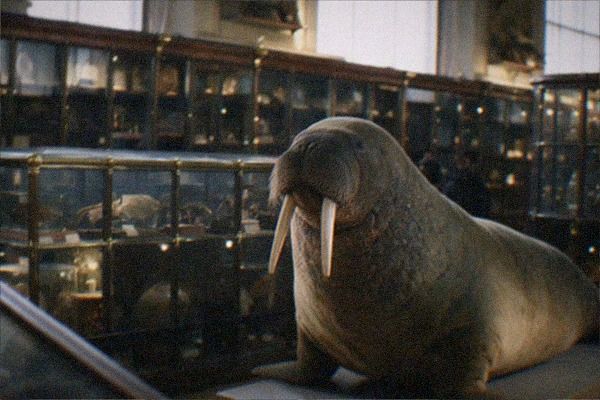
Forest Hill, London Road · Aquarium and gardens
Natural history, anthropology, and music collections with gardens.
Free entry, no ticket needed.
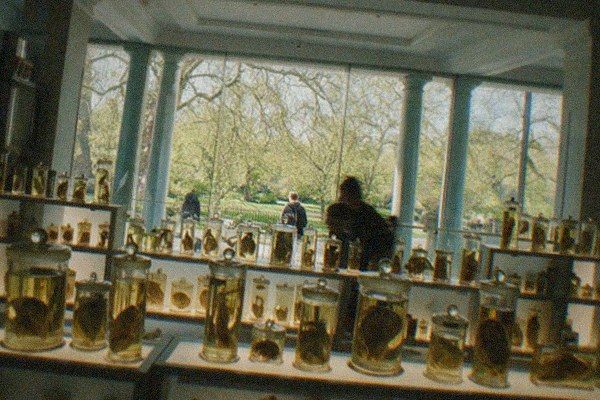
Lincoln's Inn Fields · John Hunter's 18th-century anatomical collection (reopened 2023).
Anatomical and surgical specimens collection at Royal College of Surgeons.
Free entry, no ticket needed.