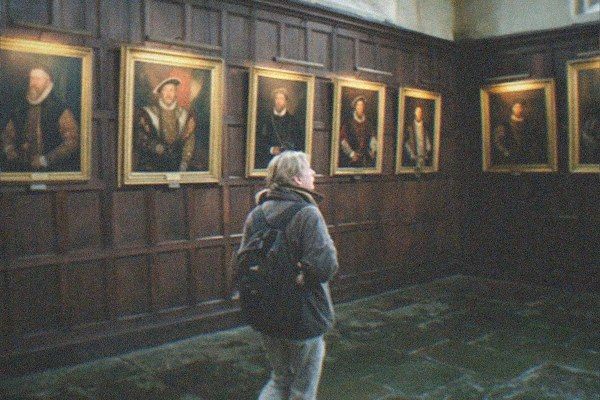
National Portrait Gallery
Westminster, St Martin's Place · Tudor portraits
Portraits of historically important and famous British people.
Free entry, no ticket needed.
Free entry, no ticket needed.
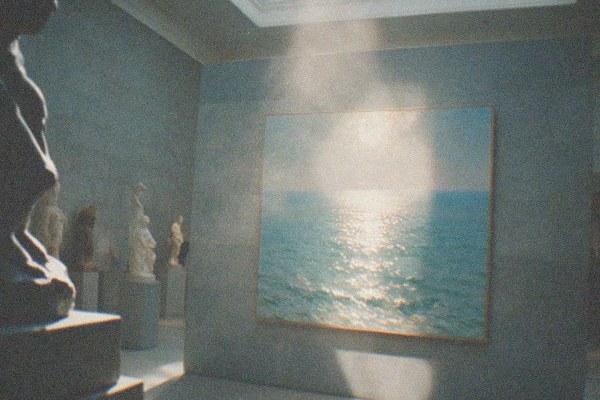
Turner collection in the Clore Gallery
Plan your visit →Opens the museum's own visitor page. There is nothing to book: the permanent collection is free.
Tate Britain is the national gallery of British art, holding work from 1500 to the present, with the Turner collection as its centrepiece. It suits anyone who wants a serious art museum without paying a penny. Entry is free to all, year round. Only the big temporary exhibitions carry a charge.
Tate Britain displays British art from 1500 to the present across a chronological sweep, and its centrepiece is the Turner collection, shown in the Clore Gallery. Paintings, sculpture and works on paper span four centuries, hung so you can walk British art forwards or backwards in time.
The Turner material is what most people come for, and with reason. Joseph Mallord William Turner left the nation roughly 300 oil paintings and around 30,000 works on paper, and the Clore Gallery, a purpose-built wing opened in 1987 to house them, is where a rotating selection is displayed. The oils are on permanent show; the watercolours and sketchbooks are light-sensitive and change in batches, which means repeat visits see different things. Standing in front of the late canvases, near-abstract swirls of light and weather painted decades before Impressionism, you understand why this single artist justified a whole wing.
Beyond Turner, the gallery walks you through the story of British art in broadly chronological order. The Duveen Galleries, a grand sculpture hall running down the middle of the building, host contemporary commissions, so an ancient-seeming enfilade can contain something built last month. The main collection rooms move from Tudor portraits, stiff with status symbols, through Hogarth's London satires, the Constable and Gainsborough landscapes, the Pre-Raphaelites at their most jewel-bright, on into the twentieth century with Bacon, Freud, Hockney and the Turner Prize lineage. The annual Turner Prize show itself is held here, typically in the autumn, and is included in your free entry.
The building deserves attention too. The Sidney Smith facade on Millbank, with its grand portico and stone lions, dates from 1897, and the long AXA and Clore wings have been stitched on since. The Duveen sculpture galleries were the first in Britain purpose-built for sculpture. There is a lot of marble. The effect is stately rather than forbidding, and the ground-floor layout is simple enough to follow without a map, though the lifts and stairs to the Clore Gallery are at the rear of the building, so allow a few minutes of walking.
Who does it suit? Anyone with even a passing interest in painting, and particularly anyone curious about how a national school of art developed. Who it does not suit: visitors chasing international masters such as Monet, Van Gogh or Leonardo. For those, the National Gallery on Trafalgar Square is the better fit, and the Courtauld Gallery holds the Impressionists properly.
Entry to Tate Britain is free to everyone, all year, with no ticket needed for the collection. Walk in, hang up your coat if you like, and go up the stairs. The only paid element is the temporary exhibitions, which charge per show, and which you can book in advance or skip entirely.
That free entry covers the whole permanent collection: the Turner displays in the Clore Gallery, the Duveen sculpture commissions, the chronological walk from Tudor portraits to the present, the Prints and Drawings room where you can ask to see works on paper, and the Turner Prize exhibition when it is on. It also covers the regular programme of free displays that rotate through the year, and the open-ended art Now commissions. Nothing about the free route is a taster or a teaser. You could spend an entire day and pay nothing at all.
The temporary exhibitions are the one exception. These are the big, ticketed shows, often a single artist or theme, held in the east galleries, and they charge admission. Check the current price on the museum's own site, because exhibition pricing varies by show and by season. The official listing for what is booking now is at shop.tate.org.uk/exhibitions/now-booking. Under-16s go free to exhibitions, and concessions are available; again, the exact terms sit on that page. Booking a slot for an exhibition spares you the queue, but the collection never needs a booking at any time of year.
| Item | Cost | Notes |
|---|---|---|
| Permanent collection entry | Free | No ticket needed, year round |
| Turner collection, Clore Gallery | Free | Included in collection entry |
| Temporary exhibitions | Paid, on the museum's site | Price varies by show |
| Children at exhibitions | Under-16s free | Concessions also available |
| Booking for the collection | Not required | Walk in at any point |
| Turner Prize exhibition | Free | When on, included in entry |
A word on how the paid side works, because it confuses people. Tate Britain and Tate Modern are two separate buildings on opposite ends of a river route. Both are free for their collections, and both charge for their big exhibitions separately. A ticket to an exhibition at one does not cover the other, and neither does a collection visit cover the exhibitions. If you only want the free stuff, there is genuinely nothing to pay at the door, at the desk, or anywhere else beyond the shop and the cafe.
Allow two hours for the highlights: the Clore Gallery Turner rooms plus a fast pass through the chronological collection. Allow half a day if you want to read, linger, and take in the Duveen commissions. For the collection alone, first thing in the morning on a weekday is the quietest slot.
The gallery is big, roughly twenty rooms of collection on the main floor plus the Clore wing, but it compresses well. Two hours is enough for the Turner oils, a look at Constable, the Pre-Raphaelite rooms, and one or two contemporary spaces, walking out through the Duveen galleries. If you are the sort of visitor who reads wall texts and sits in front of paintings, plan four hours, and add an hour for each ticketed exhibition you have booked. Unlike some London galleries, this one rewards slow looking more than fast ticking, because the hang tells a story and the story is more interesting when you follow it.
Timing matters less here than at the bigger tourist stops, but it still matters. Weekday mornings are calm. Weekday afternoons pick up with school groups in term time, and weekends are busy, especially wet weekends, when the free entry makes this an obvious shelter. The gallery is open daily, and the exact hours are on the museum's site; do not rely on remembered closing times, because they shift around holiday periods. One structural point in your favour: because entry is unticketed, there is rarely an entry queue at all. The only line you will meet is for a popular exhibition, and even that moves quickly off-peak.
Seasonally, the Turner Prize exhibition gives the autumn months an extra pull, and the BP Walk-through British Art displays mean there is always something new rotating in. Late openings, when they run, are worth checking on the Tate's own site, as they are not continuous through the year. If your day pairs this museum with another, mornings here and afternoons elsewhere works well, since the riverside walk to your second stop makes a decent break between them.
| At A Glance | Detail |
|---|---|
| Opening hours | On the museum's site |
| Days closed | On the museum's site |
| Suggested visit length | 2 hours minimum, half a day unhurried |
| Nearest station | Pimlico (Victoria line), a short walk |
| Collection entry | Free, no ticket |
| Address | Millbank, Millbank, SW1P 4RG |
| Coordinates | 51.49112, -0.12782 |
Tate Britain sits on Millbank by the Thames, and the nearest Underground station is Pimlico on the Victoria line, about a ten-minute walk away. Westminster and Vauxhall are also walkable. The building has step-free routes, lifts to all floors, accessible toilets, and a main entrance with level access from the forecourt.
Pimlico is the practical answer for most visitors: exit the station, walk south, and the gallery's classical portico appears at the end of Millbank. From Westminster, the walk along the river takes around fifteen minutes and passes the Houses of Parliament, which makes for a scenic approach if you are coming from that direction. Several buses stop on Millbank itself. If you are driving, note that parking in Westminster is limited and expensive, and the museum does not have a public car park, so public transport is the sensible plan. Cyclists can find stands near the entrance.
Accessibility is well handled. Lifts serve every floor, wheelchairs are available to borrow at the entrance, and assistance dogs are welcome throughout. The gallery runs described tours and audio description for blind and partially sighted visitors, and British Sign Language events on selected dates; these are listed on the museum's own site. Large-print and other interpretive materials can be picked up inside. If you have specific access needs, the museum's site carries a contact route and it is worth checking the details there before a long trip, as facilities and programmes do change.
On practicalities: large bags and luggage are best avoided, since the cloakroom has limited space and large suitcases may be refused, especially at busy times. Small day bags are fine to carry. Photography without flash is generally permitted in the collection. There is a cafe and a restaurant for refreshments, both paid, and the shop, which is where the gallery makes a good share of its money, so budget for that only if you want to. Food and drink beyond what is bought on site should not be consumed in the galleries. Fold-up pushchairs are admitted, and the building is genuinely workable with small children, not a place where you spend the visit apologising.
The strongest pairing is Tate Modern, which sits a 45-minute riverside walk away and is reached from here by boat along the Thames. Beyond that, Westminster's sights are fifteen minutes east, and the National Gallery is a short Underground hop from Pimlico or Westminster. Budget half a day for Tate Britain itself plus travel time.
Tate Modern is the obvious partner, and the connection is built into the experience. A dedicated boat service runs between the two galleries along the river, or you can walk the whole stretch past the Thames path, MI5's building, and some of the best river views in London. Visiting both on the same day gives you a strange and rather satisfying perspective shift: four centuries of British art in a Victorian classical building, then the international modern canon in a converted power station, and the free-entry rule holds at both. Be realistic about stamina, though. Doing both galleries properly in one day is a lot of standing, and most people enjoy the second one more if the first one was short.
In the other direction, Westminster and St James's are close enough to fold into the same afternoon. From the gallery, a walk along Millbank passes the Houses of Parliament and Westminster Abbey, both viewable from outside for free, before you reach St James's Park for a rest. If you want more art rather than pageantry, the National Gallery holds the European old masters, entry to its collection is free too, and Pimlico to Charing Cross by Tube is quick. The Courtauld Gallery at Somerset House is a further option, small enough to absorb in ninety minutes and famous for its Impressionist and Post-Impressionist paintings.
For something louder and more contemporary, the Moco Museum offers modern and street-adjacent art with a very different energy from Millbank's marble halls, though unlike Tate Britain it charges for general entry. Closer to home, the riverside stretch around the gallery itself is pleasant for a decompression walk, and the strip of Victoria between the station and the gallery has pubs and cheap food options for a post-visit sit-down. If you are building a full free-art day, the practical sequence is Tate Britain in the morning, the river path or boat at midday, and Tate Modern in the afternoon, keeping the National Gallery for a separate trip so nothing gets rushed.
Yes, and the value question barely arises: entry is free to all, all year, and the paid exhibitions are optional add-ons. For a museum of this scale and national standing, charging nothing for the collection makes it one of the best free afternoons in London, provided you actually like looking at paintings.
Be honest with yourself about fit, though. Tate Britain is a painting-heavy, history-heavy museum with a quiet, studious atmosphere. It rewards attention. Visitors who want spectacle, interaction or blockbuster scale will find the permanent rooms contemplative, and the building, while beautiful, does not have the theatrical wow of Tate Modern's turbine hall. Families with young children manage fine in short bursts, particularly in the Duveen galleries where there is room to breathe, but this is not a hands-on museum, and toddlers will get more out of a different kind of day.
For art lovers, students, and anyone with a specific interest in Turner, this museum is close to essential. The Clore Gallery is the single best place in the world to understand what Turner was doing, in a dedicated wing built for the purpose, and the fact that it costs nothing still feels like a generous anomaly in a city where most major attractions now charge twenty or thirty pounds at the door. Add the free Prints and Drawings room, where staff will bring out works you request to see, and you have a museum that keeps giving across repeat visits without ever sending you to a checkout page.
The paid exhibitions deserve a fair hearing too. They are not a tourist trap; they are how the gallery funds the free collection, and the shows are typically major, scholarly and worth the money. If one of them intersects with your interests, book on the official exhibitions page, pay the listed price, and see it first before your legs tire. If nothing appeals, skip it without guilt. The free collection is the destination, and it has been holding that position on Millbank for well over a century.
One last practical note: because nothing needs booking and nothing needs paying, this is the ideal flexible stop on a London itinerary. Rained off your park plans? Come here. An hour to kill before a meeting in Westminster? Come here. That spontaneity, combined with genuine world-class content, is the quiet argument for putting Tate Britain on any London list, especially a budget one.
Yes. Entry to Tate Britain is free to everyone, all year round, and no ticket is needed for the collection. You walk straight in. The only paid element is the temporary exhibitions, which charge per show, and those are entirely optional if you only want the permanent collection and the Turner galleries.
No booking is required for the permanent collection, which includes the Turner collection in the Clore Gallery. Booking only matters for the big temporary exhibitions, where a paid ticket reserves a slot. Check the current price and availability on the museum's own site for whichever show is running.
It is best known for the Turner collection, displayed in the purpose-built Clore Gallery. Around 300 oil paintings and tens of thousands of works on paper were left to the nation, and a rotating selection is always on show. The wider collection covers British art from 1500 to the present.
Exhibition pricing varies by show, so check the current price on the museum's own site rather than relying on old figures. Under-16s go free to exhibitions and concessions are available. The collection itself remains free regardless of what exhibition is running at the time.
Allow around two hours for the highlights, meaning the Turner rooms plus a brisk pass through the chronological collection. A half day suits visitors who linger, read wall texts, and take in the Duveen sculpture commissions. Add extra time for any paid exhibition you have booked.
Pimlico, on the Victoria line, is the nearest Underground station and is roughly a ten-minute walk away. Westminster and Vauxhall are also within walking distance. The gallery's address is Millbank, Millbank, and it sits directly on the Thames riverside path.
Children go free: under-16s enter the collection without paying and are admitted free to exhibitions too. The building is workable with pushchairs, and the spacious Duveen galleries give room to move. It is a looking museum rather than a hands-on one, so short visits work best with young kids.
Yes, and the river connects them. A boat service runs between the two galleries, or you can walk the riverside path in around 45 minutes. Both are free for their collections. Doing both in one day is a lot of standing, so keep the first visit short if you want to enjoy the second.
Westminster, St Martin's Place · Tudor portraits
Portraits of historically important and famous British people.
Free entry, no ticket needed.
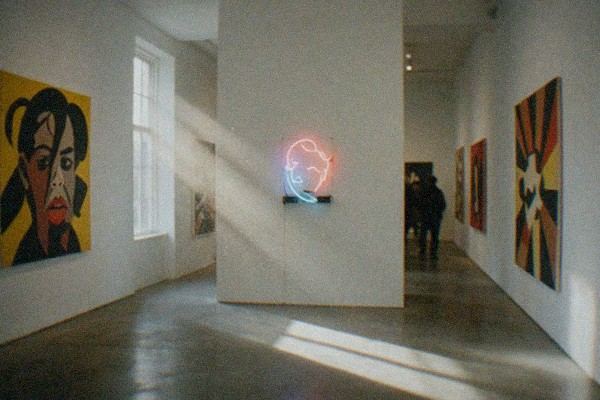
Marble Arch · Immersive digital and street art experiences.
Modern and contemporary art with Banksy, Basquiat, Warhol, Kusama.
from $31.02per person, live price on the listing Check availability →
Somerset House · Manet, Monet, Van Gogh, and Gauguin masterpieces.
Impressionist and Post-Impressionist art in Somerset House.
from $18.97per person, live price on the listing Check availability →